

If humankind is to explore deep space, one small passenger should not be left behind: microbes. These microorganisms, which naturally inhabit our bodies, surfaces, and food, are crucial for understanding how life reacts to space conditions. Moreover, they could become invaluable allies in our quest to explore the cosmos.
Researchers from Cornell University and the University of Edinburgh have discovered that certain microbes can harvest essential minerals from rocks, offering a sustainable alternative to transporting resources from Earth. Their groundbreaking experiment aboard the International Space Station (ISS) revealed that “biomining” fungi are particularly effective at extracting palladium, a valuable metal, from meteorites in microgravity.
Biomining in Space: A New Frontier
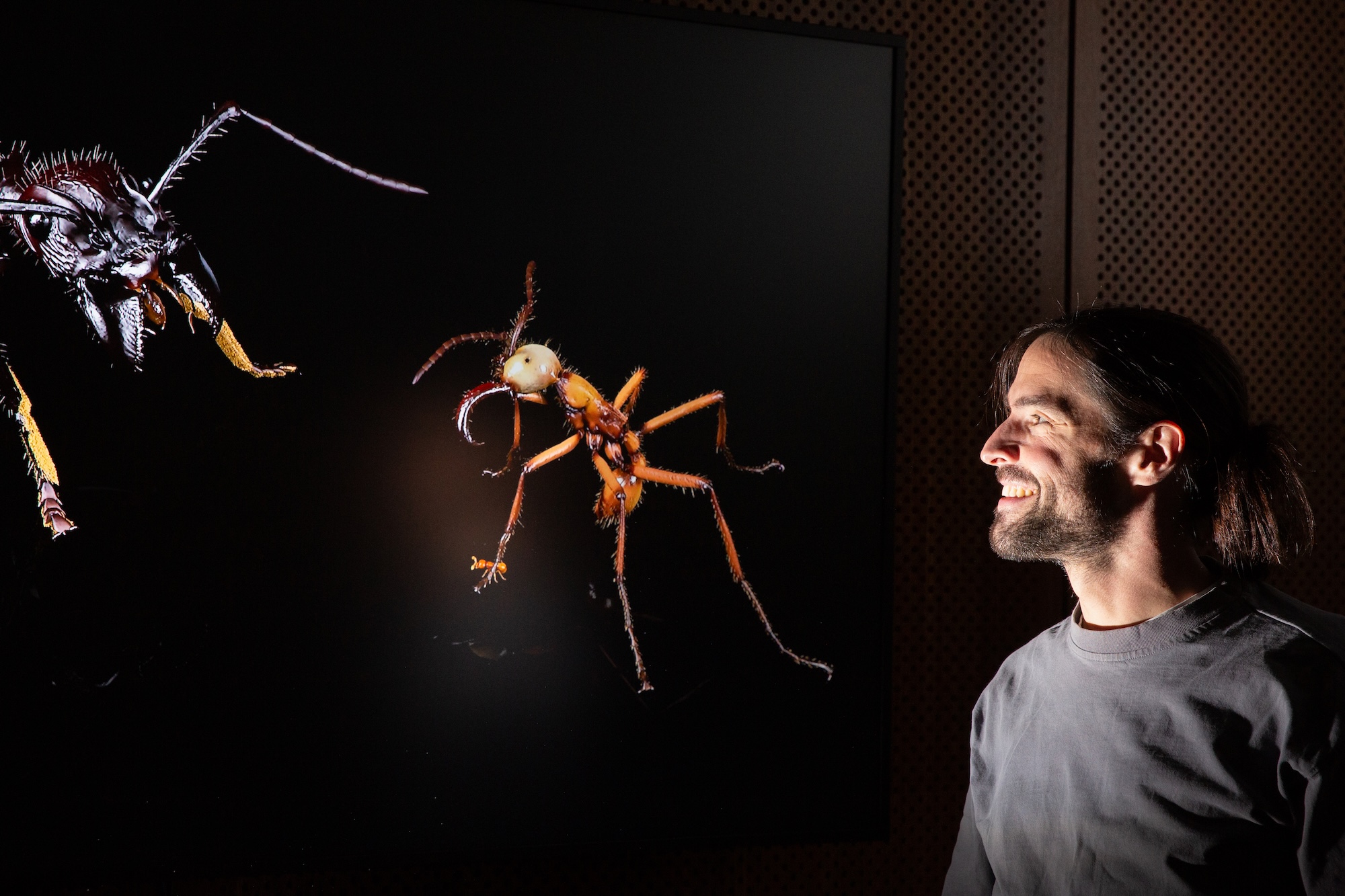
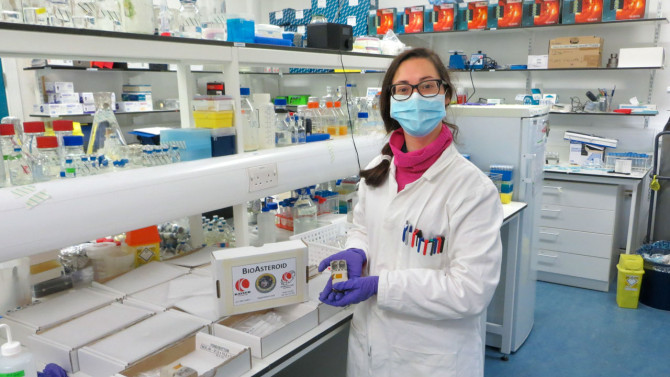
The study, published on January 30 in npj Microgravity, was led by Rosa Santomartino, an assistant professor of biological and environmental engineering at Cornell, and Alessandro Stirpe, a research associate in microbiology. The BioAsteroid project, spearheaded by Charles Cockell, professor of astrobiology at the University of Edinburgh, aimed to understand how microbes interact with rocks in the unique environment of space.
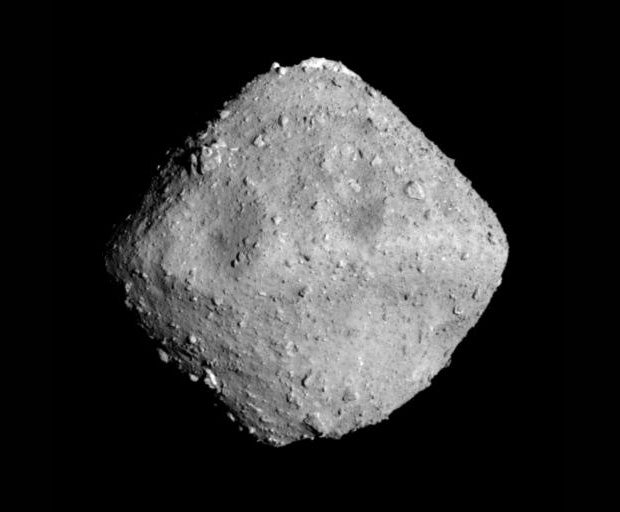
Using the bacterium Sphingomonas desiccabilis and the fungus Penicillium simplicissimum, researchers sought to extract elements from L-chondrite asteroidal material. Santomartino explained, “This is probably the first experiment of its kind on the International Space Station on meteorite. We wanted to understand how and what these microbes extract, but keep the results relevant for a broader perspective.”
Microbial Mechanics in Microgravity
Microbes are promising tools for resource extraction due to their ability to produce carboxylic acids, which attach to minerals and facilitate their release. However, many questions remain about this mechanism’s function in space. The research team conducted a metabolomic analysis, examining biomolecules in the liquid culture from completed experiment samples.
NASA astronaut Michael Scott Hopkins performed the ISS experiment, testing microgravity, while researchers conducted a control version in the lab under terrestrial gravity. Santomartino and Stirpe analyzed data from 44 different elements, 18 of which were biologically extracted.
“We split the analysis to the single element, and we started to ask, OK, does the extraction behave differently in space compared to Earth? Are these elements more extracted when we have a bacterium or a fungus, or when we have both of them?” Stirpe noted.
Key Findings and Implications
The analysis revealed distinct changes in microbial metabolism in space, particularly for the fungus, which increased its production of carboxylic acids and enhanced the release of palladium, platinum, and other elements. Nonbiological leaching proved less effective in microgravity, while microbes maintained consistent results across both settings.
“The microbe doesn’t improve the extraction itself, but it keeps the extraction steady, regardless of the gravity condition,” Santomartino explained. This consistency was observed for various metals, although extraction rates varied depending on the metal, microbe, and gravity condition.
Future Prospects and Terrestrial Applications
Beyond aiding space exploration, this research could have significant terrestrial benefits, such as efficient biomining from resource-limited environments or mine waste, and developing sustainable biotechnologies for a circular economy. However, Santomartino cautions that a clear understanding of space’s impact on microbial species remains elusive due to numerous variables.
“Depending on the microbial species, space conditions, and methods used, everything changes,” Santomartino said. “Bacteria and fungi are diverse, and the space condition is complex. You cannot give a single answer. It’s very complex, and I like it.”
The research was supported by the United Kingdom Science and Technology Facilities Council, the Leverhulme Trust, the University of Edinburgh School of Physics and Astronomy, and Edinburgh-Rice Strategic Collaboration Awards. As scientists continue to explore the potential of microbes in space, the findings from this study could pave the way for new innovations in both space and Earth-based industries.