

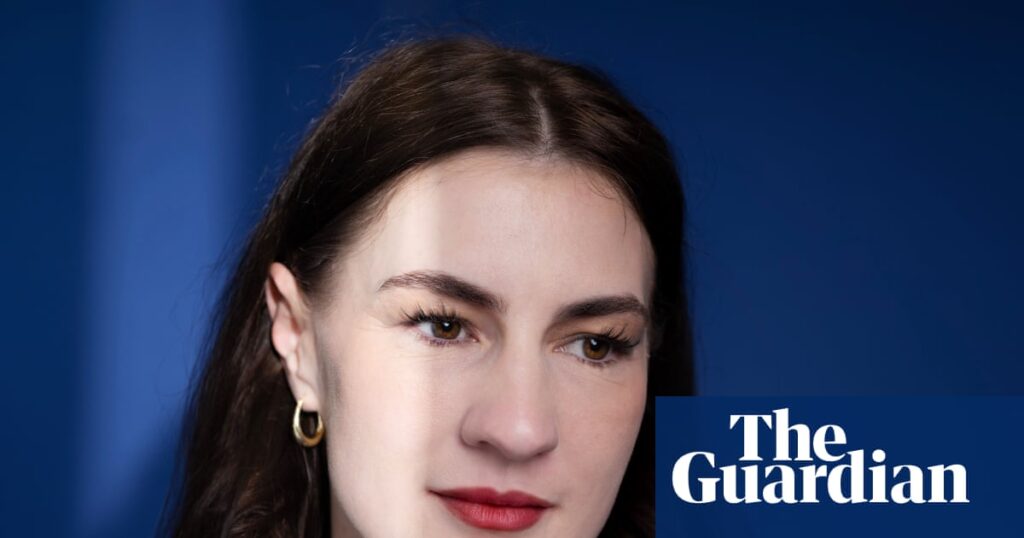
On September 9, 2022, journalist Lucia Osborne-Crowley embarked on a journey from London to Miami, eventually reaching West Palm Beach by bus. Her mission was to meet Carolyn Andriano, a key witness in the trial against Ghislaine Maxwell. Andriano, who was abused by Jeffrey Epstein and Maxwell from the age of 14, had become a crucial figure in exposing the sordid details of their operations.
During their meeting, Andriano revealed that a private investigator had recently visited her, probing her about a potential book. Osborne-Crowley herself encountered a similar figure, who offered her drugs and cash and attempted to assault her. This encounter was a stark reminder of the dangers faced by those seeking to uncover the truth about Epstein and Maxwell’s network.
The Ongoing Threats and Intimidation
Osborne-Crowley has been following the Epstein case for six years, authoring a book titled The Lasting Harm. Her experiences highlight the continued intimidation faced by survivors and journalists. In November 2025, 28 Epstein survivors released a statement detailing death threats they had received, urging for police protection.
With Epstein deceased and Maxwell imprisoned, questions linger about who continues to finance these intimidation efforts. “It could be any of the people who are not yet facing charges,” Osborne-Crowley speculates. The fear and threats are not isolated, as she recounts similar experiences among survivors in South Africa and the UK.
Shifting the Narrative
Osborne-Crowley’s frustration lies in the media’s focus on Epstein and Maxwell, often overshadowing the survivors’ stories. “This would never have happened if these women hadn’t campaigned for the US’s Epstein Files Transparency Act,” she asserts. The narrative frequently centers on the perpetrators’ psychology rather than the survivors’ resilience and agency.
Her book details the stories of several survivors, including Jane, Annie Farmer, and Liz Stein, each lured into Epstein’s web under false pretenses. These accounts reveal a consistent pattern of manipulation and exploitation, underscoring the need for a shift in how these stories are told.
Personal Battles and Professional Challenges
Osborne-Crowley’s personal history of trauma informs her work. A former gymnast, she experienced abuse and assault, leading to chronic health issues. Her memoir, I Choose Elena, explores the physical and emotional toll of her experiences. Covering Maxwell’s trial became a way to channel her understanding into meaningful journalism.
Despite the challenges, she remains committed to her work, drawing strength from the survivors she has befriended. “It’s hard to overstate the role that Jess and Liz played,” she acknowledges, emphasizing the importance of community in her journey.
Legal Battles and Future Implications
Maxwell’s legal team has repeatedly attempted to overturn her conviction, citing Osborne-Crowley’s interview with a juror as grounds for a retrial. However, these efforts have been unsuccessful. “A retrial would be saying a sex abuse victim can never serve on an impartial jury,” ruled Judge Alison Nathan.
Osborne-Crowley reflects on the broader implications of the Epstein-Maxwell case. The network’s extensive reach often blurs the line between fact and conspiracy, complicating public perception. Yet, she insists on the importance of acknowledging the victims’ experiences and the systemic failures that allowed such abuse to persist.
A Call for Accountability
Despite the challenges, Osborne-Crowley remains hopeful. The Epstein survivors continue to push for accountability and transparency, advocating for the release of more files. “They are very motivated, because they can see that it’s working,” she notes, highlighting their recent success in influencing legislation.
As the fight for justice continues, Osborne-Crowley emphasizes the need for a broader understanding of grooming and abuse. “It’s not just about the most powerful people in the world,” she says. “It’s about the people who are the most powerful in your neighborhood, your school.”
Support is available for those affected by these issues. In the UK, the NSPCC offers support for children and adults concerned about a child. In the US, Childhelp provides assistance, and in Australia, various organizations offer support for survivors. These resources are crucial for those seeking help and healing.