

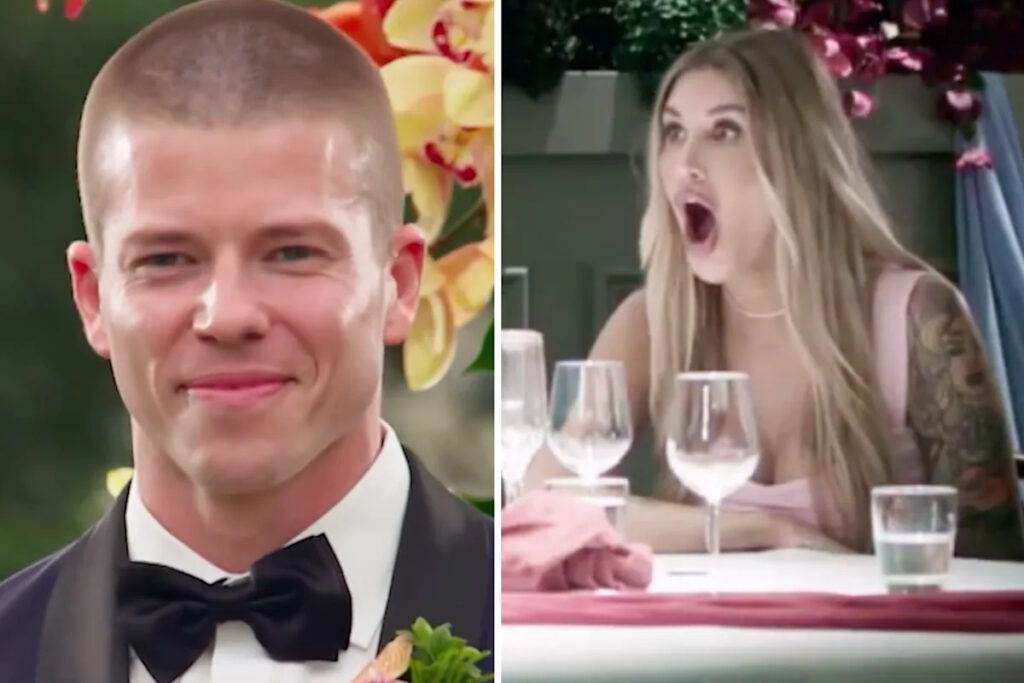
Channel 9 is currently navigating a storm of viewer outrage as it continues to air controversial moments from the 2026 season of Married At First Sight (MAFS). The network has been disabling comments on certain provocative clips shared on social media, a move that has sparked further backlash from the audience.
The decision to limit viewer interaction follows a series of incendiary episodes since the season’s debut earlier this month. According to Dr. Jennifer Beckett, a social media governance expert and lecturer at the University of Melbourne, this tactic is increasingly common among broadcasters to manage legal risks.
“Turning the comments off can be quite a controversial move because people feel like you’re censoring them, but I wish more Australians actually knew the legal requirements of the job,” Dr. Beckett explained.
Legal Precedents and Network Responsibility
This development follows the landmark Dylan Voller case, where major news publishers were sued for defamation over comments made by users on their social media platforms. The high court ruling established that organizations could be held liable for third-party comments, thereby prompting networks like Channel 9 to adopt stricter social media management practices.
Dr. Beckett noted that the volume of comments on Channel 9’s posts is likely overwhelming for their moderators, making the decision to disable comments a practical one from a legal standpoint.
“The volume of comments that Channel 9 is probably getting is too much for their moderators to handle,” she told Yahoo Lifestyle. “So, from a legal perspective, that’s the simplest thing to do, turn your comments off. It reduces your risk exposure.”
Viewer Reactions and Social Media Strategy
Channel 9’s approach has not gone unnoticed by the MAFS audience. A review of the show’s Instagram page revealed that comments were disabled on 20 out of 138 posts this season, particularly those featuring contentious discussions or behaviors.
One such post involved a heated exchange between Queensland couple Tyson Gordon and Stephanie Marshall, where Tyson’s remarks about women’s sexual histories sparked significant backlash. Viewers have since taken to other posts to voice their discontent, questioning the network’s motives.
“Stop turning off comments on posts you know are designed to provoke outrage,” one fan commented. “If rage baiting isn’t the goal, why silence the public response when it works?”
Network’s Duty of Care
Channel 9’s decision to limit comments is also tied to its responsibility towards both the show’s participants and its social media managers. Dr. Beckett emphasized the importance of protecting the mental health of those tasked with moderating online content.
“You have a duty of care towards the people who are in the shows that you’re promoting, because these are very real people, but you also have a duty of care to the people who are moderating that content,” she stated.
She further explained that social media moderators face a complex array of challenges, from filtering out defamatory comments to dealing with spam and unlawful content. This multifaceted role requires a deep understanding of various legislative frameworks, including the Online Safety Act 2021 and the Criminal Code 1995 (Cth).
Implications for the Future
As Channel 9 continues to navigate this contentious terrain, the broader implications for social media governance in the broadcasting industry remain significant. The network’s actions highlight the ongoing tension between engaging audiences and managing legal and ethical responsibilities.
Looking ahead, the situation underscores the need for broadcasters to develop more nuanced strategies that balance viewer interaction with the protection of all parties involved. As the digital landscape evolves, so too must the approaches to managing the complex dynamics of online engagement.