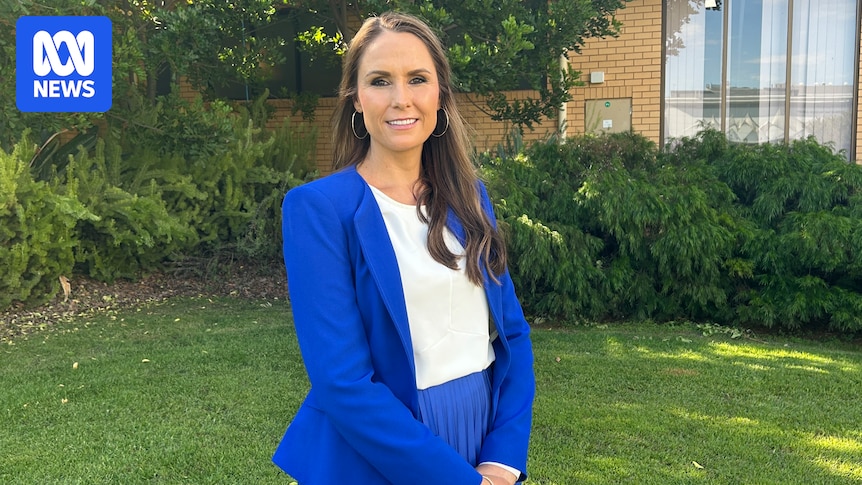





The upcoming byelection in Farrer, triggered by the departure of former opposition leader Sussan Ley, is shaping up to be a pivotal moment in Australian politics. Independent federal MP Helen Haines has expressed concern that the contest may boil down to a two-horse race between community independent candidate Michelle Milthorpe and One Nation. This potential outcome, she argues, could have significant repercussions for the political landscape.
Haines, whose electorate of Indi borders Farrer, is particularly uneasy about One Nation’s rising influence. She attributes this to what she describes as the Coalition’s transformation into a “laughing stock” since the last election. Despite these concerns, Haines holds out hope for Milthorpe, who has been actively engaging with the electorate since securing a 20% primary vote against Ley last May.
Community Dynamics and Political Shifts
Michelle Milthorpe’s candidacy is notable for her deep roots in the community, particularly through her work as a teacher for disabled children. Her success in winning every booth in Albury last May underscores her strong local support. Milthorpe and Haines are confident that regional voters will reject Pauline Hanson’s anti-immigration rhetoric, recognizing the vital role migrants play in sustaining local economies.
Smart Liberals share this view, understanding that labeling rural voters as uniformly conservative is a misjudgment. They acknowledge that while Hanson attracts a diverse following, her appeal largely stems from widespread disenchantment with major parties, including Labor, which is unlikely to field a candidate in the byelection.
The Strategic Calculations of Major Parties
The absence of a Labor candidate could inadvertently benefit Milthorpe by consolidating primary votes in her favor. However, the decision is fraught with complexity, as some senior Labor figures argue for a candidate to highlight the risks of One Nation’s ascendancy. The timing of the byelection, potentially set for May 2 or May 9, adds another layer of strategic consideration, coinciding with the lead-up to the federal budget.
Labor’s awareness of One Nation’s encroachment on its voter base has intensified since the 2022 election. The upcoming budget on May 12 presents an opportunity for the Albanese government to assert its agenda and counteract this trend. The government’s challenge is to leverage its majority effectively, with the budget serving as a potential catalyst for economic revitalization and political re-engagement.
Public Sentiment and Political Realities
Recent opinion polls, such as the Redbridge survey in The Australian Financial Review, highlight the growing challenge faced by traditional parties. One Nation’s lead over the Liberal Party and its proximity to Labor’s primary vote reflect a broader dissatisfaction with the political status quo. The survey revealed that over 20% of One Nation’s supporters are motivated by a dislike of major parties, with immigration and leadership preferences also playing significant roles.
More than one in five of the 28% of voters intending to put One Nation first said it was because they “disliked all major political parties”.
The potential loss of Farrer to an independent would be a setback for the Liberals, but a One Nation victory could have far-reaching consequences for the party and the country. Liberals are urged to prioritize defeating One Nation, rather than emulating its policies, to avoid legitimizing its platform.
Historical Context and Future Implications
The debate over One Nation’s influence is not new. Former Prime Minister John Howard’s initial reluctance to condemn Pauline Hanson in the late 1990s eventually gave way to a strategic decision to preference One Nation last, a move advocated by his deputy, Peter Costello. This historical precedent underscores the importance of strategic positioning in the current political climate.
As the byelection approaches, the decisions made by major parties will have lasting implications. The outcome in Farrer could signal a shift in voter sentiment and influence the broader political discourse. For the Liberals, the challenge is to navigate these dynamics without compromising their core values or alienating potential supporters.
Ultimately, the Farrer byelection represents more than a local contest; it is a microcosm of the broader challenges facing Australian politics. The decisions made in the coming weeks will not only shape the immediate electoral outcome but also set the tone for future political engagements across the country.