




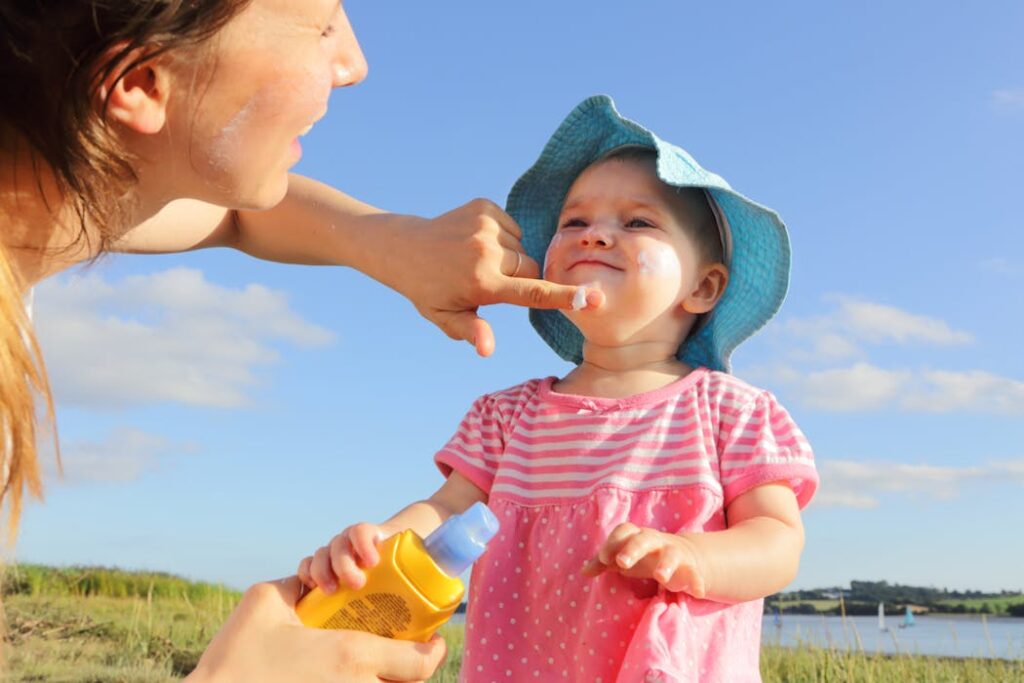
About one in two Australians will be diagnosed with skin cancer by age 70, with melanoma being the most dangerous type. Melanoma develops in skin cells known as melanocytes, which can become cancerous after excessive sun exposure. Common moles, which also originate from melanocytes, appear as small dark marks or bumps on the skin. While typically harmless, a higher number of moles increases the risk of one becoming malignant, making a high “mole count” a significant risk factor for melanoma.
In a promising development, researchers have observed a nearly 50% reduction in the number of moles among Australian children over the past 25 years. This finding, based on a study tracking almost 4,000 children, suggests a potential decrease in melanoma risk for future generations.
Why Moles Matter
Moles are a common feature in Australian children, with the average teenager having about 50 moles by age 15. They are more prevalent in individuals with lighter skin who are exposed to intense ultraviolet (UV) radiation. Having more than 100 moles increases the likelihood of developing melanoma by seven times compared to those with fewer than 15 moles.
Other melanoma risk factors include having pale skin or hair, a family history of unusual moles or melanoma, and certain genetic conditions. Understanding these factors is crucial for early prevention and intervention.
Study Findings: A Significant Decline
The Brisbane Twin Nevus Study, initiated in the early 1990s, has been pivotal in understanding mole development. Each year, researchers examined 12-year-old twins and their siblings in sun-drenched southeast Queensland, focusing on how genetic and environmental factors influence mole count. Between 1992 and 2016, the study followed 3,957 children and found a 47% decrease in the average number of moles.
Based on this decline, researchers predict a fourfold reduction in the lifetime melanoma risk for children born in the 1990s compared to those born in the 1980s.
The exact cause of this reduction remains uncertain, but improved sun protection and avoidance strategies in early childhood are believed to be significant contributors.
The Success of ‘Slip, Slop, Slap’
Research indicates that children today receive less UV exposure before age 12 compared to those in the 1990s and 2000s. The observed drop in mole count aligns with a 12% reduction in average UV exposure, likely due to longstanding sun safety campaigns.
The “Slip, Slop, Slap” campaign, launched by the Cancer Council in 1981, is a notable example. Featuring a board short-wearing seagull and a catchy jingle, it has become an iconic part of Australian culture, promoting sun protection measures like wearing hats, applying sunscreen, and seeking shade.
Although establishing a direct link between public health messaging and health outcomes is challenging, a 2023 study of 25 Queensland childcare centers found that those requiring sun-smart clothing saw a 25% decrease in the number of moles in children aged five and under.
Continued Vigilance Needed
While a 47% reduction in childhood mole numbers is encouraging, the effort to combat melanoma must continue. Parents should remain vigilant about sunburn, a clear indicator of skin damage from excessive sun exposure. Repeated sunburns in childhood are among the strongest risk factors for melanoma later in life.
Parents should also monitor their children’s moles for any changes in size, shape, or color, which may warrant a medical assessment. Additionally, reinforcing sun-smart habits, such as wearing protective clothing and applying sunscreen, is vital for long-term skin health.
Many Australian parents already incorporate sun safety into their daily routines. This study highlights the life-saving potential of these efforts, supported by robust public health messaging.
This article is republished from The Conversation. It was written by David Duffy and Nick Martin from the QIMR Berghofer Medical Research Institute. David Duffy has received funding from the National Health and Medical Research Council. Nick Martin has disclosed no relevant affiliations beyond their academic appointment.