



March 5, 2026 — 3:57pm
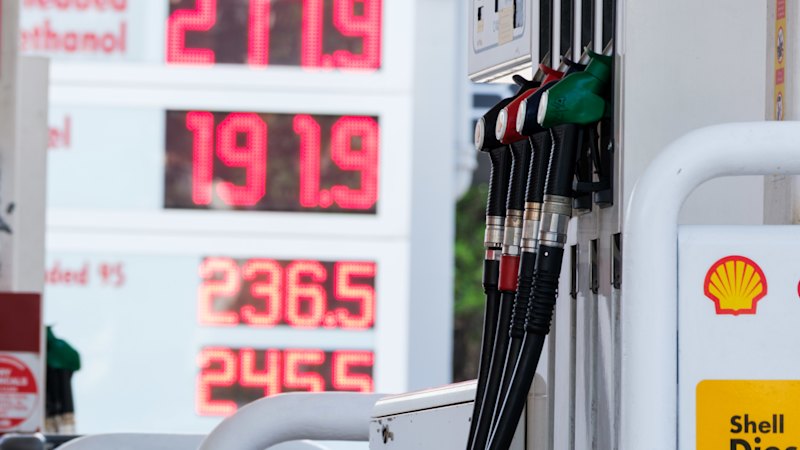
The former head of Australia’s consumer watchdog has criticized petrol stations for prematurely raising prices, citing the ongoing conflict in Iran as a misleading excuse. As fuel prices soar past $2.20 per litre in Australia’s major cities, Rod Sims, the longest-serving chair of the Australian Competition and Consumer Commission (ACCC), has called for an investigation into fuel companies potentially using the Middle East conflict as a smokescreen.
Despite a 10% surge in oil prices over the past week due to escalating tensions in the Middle East, experts assert that it typically takes at least a week for such global market fluctuations to impact Australian fuel prices. Sims stated,
“There can’t be any cost increases flowing through yet. Suggestions that this week’s oil volatility has forced immediate price increases are just not yet true and misleading to consumers.”
Impact of the Iran Conflict on Global Oil Prices
The war in Iran has heightened concerns regarding global crude oil supplies, which are refined into petrol and diesel. While this conflict is anticipated to eventually increase transport costs for Australian consumers, the immediate price hikes have raised eyebrows. According to the National Roads and Motorists Association (NRMA), over half of the service stations in Sydney and Melbourne have prematurely increased prices, selling regular unleaded fuel for 5¢ to 10¢ above expected levels.
This comes in spite of warnings from the Albanese government against price gouging. Major petrol-station operators such as Ampol, Viva Energy, BP, and ExxonMobil have declined to comment on the issue.
Understanding Fuel Price Cycles in Australia
Australian fuel prices typically fluctuate in cycles, during which retailers gradually discount their fuel to gain market share until prices bottom out, followed by a sudden spike of up to 40¢ per litre. Coincidentally, Melbourne and Sydney reached the peak of their regular price cycles as the US and Israel launched attacks on Iran.
Industry representatives argue that the recent price hikes are a result of “sharp price increases” in global markets for refined fuels. Rowan Lee, chief executive of the Australasian Convenience and Petroleum Marketers Association, explained,
“Fuel retailers don’t all buy fuel the same way. Some purchase on a daily spot price, while others buy on contracts based on seven-day, 14-day, 21-day or 28-day price averages. This means some retailers see international price changes immediately, while others experience them with a delay.”
NRMA’s Analysis and Government Response
NRMA spokesman Peter Khoury has criticized the current pricing, stating that average fuel prices across most service stations in both cities are significantly higher than they should be at this stage of the cycle. He noted,
“Neither a daily spot price nor a 14-day contract purchase justifies half the service stations in Australia’s three largest capital cities currently selling fuel at 60¢ or 70¢ per litre higher than what they bought it for at the terminal gate price.”
According to NRMA data, the average regular unleaded price in Melbourne was $2.09, while Sydney recorded the highest prices in the country at an average of $2.13 per litre. Some Sydney outlets were charging nearly $2.28 per litre, with more retailers surpassing the $2 mark.
Looking Ahead: Potential Investigations and Consumer Impact
The ACCC is expected to scrutinize these price increases closely, particularly given the potential for consumer deception. The ongoing situation in Iran could continue to affect global oil markets, but the immediate justification for price hikes in Australia remains under question.
As the situation develops, consumers and industry stakeholders alike will be watching closely to see how fuel prices respond to both international events and domestic regulatory actions. The implications for Australian households and businesses could be significant, depending on the duration and intensity of the conflict in the Middle East.