




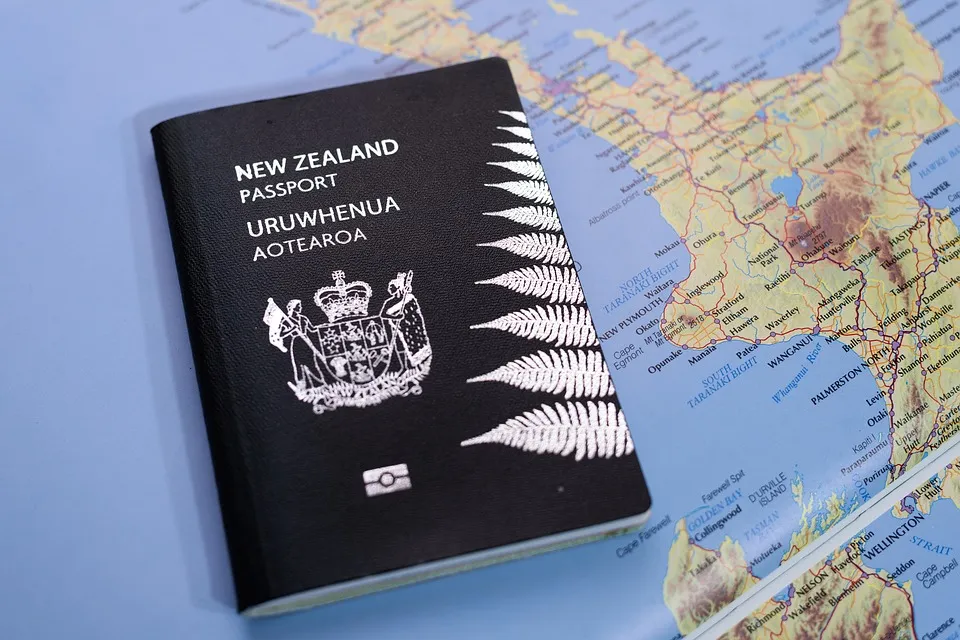
WELLINGTON – New Zealand is set to implement significant changes to the employment conditions for open work visa holders starting April 20, 2026. This update, announced by Immigration New Zealand, aims to clarify the scope of permitted work activities under various open visa categories while ensuring compliance with national labor laws.
The revised framework introduces distinct employment conditions for open work visa holders. According to authorities, this reform seeks to eliminate ambiguity and ensure that migrants fully understand the scope and limitations of their work rights.
New Zealand’s New Visa Conditions
Beginning April 20, open work visas will be categorized under two specific employment conditions. The first category permits visa holders to engage in any lawful work, including employment, self-employment, or operating a business. This flexible category encompasses partner-based work visas, the Post Study Work Visa, and certain partner visas linked to students, New Zealand citizens, military personnel, or scholarship recipients. Holders in this category can participate in a wide range of economic activities without employer restrictions.
The second category restricts visa holders to working for an employer under a formal employment agreement or contract for services. Individuals in this group are prohibited from operating independent businesses or working in a self-employed capacity. This condition applies to visas granted to victims of domestic violence, victims of people trafficking, migrant exploitation protection cases, asylum seekers, and all working holiday visa holders.
Employment Restrictions Under the Changes
Despite enhanced clarity, general legal obligations remain unchanged for all open work visa holders. Migrants must adhere to New Zealand’s employment laws and business regulations at all times. Visa holders are prohibited from employing others, either directly or indirectly, through a business they own. Authorities have also reiterated that open work visa holders cannot provide commercial sexual services or invest in businesses that offer such services.
These baseline conditions apply across both employment categories. Immigration officials emphasize that non-compliance could impact future visa applications or renewals. Employer-specific visas, such as the Accredited Employer Work Visa, remain unaffected by the update. Similarly, student visa holders are excluded from these revised conditions.
Transition Period Details
The government has introduced transitional arrangements to support current visa holders. Individuals already engaged in work that will not be permitted under their new visa category, with the exception of restricted commercial activities, may continue until their existing visa expires. This temporary flexibility allows migrants time to reassess their employment situation and prepare for future applications under the revised rules.
Authorities encourage visa holders to review their conditions online and seek clarification where necessary. Future applicants must meet the employment condition attached to their approved visa type at the time of issuance. Immigration New Zealand has emphasized that the changes focus on transparency rather than restricting lawful employment opportunities.
Expert Opinions and Historical Context
Experts in immigration law have noted that these changes reflect a broader global trend towards more structured and transparent immigration policies. Dr. Emily Tan, an immigration policy analyst, commented,
“The move represents a significant step towards ensuring that both migrants and employers have a clear understanding of their rights and responsibilities. This can help reduce exploitation and improve compliance with labor laws.”
Historically, New Zealand has been a popular destination for migrants seeking work opportunities. The country’s open work visa system has been praised for its flexibility, but it has also faced criticism for its lack of clarity, which sometimes led to misunderstandings about work rights and obligations.
Implications and Future Outlook
The updated framework reflects a structured approach to managing migrant labor participation. By separating unrestricted and employer-bound categories, the government aims to strengthen oversight while preserving workforce mobility. This development follows a series of immigration reforms aimed at balancing economic needs with social responsibilities.
As New Zealand continues to refine its immigration policies, the focus remains on creating a fair and transparent system that supports both economic growth and the rights of migrants. The changes to the open work visa conditions are expected to enhance New Zealand’s reputation as a desirable destination for skilled workers while safeguarding the integrity of its labor market.
For further updates, stay tuned to our coverage and follow us on social media.