


As tensions between the United States and Iran continue to escalate, the conflict is rapidly spreading beyond the Middle East, threatening regional and global stability. In recent developments, American and Israeli forces have intensified their strikes on Iran, targeting hundreds of military, government, and strategic sites. In retaliation, Iran launched a drone attack on an international airport in Azerbaijan, injuring two civilians and damaging the terminal.
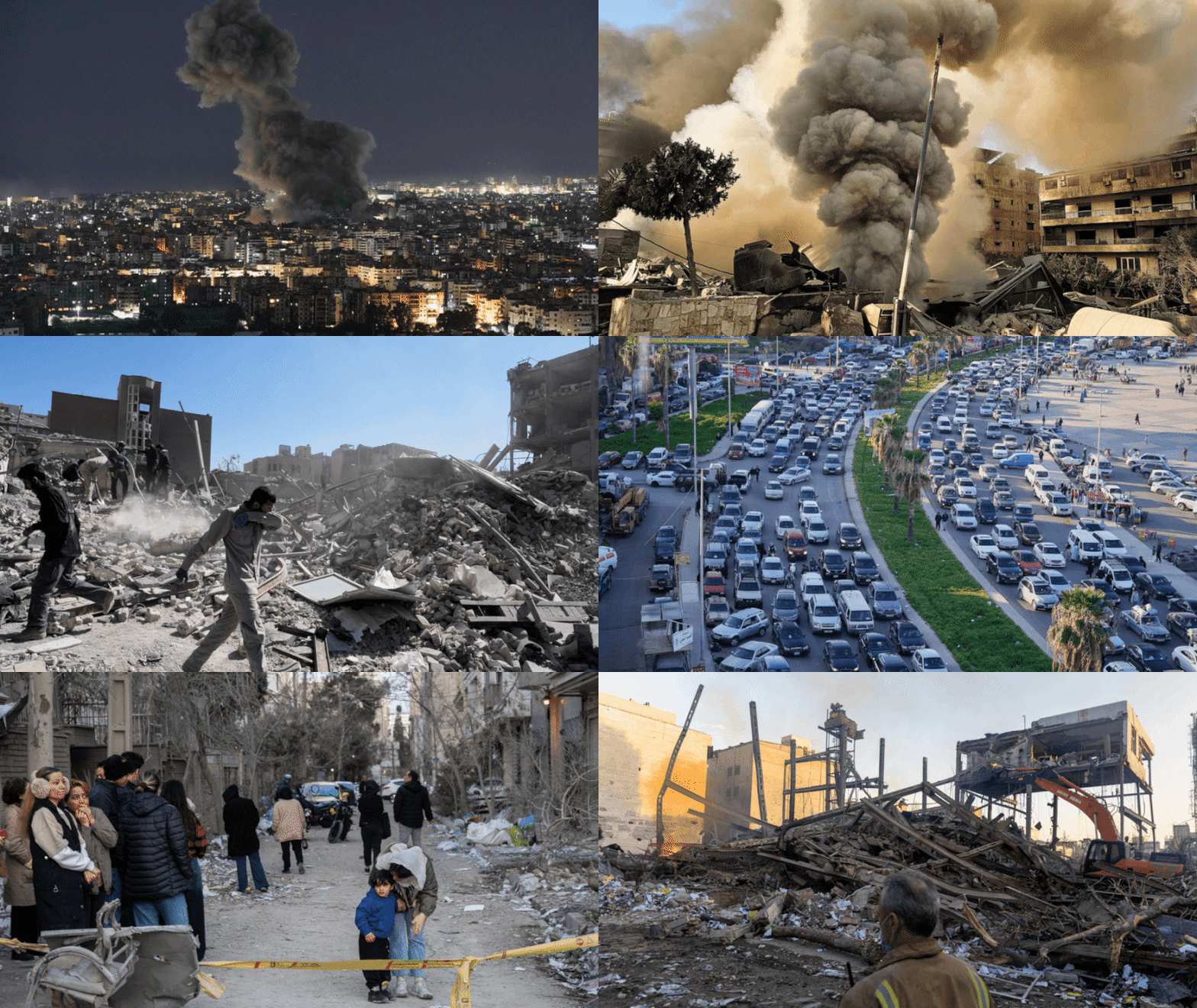
The situation further deteriorated as six out of seven ballistic missiles aimed at the United Arab Emirates were intercepted. Authorities reported that since Saturday, a total of 196 ballistic missiles, over 1,000 drones, and eight cruise missiles have been detected heading towards the UAE. Meanwhile, the Israeli military has initiated new strikes against Hezbollah in Lebanon, ordering the evacuation of southern Lebanon residents, underscoring the conflict’s potential to engulf neighboring nations.
Global Implications and Economic Repercussions
The conflict’s rapid spread has prompted European leaders to announce the deployment of military assets to protect their citizens and interests, as well as crucial shipping routes. The closure of the Strait of Hormuz, a vital passage for one-fifth of the world’s oil supply, has already led to a 16% surge in global oil prices. The Dow Jones Industrial Average dropped by 1,000 points, reflecting growing concerns over the economic impact.
British Prime Minister Keir Starmer has stood by his decision not to join initial attacks on Iran, despite criticism from US President Donald Trump, who suggested that the “special relationship” between the US and the UK was under strain. Trump has also expressed a desire to influence Iran’s leadership transition, stating he wants to help personally choose Iran’s next leader.
Military and Diplomatic Developments
The US sinking of an Iranian warship in international waters has further inflamed tensions, with Iran vowing revenge. Iranian Foreign Minister Abbas Araghchi declared that Iran is prepared to counter any ground invasion by US forces, asserting confidence in Iran’s military capabilities. In an interview with NBC News, Araghchi stated, “We are waiting for them… We are confident that we can confront them, and that would be a big disaster for them.”
In a related development, Sri Lanka has begun evacuating the crew of a second Iranian vessel off its coast, following a US submarine strike that killed 87 people. The Iranian frigate, IRIS Dena, was returning from joint military exercises in India when it was attacked. Sri Lankan President Anura Kumara Dissanayake confirmed that the crew would be taken to a naval base near Colombo.
International Reactions and Future Prospects
President Trump has not minced words in his criticism of Spain for its refusal to support the US military campaign in Iran, labeling the country a “loser” and expressing disappointment with the UK. Trump’s remarks have sparked further diplomatic tensions, particularly as he continues to push for increased defense spending among NATO allies.
In Lebanon, the Israeli military’s order for residents of Beirut’s Hezbollah-controlled southern suburbs to evacuate marks a significant escalation. The evacuation order has led to chaos, with roads clogged and gunfire reported as residents flee. Israeli military spokesperson Avichay Adraee urged residents to “save your lives, evacuate your homes immediately.”
“Iranian fire is all over Saudi Arabia, Qatar, Iraq, and now Azerbaijan – homes, hotels, airports,” said Israeli ambassador to the UN, Danny Danon. “That is not military targeting, that is indiscriminate aggression.”
As the conflict continues to unfold, the international community remains on high alert. The potential for further escalation looms large, with significant implications for global security and economic stability. The coming days will be critical in determining the trajectory of this conflict and its impact on the world stage.