




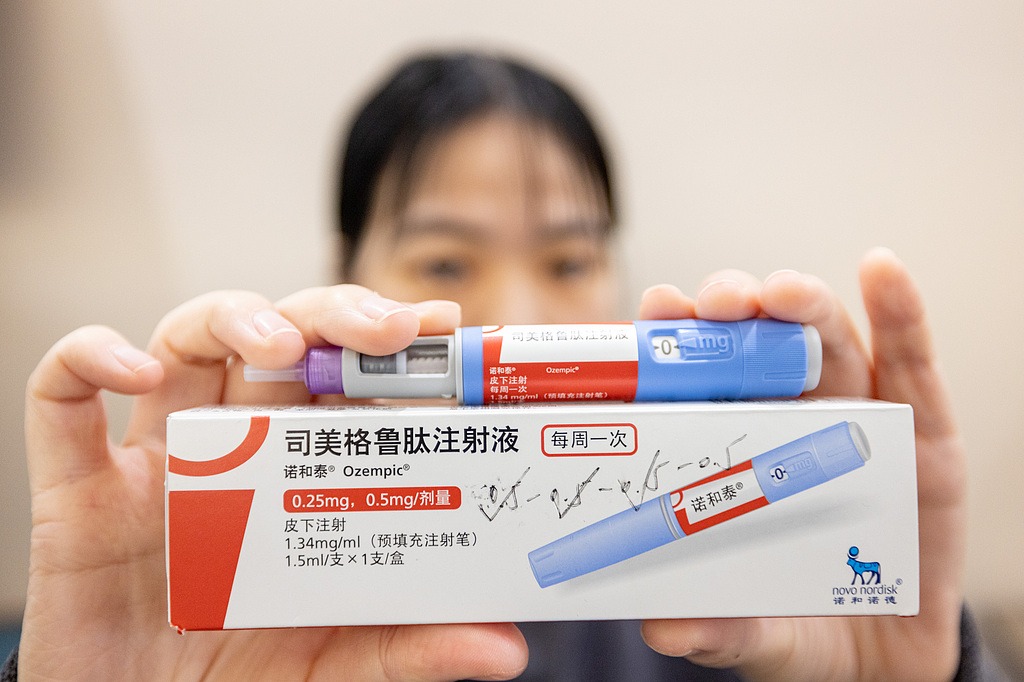
For many individuals seeking a quick fix to shed the extra pounds gained during the Spring Festival holiday, weight-loss injections might appear to be an appealing solution. However, medical experts caution that these injections are far from a magic cure.
Zhou Qunyan, head of the clinical nutrition department at Wuxi People’s Hospital in Jiangsu province, has observed a notable increase in annual visits to her department. More than half of these patients are now seeking advice specifically on weight-loss strategies. “Visits typically peak ahead of warmer weather, when people begin preparing to wear lighter clothing,” she remarked.
“Around Spring Festival and other major holidays, we sometimes see patients who finally have time to schedule a hospital appointment, as well as those concerned about holiday weight gain,” Zhou added. This trend is echoed in Hubei province, where local media reported a surge in visits to obesity and endocrinology clinics at two major hospitals following the Spring Festival holiday on February 23. Many patients were inquiring specifically about weight-loss injections.
The Rise of Weight-Loss Injections
Originally developed to treat diabetes and obesity, these slimming injections have gained popularity worldwide. A variety of both foreign and domestic products have gradually entered the Chinese market since at least 2023. “Weight-loss injections work primarily by curbing appetite and reducing cravings. They must be administered in proper cycles under a doctor’s professional guidance,” Zhou explained.
However, she emphasized the importance of a comprehensive physical assessment to determine a patient’s suitability for such therapy. Individuals with thyroid disorders or other preexisting conditions are advised against using these injections. Potential side effects include vomiting, a complete loss of appetite, and even more severe conditions such as acute pancreatitis.
“Patients in need of shedding weight are increasingly open to trying injections. But it is important to stress that weight-loss shots are only a tool to assist weight loss, not a solution on their own,” Zhou said.
Long-Term Weight Management Strategies
According to Zhou, the treatment is potentially most suitable for those who are severely obese, experience high uric acid, gout, or other obesity-related complications, and who struggle with dietary control. “But the only long-term and sustainable approach to losing weight and maintaining a healthy weight is to adopt healthy lifestyles and break unhealthy habits such as staying up late, eating junk or highly processed foods, and lack of exercise,” she advised.
Yang Aiming, chief physician at the gastroenterology department of Peking Union Medical College Hospital, echoed these sentiments, emphasizing that healthy weight management is a long-term process centered around dietary balance and moderation. “A diverse diet, eaten in appropriate portions and at regular times, combined with regular physical activity and consistent weight monitoring, is key,” Yang stated. “Ultimately, cultivating healthy lifestyle habits is the most reliable approach to weight management,” he added.
National Efforts and Future Implications
In response to the growing waistlines of its population, China aims to ensure that all tertiary-level public general hospitals are capable of providing weight management clinic services by the end of this year, according to the National Health Commission. This initiative underscores the country’s commitment to tackling obesity through accessible healthcare services and education on healthy living.
The announcement comes as more individuals seek quick fixes for weight loss, highlighting the need for increased awareness and education on the importance of sustainable weight management practices. As the popularity of weight-loss injections continues to rise, experts stress the critical role of lifestyle changes in achieving long-term health goals.