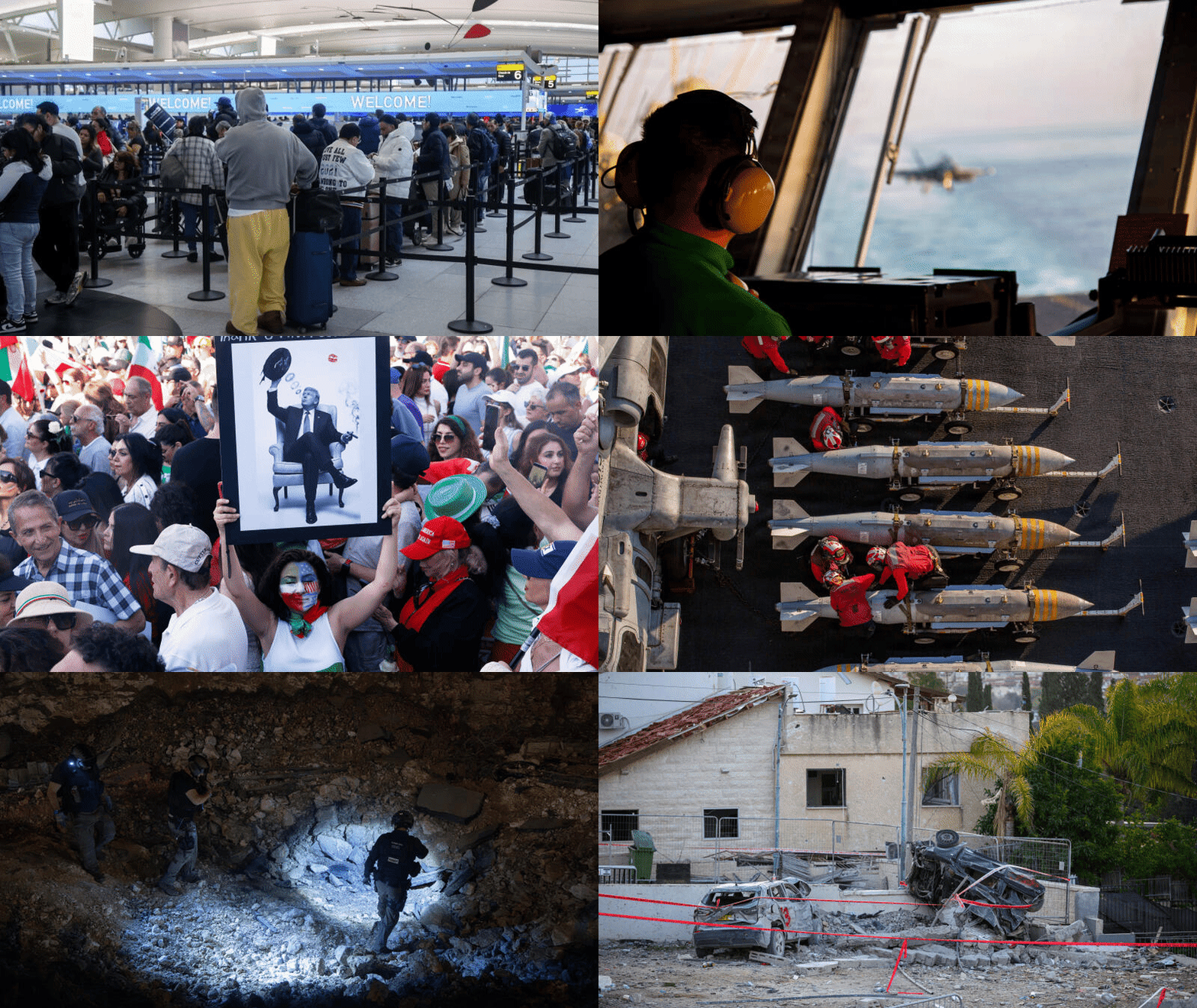


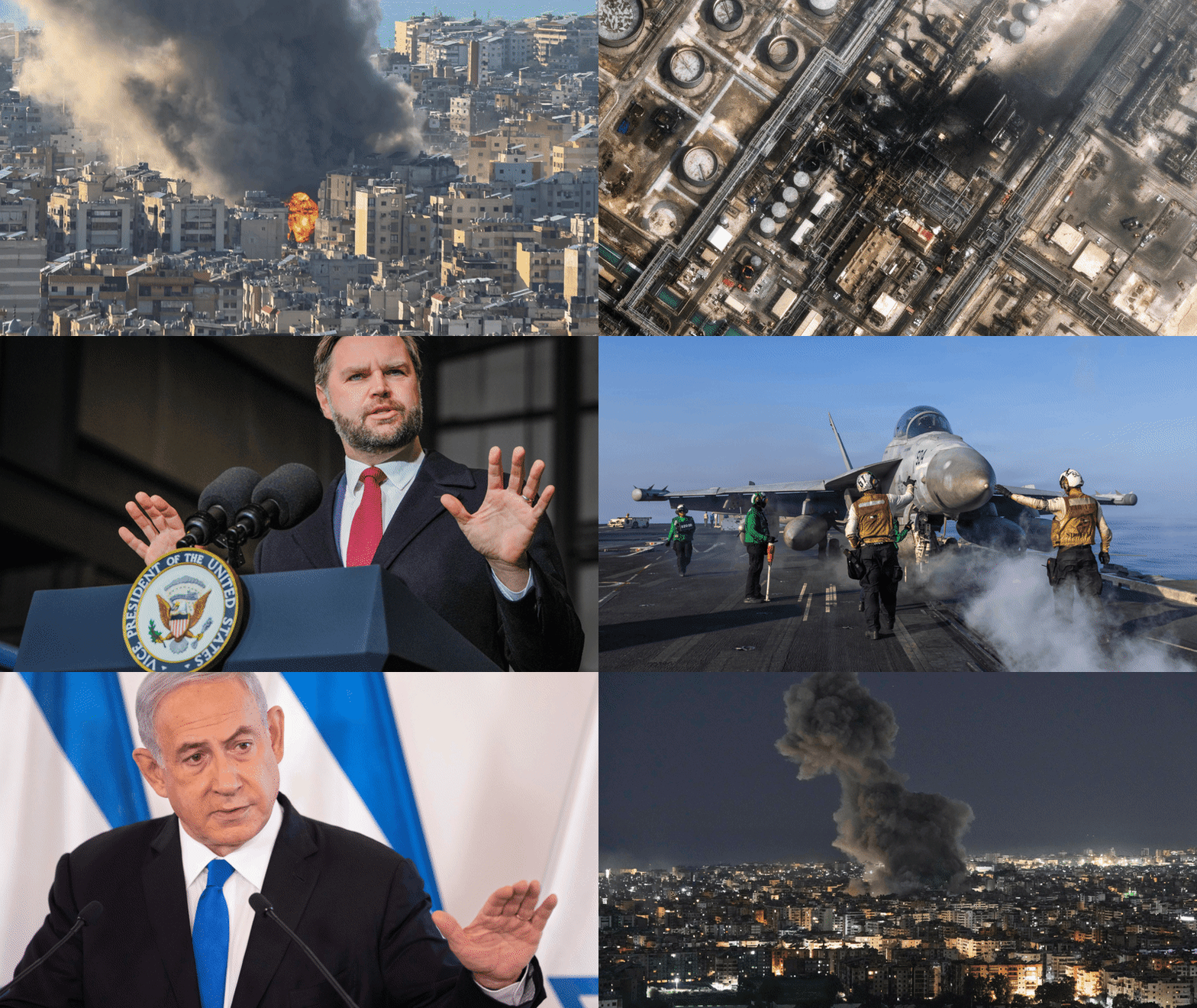
Welcome to our comprehensive coverage of the escalating conflict in the Middle East, where tensions between the United States and Iran have reached unprecedented levels. As the situation unfolds, global reactions and strategic moves continue to shape the narrative.
US President Donald Trump addressed the media from the Oval Office, defending his decision to launch an attack on Iran by citing an imminent “nuclear war.” However, Rafael Grossi, head of the UN’s nuclear watchdog, countered this claim, stating Iran was not on the brink of acquiring a nuclear weapon.
International Reactions and Military Movements
French President Emmanuel Macron condemned the US and Israeli attacks on Iran as illegal, announcing France’s deployment of anti-missile and anti-drone systems to protect its interests in the region. This development comes amidst heightened military activity, including Israeli ground troops entering Lebanon in a campaign against Hezbollah.
Meanwhile, the first commercial flight from the Middle East to Australia since the conflict began has departed from Dubai, marking a significant step in resuming international travel. This comes as a fire broke out at the US consulate in Dubai following an Iranian drone strike, with US Secretary of State Marco Rubio confirming all personnel are safe.
Economic Implications and Energy Concerns
President Trump has vowed that the US Navy will ensure the safe passage of tankers through the Strait of Hormuz, a critical energy chokepoint, amid Iranian threats to target ships. The Albanese government in Australia is urging calm as fears of disrupted petrol supplies lead to long queues at stations, and global markets experience volatility.
Global oil prices have surged by approximately 10% due to supply chain disruptions, impacting the cost of essential commodities like gas and fertilizer.
Australia’s Treasurer Jim Chalmers expressed concerns over the potential economic fallout, emphasizing the uncertainty surrounding the conflict’s impact on global supply chains.
Humanitarian and Diplomatic Efforts
Australia has deployed additional consular support to assist citizens caught in the Middle East conflict. Foreign Minister Penny Wong highlighted the unprecedented nature of the situation, stressing the importance of dialogue and diplomacy for regional stability.
Wong also addressed criticisms regarding the government’s response, stating that extensive travel advisories had been issued prior to the escalation. She reaffirmed Australia’s commitment to safeguarding its citizens and maintaining diplomatic channels.
Military and Strategic Developments
The Trump administration is set to meet with major US defense contractors to discuss accelerating weapons production, underscoring the urgency of replenishing munitions stocks. This move follows significant military engagements in Iran, Ukraine, and Gaza.
“The US has a ‘virtually unlimited supply’ of munitions,” President Trump claimed on social media.
In Iran, Mojtaba Khamenei, son of the late Supreme Leader Ali Khamenei, is poised to assume leadership. Known for his ties to the Revolutionary Guards, his potential appointment signals the group’s continued influence in Iran.
Cultural and Historical Impact
The conflict has also taken a toll on cultural heritage, with Tehran’s Golestan Palace suffering damage from recent strikes. UNESCO has expressed concern and is actively monitoring the situation to protect cultural sites.
As the conflict continues to evolve, the international community remains on high alert, with diplomatic efforts and strategic decisions shaping the future landscape of the Middle East.