




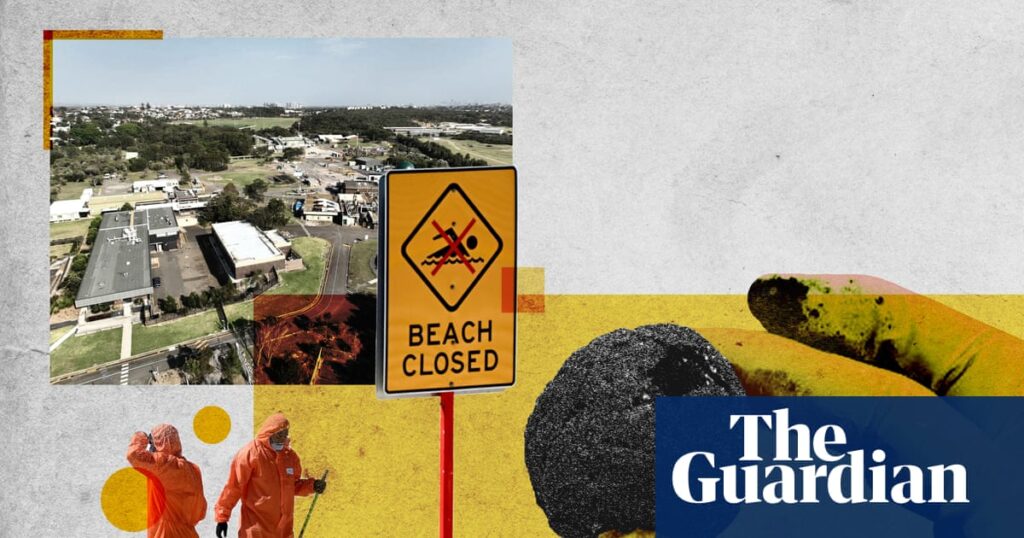
The New South Wales Environment Protection Authority (EPA) has mandated Sydney Water to address a massive fatberg at its Malabar wastewater treatment plant. This directive follows revelations that the fatberg was responsible for creating “poo balls” that led to the closure of several Sydney beaches last summer.
Sydney Water faces a significant challenge in determining the exact size of the fatberg due to its inaccessibility. Estimates suggest it could be as large as four Sydney buses. Addressing this issue requires shutting down the ocean outfall, which extends 2.3 kilometers offshore, for maintenance. This would necessitate diverting sewage to a “cliff face discharge,” potentially closing Sydney’s beaches for months, according to a confidential report obtained by Guardian Australia.
Environmental Concerns and Regulatory Actions
The EPA’s pollution reduction program demands Sydney Water undertake substantial work, including the removal of fats from the Malabar deep ocean outfall bulkhead area. This measure aims to prevent further debris balls from washing ashore.
The EPA’s statement outlined a series of required actions for Sydney Water, including the removal of fats, oils, and grease from hard-to-access areas of the outfall. Additionally, Sydney Water must develop a system to capture debris during severe wet weather events, study the formation and weathering of debris balls, and explore the use of AI or other technologies for monitoring.
“Sydney Water is responsible for ensuring it doesn’t pollute our beautiful beaches, and this important work is a step towards that,” stated Steve Beaman, the EPA’s executive director of operations.
Technical Challenges and Historical Context
The August 2025 report highlights the complex nature of the issue, noting that FOG (fats, oils, and grease) accumulation in an inaccessible zone may have led to sloughing events, releasing debris balls. The bulkhead door, usually underwater, can only be opened under specific conditions, making it difficult to address the fatberg directly.
Despite these challenges, Sydney Water has been actively cleaning the accessible parts of the system. In April 2025, the utility removed 53 tonnes of accumulated FOG, including debris balls, in what is described as an “extremely risky operation.”
The problem of debris balls first emerged in October 2024, leading to beach closures. Initially, Sydney Water claimed the balls did not result from its wastewater discharges, a statement later contradicted by further investigations.
Admission and Future Steps
Earlier this month, Sydney Water’s managing director, Darren Cleary, acknowledged the earlier misstatements, admitting to the ABC that the ocean outfall was likely the source of the debris balls. “In hindsight, looking back, clearly the evidence is saying it most likely was the ocean outfall,” Cleary stated.
“With the benefit of hindsight, yes, those earlier statements have been shown to be not factually correct,” Cleary added.
The move by the EPA represents a significant step towards addressing environmental concerns associated with the Malabar plant. As Sydney Water undertakes these mandated actions, the focus will be on minimizing the impact on Sydney’s beaches and ensuring the protection of the natural environment.
Looking forward, the implementation of advanced monitoring technologies and improved maintenance protocols will be critical in preventing similar incidents. The collaboration between Sydney Water and regulatory bodies like the EPA will play a pivotal role in safeguarding the region’s coastal ecosystems.