
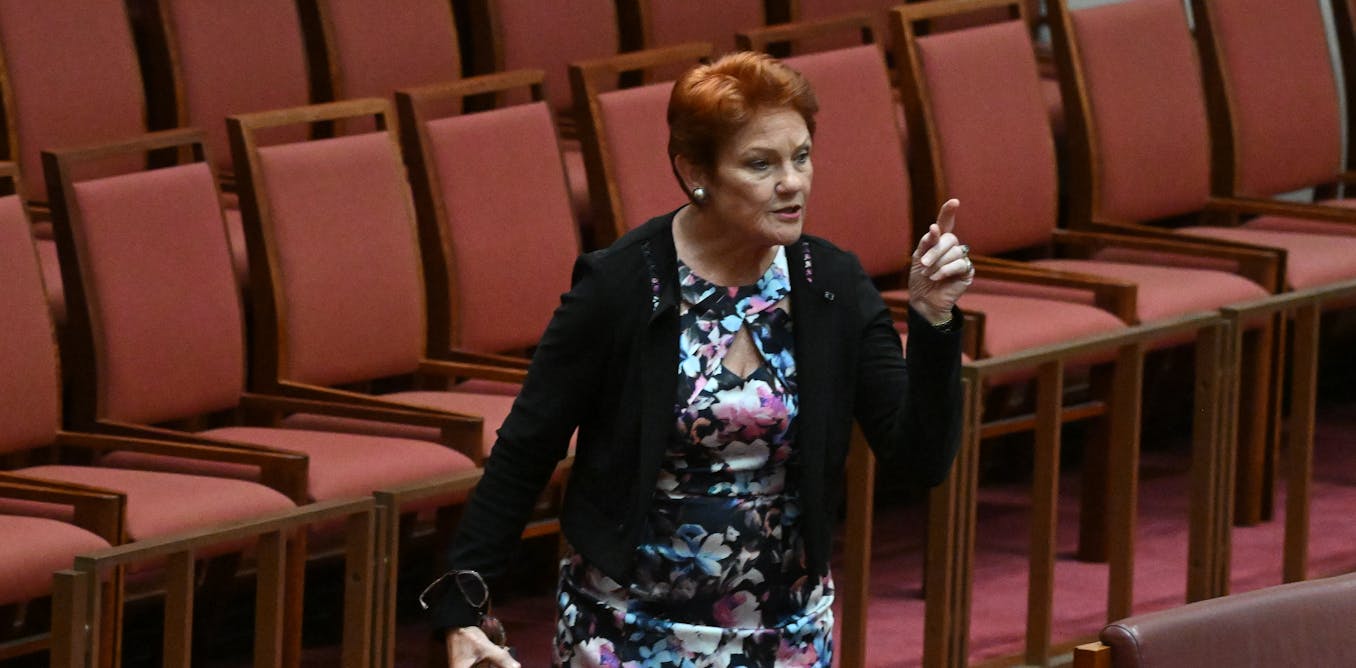

Barnaby Joyce, the high-profile One Nation recruit and Member of Parliament for New England, has sparked controversy by stating that ISIS brides seeking to return to Australia should be considered accomplices to their husbands’ crimes. Joyce argues that these women were part of some of the most heinous acts in modern history, committed by their spouses.
The debate centers around 11 Australian women currently in a Syrian refugee camp who are seeking to return home. Among them is Kirsty Rosse-Emile, whose father claims she is lying about being coerced into supporting ISIS and insists she should not be allowed back into the country. Rosse-Emile previously appeared on national television, pleading with the government to facilitate her return, despite allegations that she once expressed a desire to “make bombs” instead of attending school.
Federal police have reportedly launched an investigation following these revelations. However, a spokesperson from the Department of Home Affairs declined to comment on potential measures against Rosse-Emile, citing privacy concerns.
Controversial Views and Public Sentiment
Joyce’s comments have ignited a broader debate about the responsibilities and consequences faced by those associated with terrorist organizations. He emphasized that anyone with knowledge of, or involvement in, criminal activities should be viewed through the lens of complicity, regardless of gender or parental status.
“This has to be the prism that these actions are seen through,” Joyce stated. “The fact that it’s a woman, the fact that they’re a mother – that is irrelevant to the fact that their husband could or probably would’ve been part of some of the most horrendous acts in modern history against defenceless people.”
Some of the women claim they were deceived by their husbands into entering Syria or felt compelled to follow male family members into the war zone. Joyce, however, expressed his sympathies with the Yazidi refugees, many of whom were victims of ISIS atrocities and have since been resettled in his electorate.
“If anybody has ever got a query about the sympathies that they might now be feeling, I can take them to Armidale and I can talk to some of these Yazidi refugees,” he said. “Then they can ask themselves a question about how much sympathy they feel for the people who are a party to this.”
Government Stance and Legal Implications
The Albanese government has stated that while the ISIS brides hold Australian passports and are technically free to return, the government will not facilitate their repatriation. One woman is subject to a temporary exclusion order on national security grounds, potentially barring her entry for two years, though her identity remains undisclosed.
Opposition Home Affairs spokesman Jonno Duniam has criticized the government’s stance, arguing that individuals who joined a “death cult” should not expect to return to Australia with impunity.
“Our message to Labor is clear: shut the door,” Duniam said. “The Government must assure Australians that they will not allow this individual, and the rest of the ISIS brides cohort, to make it to our shores.”
Duniam further remarked that Australians do not want ISIS-affiliated families as neighbors, specifically referencing Rosse-Emile’s alleged past intentions and her support for an Islamist Caliphate.
Personal Stories and Broader Implications
Rosse-Emile, who claims she was tricked into entering the war zone at the age of 14, has faced skepticism about her narrative. Her former housemate, identified as Sara, recounted a conversation in which Rosse-Emile, then known by her Islamic name Asma, expressed a desire to “make bombs” rather than pursue education.
Sara expressed doubt about Rosse-Emile’s ability to abandon her extremist beliefs, regardless of her current intentions. Rosse-Emile’s husband, Nabil Kadmiry, was captured during ISIS’s territorial defeat in 2019 and is believed to be held in a Kurdish prison.
Other Australians seeking to return include Nesrine Zahab, her aunt Aminah Zahab, cousin Sumaya Zahab, Kawsar Abbas and her daughters Zeinab and Zahra Ahmed, Janai Safar, Hodan Abby, Kawsar Kanj, and Hyam Raad.
The situation raises complex questions about national security, human rights, and the rehabilitation of individuals associated with extremist groups. As Australia grapples with these issues, the debate over the ISIS brides’ return remains a contentious topic, reflecting broader global challenges in addressing the aftermath of terrorism.