




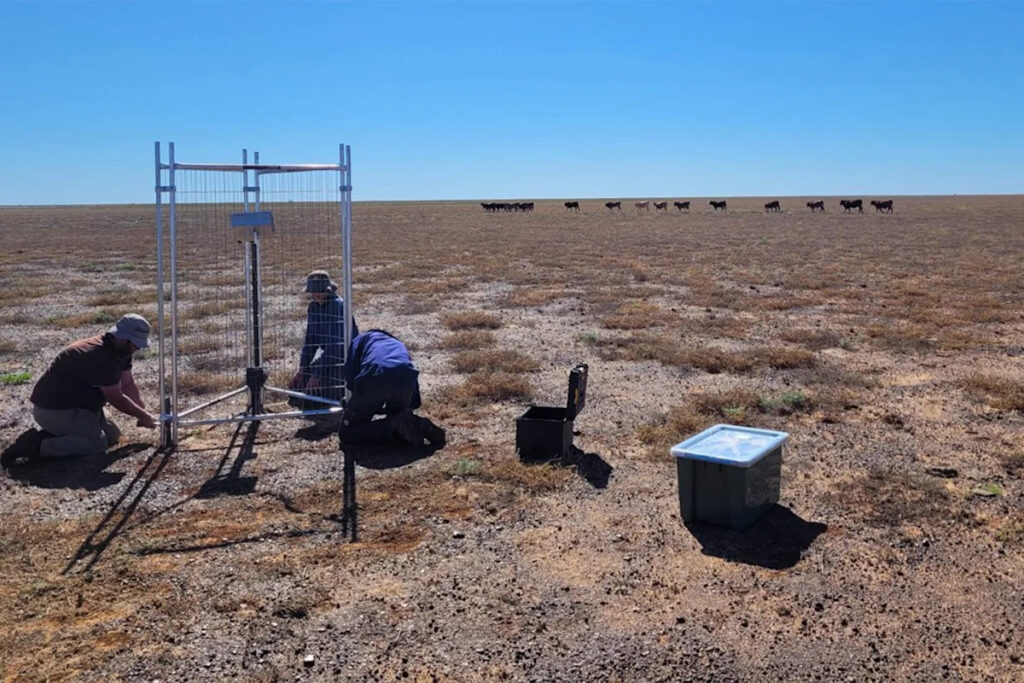
Surveillance devices positioned across a sprawling 6,370-hectare cattle station in remote western Queensland have captured the elusive sounds of one of Australia’s rarest birds, the plains wanderer. With an estimated population of just 250 to 1,000 individuals in the wild, this discovery has ignited hope among conservationists that these birds may inhabit more areas than previously believed.
The breakthrough was made by Tessa Manning, an ecologist with the Australian Wildlife Conservancy (AWC), who meticulously sifted through thousands of recordings from the property. “Of the 60 recording sites, we ended up hearing plains wanderers on 31, then 16 of those sites had a substantial number of calls,” Manning revealed to Yahoo News. The recorders, placed between one and seven kilometers apart, suggest that the birds are occupying a significant territory.
Ecological Collaboration and Technological Innovation
This project is a collaboration between the AWC, a non-profit organization managing wildlife on private lands, and the North Australian Pastoral Company, which oversees 14 stations across Queensland and the Northern Territory. Together, these stations cover a total of six million hectares. The initiative involved the analysis of 30,000 recordings made between June and August 2024, which were refined to 3,000 using software developed by the Queensland University of Technology. This technology helps distinguish suspected plains wanderer sounds from other species.
Despite the technological aid, Manning faced a monumental task. “At home, I had a giant spreadsheet with each record listed on it. I’d press play, wait and listen, and then respond with yes or no,” she explained. The process took her approximately 48 hours to complete, during which she often encountered sounds from dingoes, magpies, or frogs.
Historical Context and Conservation Challenges
The closest prior recording of plains wanderers to this new site was 16 kilometers east in 2014, with another sighting 33 kilometers away in 1988. Historically, these birds were widespread across eastern Australia, but their numbers have plummeted due to the introduction of invasive predators like foxes and cats, habitat destruction, and altered fire regimes. Listed as critically endangered, plains wanderers are notoriously difficult to detect due to their small size and ability to blend into grassland habitats.
“They are a species that potentially occupies a lot of grassland habitat, but we just don’t know,” Manning said. “They’re really hard to detect because they’re so small and they camouflage very easily.”
Future Implications and Conservation Efforts
Remarkably, as AWC staff set up the recorders, they managed to observe and photograph plains wanderers in their natural habitat. The nighttime images captured the quail-like, ground-dwelling birds curiously observing the human visitors. The AWC now aims to determine whether these birds are permanent residents of the area or if their presence was temporary, and to understand the types of environments they thrive in.
“It’s good to know that plains wanderers and cattle can occupy the same areas,” Manning noted, highlighting a potential synergy between agricultural activities and wildlife conservation.
This discovery not only provides a glimmer of hope for the plains wanderer’s survival but also underscores the importance of innovative conservation techniques and collaborations. As efforts continue to protect this critically endangered species, the findings from the Queensland cattle station could inform future conservation strategies and habitat management practices.