




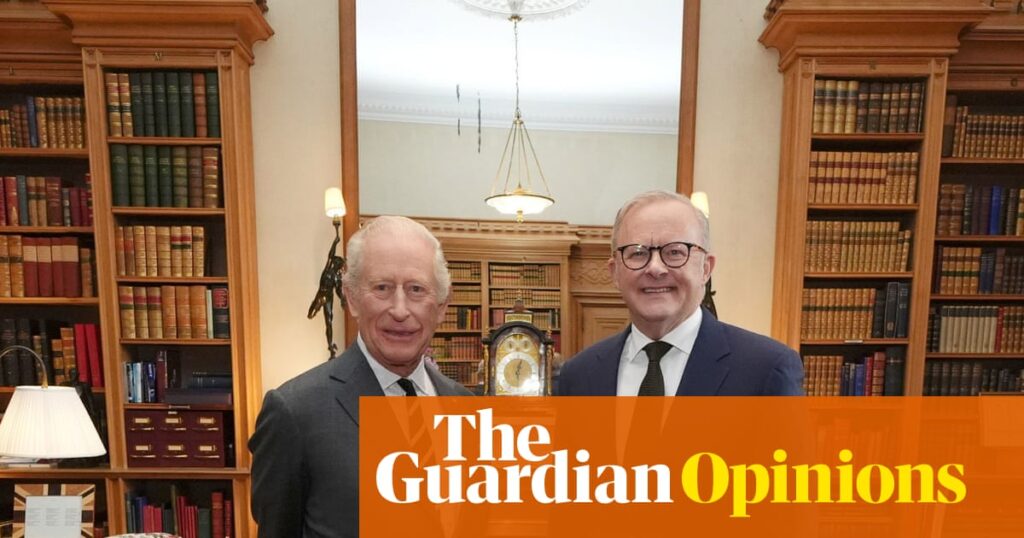
Just before a comment about Grace Tame stirred controversy, Prime Minister Anthony Albanese made a strikingly candid remark about Andrew Mountbatten-Windsor. During an event in Melbourne, Albanese was asked for one-word responses about various public figures. When the former Prince Andrew was mentioned, Albanese labeled him a “grub.”
This blunt statement from the usually cautious Albanese reflects the depth of Andrew’s fall from grace, largely due to his association with the convicted sex offender Jeffrey Epstein. Despite the scandal’s reach into the royal family, it has not prompted a significant reassessment of Australia’s constitutional ties to the British monarchy.
The Stagnant Republic Debate
Albanese’s comment comes amid ongoing discussions about Australia’s status as a constitutional monarchy. Although allegations of misconduct and abuse have surfaced, they have not spurred a renewed push for an Australian republic. The reluctance to address this issue stems from a perceived lack of ambition and imagination, as well as political caution following the failed Indigenous voice to parliament referendum in October 2023.
Albanese, a known republican, has expressed support for an Australian head of state but acknowledges the challenges of initiating another constitutional debate. The prime minister praised King Charles and Queen Camilla, suggesting a cautious approach to the monarchy issue.
Political and Economic Pressures
The Albanese government faces pressing issues, including managing inflation and preparing for a challenging federal budget. Additionally, the rise of populist politics, exemplified by figures like Pauline Hanson, demands attention. Wayne Swan, Labor’s president, has advised that while the party’s success is not guaranteed, Albanese should not shy away from ambitious policy debates.
“Albanese shouldn’t be afraid of engaging in ambitious and contentious policy debates,” said Wayne Swan, Labor’s president.
Monarchy’s Modernization Efforts
King Charles has been working to modernize the monarchy, aiming for long-term sustainability beyond his reign. Despite the scandal surrounding Andrew, public affection for Charles remains, as evidenced by his recent tour of Australia. However, the monarchy’s image is at risk if further revelations about Andrew’s actions emerge.
Andrew Mountbatten-Windsor, who denies all allegations against him, settled a civil case with Virginia Giuffre, who accused him of sexual abuse. King Charles reportedly did not contribute to the settlement, yet expressed concerns over Andrew’s potential appointment as a UK trade ambassador.
“The nickname given to the then prince by those charged with his protection is too crude to repeat here,” noted a viral 60 Minutes interview with a former security officer.
Future Prospects for a Republic
Albanese’s assessment that a referendum would be too difficult is seen by some as a missed opportunity. Australians were led to expect a republic debate following Queen Elizabeth’s death. Initially, Albanese included a junior ministry for advancing the republic, but current political dynamics have stalled progress.
Former Labor leader Bill Shorten proposed a pathway in 2017, suggesting a plebiscite followed by a referendum to build momentum for a republic. This strategy aimed to maximize the chances of a successful vote, offering a potential roadmap for future efforts.
The ongoing investigations into Epstein’s network could further implicate senior royals, posing a risk to the monarchy’s standing. Both King Charles and Prince William have publicly supported police investigations and the victims of Epstein’s crimes.
“It will fall to a future Labor prime minister to show the political courage for starting a new debate about an Australian republic,” said Tom McIlroy, Guardian Australia’s political editor.
The future of Australia’s relationship with the monarchy remains uncertain, hinging on political will and public sentiment. As the royal family navigates ongoing controversies, the prospect of an Australian republic continues to linger in the background.