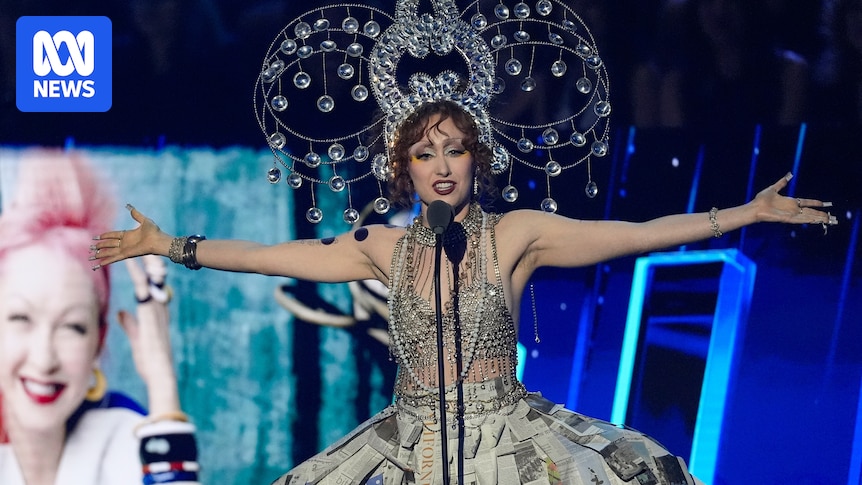
Pop sensation Chappell Roan has announced her departure from Wasserman, the talent agency led by Casey Wasserman, following scrutiny over his past email exchanges with convicted sex trafficker Ghislaine Maxwell. The revelation comes after the U.S. Department of Justice released files connecting Wasserman to Maxwell through emails dating back to 2003.
Roan took to Instagram to share her decision, stating, “Artists deserve representation that aligns with their values and supports their safety and dignity. This decision reflects my belief that meaningful change in our industry requires accountability and leadership that earns trust.”
Background on the Controversy
The controversy stems from emails exchanged between Casey Wasserman and Ghislaine Maxwell, who is currently serving a 20-year prison sentence for her role in sex trafficking minors. These emails, which were made public last month, date back to a time when Wasserman was married and before Maxwell’s criminal activities were widely known.
Wasserman, a prominent sports and entertainment executive, has apologized for the correspondence, clarifying that he had no personal or business relationship with Jeffrey Epstein, Maxwell’s former boyfriend and a convicted sex offender. “The emails were from a period before any criminal behavior by Maxwell or Epstein was known,” Wasserman stated.
Implications for the Talent Agency
The talent agency, Wasserman, has yet to comment on Roan’s departure. The agency, known for representing high-profile clients across sports and entertainment, now faces increased scrutiny as it navigates the fallout from these revelations.
According to industry experts, the incident highlights the growing demand for ethical representation in the entertainment industry. “Artists today are more conscious of their public image and the values their representatives uphold,” said a leading entertainment analyst. “This move by Roan could set a precedent for others in the industry.”
Ghislaine Maxwell and Jeffrey Epstein: A Troubled History
Maxwell’s conviction in 2021 was a significant milestone in the long-running investigation into Jeffrey Epstein’s criminal network. Maxwell was arrested in 2020 and accused of recruiting and grooming young girls for Epstein’s illicit activities between 1994 and 2004. Her trial revealed the extent of her involvement in facilitating Epstein’s abuse.
Epstein, a financier with connections to numerous influential figures, was arrested in 2019 on federal charges of sex trafficking minors. His death in a Manhattan jail cell, ruled a suicide, left many questions unanswered about the extent of his network and the people involved.
Looking Forward: The Industry’s Response
Roan’s decision to leave Wasserman underscores a broader shift in the entertainment industry towards accountability and ethical representation. As more artists demand alignment with their personal values, agencies may need to reevaluate their practices and associations.
This development follows a series of high-profile cases where artists have taken a stand against representatives or organizations that do not reflect their values. The trend suggests a growing awareness and activism among artists, who are increasingly unwilling to compromise on ethical grounds.
As the industry grapples with these issues, the focus will likely remain on transparency and the need for agencies to build trust with their clients. Roan’s departure from Wasserman could serve as a catalyst for further changes in how talent agencies operate and the standards they uphold.
The unfolding situation at Wasserman will be closely watched by industry insiders and observers alike, as it may signal a turning point in the relationship between artists and their representatives.