


The Polar Loop Gen 2 enters the competitive world of screenless wearables with a sleek design and no subscription fees, but it struggles to stand out due to its outdated app. Priced at $199/£149.90, it offers a more affordable alternative to the Whoop 5.0, yet its performance is marred by inconsistent tracking accuracy and limited accessory options.
As the screenless wearable market grows, led by the popularity of Whoop, users are increasingly drawn to devices that prioritize holistic health data without the distraction of notifications. The Polar Loop Gen 2 aims to capture this audience with its minimalist design and focus on recovery metrics.
Design and Comfort
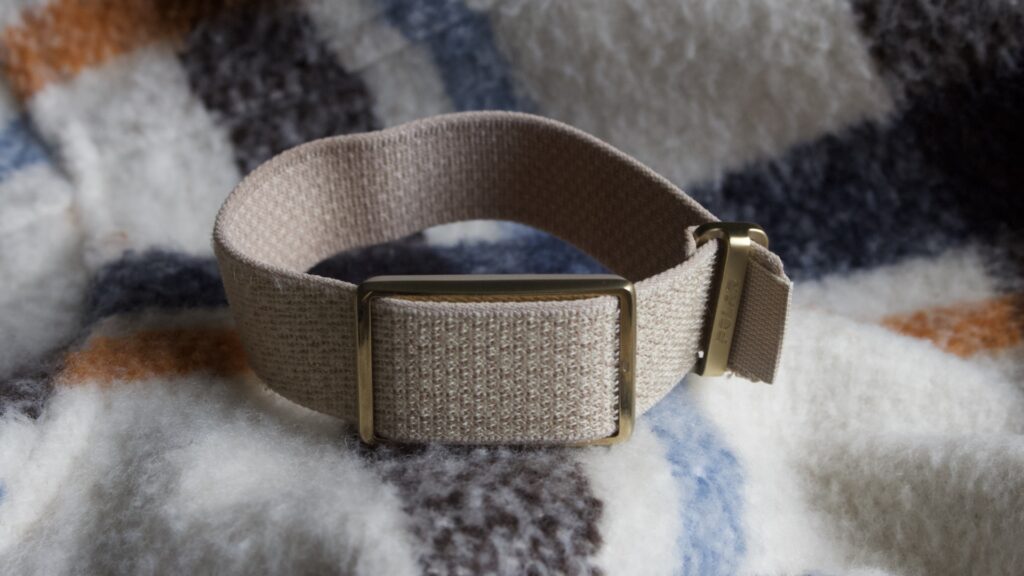
The Polar Loop Gen 2 closely resembles the Whoop in terms of design, featuring a fabric band and metal clasp. This similarity has even led to legal disputes over design rights. Despite these issues, the Loop Gen 2 offers a comfortable fit with its lightweight sensor module and water-resistant WR30 rating, making it suitable for swimming and showering.
The device comes with two band sizes to ensure a proper fit, and its discreet presence on the wrist allows users to wear other devices simultaneously for additional insights. However, the absence of a bicep band option, which could enhance heart rate accuracy, is a notable omission.
Polar Flow App: A Weak Link
The Polar Flow app is central to the Loop Gen 2’s functionality, yet it falls short of expectations. The app’s dated interface and lack of customization detract from the overall user experience. Unlike competitors such as Oura and Whoop, which offer intuitive dashboards, Polar Flow feels disconnected from the Loop’s capabilities.
Users must navigate through cumbersome menus to access basic features, and the app’s terminology can be daunting for newcomers. This lack of user-friendly design is particularly problematic for a screenless device, where the app serves as the primary interface for data interpretation.
Tracking Capabilities
While the Loop Gen 2 provides reliable sleep tracking insights, its heart rate accuracy and workout detection are inconsistent. The device uses Polar’s older Precision Prime sensor, which, although cost-effective, struggles with rapid heart rate changes during high-intensity workouts.
In comparison, devices like the Garmin Forerunner 970 offer more precise tracking during intense activities. The absence of a bicep band further limits the Loop’s accuracy, a feature that competitors like Amazfit include with their products.
Competitive Landscape
The Loop Gen 2 is priced competitively within the screenless wearable market, yet it faces stiff competition from devices like the Amazfit Helio Strap and the Oura Ring 4. The Helio Strap, for instance, offers similar features at a lower price point, while the Oura Ring provides advanced insights with a subscription model.
Despite its affordability, the Loop Gen 2’s lack of groundbreaking features and reliance on an outdated app make it less appealing compared to its rivals. The device’s battery life, although adequate, does not surpass the longevity offered by competitors such as the Whoop MG.
Conclusion
The Polar Loop Gen 2 presents a stylish and comfortable option for those seeking a screenless wearable. However, its potential is undermined by the Polar Flow app’s limitations and the absence of key accessories. For users prioritizing design over functionality, the Loop Gen 2 may suffice, but those seeking comprehensive health insights might find better options elsewhere.
As Polar plans updates to its app, the Loop Gen 2’s future could improve, but for now, it remains a device with untapped potential, waiting for its software to catch up with its hardware.