


A camera-mounted vehicle, responsible for generating millions in parking fines for the Adelaide City Council, is under scrutiny following concerns over its accuracy in penalizing drivers. The council resolved on Tuesday night to review the operations of its Park Safe vehicle, with a comprehensive report expected by the end of April. Despite the review, the council has decided not to suspend the use of this mobile parking technology during the investigation.
The Park Safe vehicle, operational since 2021, utilizes advanced technology including number plate recognition, GPS, environment mapping, and artificial intelligence to identify illegally parked vehicles. In the fiscal year 2024-25, it issued fines totaling $4.25 million, according to council documents. The images captured by the vehicle are reviewed by trained officers to confirm any violations.
Public Concerns and Personal Stories
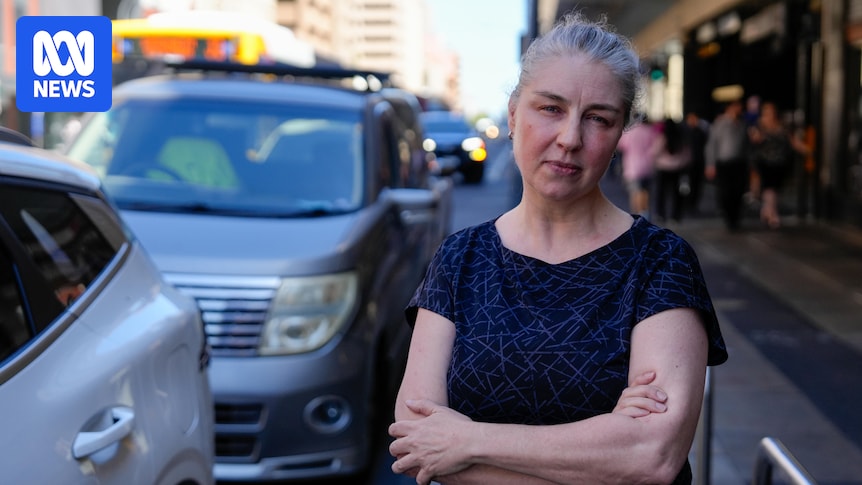
Adelaide resident Kate Treloar recounted her experience of receiving a parking fine while attempting a U-turn in a permit zone. “When we looked at the photo more closely, it was quite obvious what we were doing,” she explained. Despite the apparent misunderstanding, Ms. Treloar found the process of contesting the fine “tedious and frustrating,” although her expiation notice was eventually withdrawn.
Following the council’s decision to review the Park Safe vehicle’s operations, a City of Adelaide spokesperson emphasized the technology’s role in supporting parking and information officers. “The Park Safe vehicle and technology gathers information which is reviewed by trained staff who determine whether an expiation should be issued,” the spokesperson stated.
Debate Over Technology Versus Human Judgment
City councillor Keiran Snape, who is also running as an independent candidate for the seat of Adelaide, expressed concerns about the lack of human judgment in the system. “This car can’t necessarily tell the difference between someone who’s parked and someone who’s just moved off to the side,” he told ABC Radio Adelaide. He argued that while the technology is useful, it lacks fairness and the human element necessary for just enforcement.
Cr Snape shared another incident where a driver was fined after stopping briefly at a garage entryway. Despite acknowledging the technology’s utility, he stressed the need for fairness. “I’m not against the system… but there has to be an element of fairness and right now that just doesn’t exist in my opinion,” he added.
Analysis of Fines and Financial Implications
Council documents revealed that fines issued by the Park Safe vehicle in 2024-25 accounted for a third of the council’s total parking revenue. Out of 31,373 expiations issued last year, 7 percent were contested, with 1.8 percent successfully withdrawn. The council noted that the higher review rate for Park Safe-issued fines is expected due to the method of delivery and their higher value.
“The data shows the ratio of expiations issued via Park Safe that are withdrawn is lower than traditional approaches, demonstrating the accuracy of the technology,” the document states.
Suspending the Park Safe vehicle could lead to a budget shortfall of $1.6 million in 2025-26, according to the council’s agenda. The technology is also in use across major Australian cities including Brisbane, Logan, Ipswich, Gold Coast, and Geelong.
Political Reactions and Future Steps
Cr Snape raised additional concerns about the delay in receiving fines by mail, which complicates the process of contesting them. “It becomes really hard to actually challenge that, to have to go back and remember what the circumstances were that led you to that situation,” he said.
South Australian Premier Peter Malinauskas and Opposition Leader Ashton Hurn both commented on the issue, with Malinauskas expressing little surprise at the controversy and Hurn highlighting the high cost of parking in the city as a concern for residents.
As the review progresses, the City of Adelaide faces the challenge of balancing technological efficiency with fairness and transparency. The outcome of this review could set a precedent for how similar technologies are deployed in urban centers across Australia.