



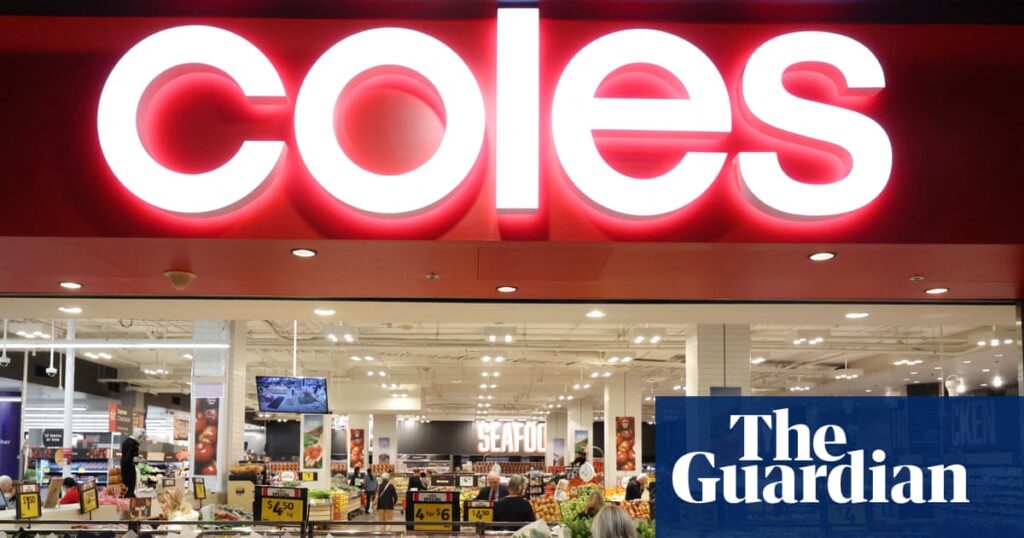
On the opening day of the high-profile legal battle between the Australian Competition and Consumer Commission (ACCC) and Coles, the supermarket giant’s infamous “Down Down” jingle echoed through the courtroom. The ACCC’s counsel highlighted the jingle’s memorable nature, noting its persistence in the public’s mind. The case, which wrapped up after a seven-day hearing, scrutinizes whether Coles misled consumers with its pricing tactics, a decision that could have far-reaching implications for the supermarket industry.
The legal proceedings focus on allegations that Coles employed misleading pricing practices, specifically through the use of temporary price hikes to create artificial “was” prices. This strategy, known as “was/is” pricing, allegedly allowed Coles to present subsequent discounts in its “Down Down” campaign as more significant than they were. The ACCC contends that this practice deceived shoppers into believing they were receiving a genuine bargain.
Key Allegations and Evidence
Central to the ACCC’s case is whether Coles made false representations about its prices. The regulator argues that by inflating prices temporarily, Coles could advertise a “discount” that was actually above the original long-term price. For instance, in one cited example, Coles sold 1.2kg cans of Nature’s Gift wet dog food at $4 for nearly a year, then raised the price to $6 for a brief period before advertising a “Down Down” price of $4.50.
Coles’ legal team countered that such instances were outliers and not representative of the broader pricing strategy. However, the ACCC identified at least 62 products where similar tactics were employed, with the “was” price set for less than 28 days.
Impact on Consumer Perception
The case also examines whether the overall impression of the “Down Down” campaign was deceptive. The ACCC presented evidence showing the significant impact of perceived discounts on consumer behavior. For example, sales of Karicare baby formula surged when advertised as discounted, highlighting the power of perceived bargains.
“Weekly sales revenue of the baby formula was $67,800 when advertised as being on sale, compared with $49,680 without the discount,” the court was told.
Industry and Economic Context
The ACCC’s litigation against Coles comes amid a backdrop of rising grocery prices and increased scrutiny of supermarket practices. Following a series of parliamentary inquiries, both Coles and Woolworths have faced criticism for their pricing strategies. The two chains dominate the Australian supermarket sector, controlling about two-thirds of the market.
Recent financial reports reveal expanding profit margins for both companies, raising questions about the disparity between supplier costs and consumer prices. Coles, for instance, has increased its supermarket business margins from 5.2% to 5.8%, surpassing pre-pandemic levels.
Legal Arguments and Future Implications
In court, Justice Michael O’Bryan questioned the relevance of the duration products were sold at initial prices before being marked as “was” prices. He suggested that the case should focus on the genuineness of the discounts rather than their historical pricing context.
The ACCC maintains that Coles deliberately misled consumers, while Coles argues that its pricing reflects genuine discounts amid rising supplier costs. Coles’ counsel emphasized the importance of understanding price fluctuations during periods of high inflation.
“What they would be concerned with, when they’re walking down the aisle trying to work out what to buy today for their shopping, is whether the claimed discount … was fair dinkum,” said John Sheahan KC, representing Coles.
The outcome of this case could set a precedent for pricing practices across the supermarket industry, with Woolworths also facing similar allegations. As the court deliberates, the decision will likely influence how supermarkets communicate discounts and pricing strategies to consumers in the future.
