




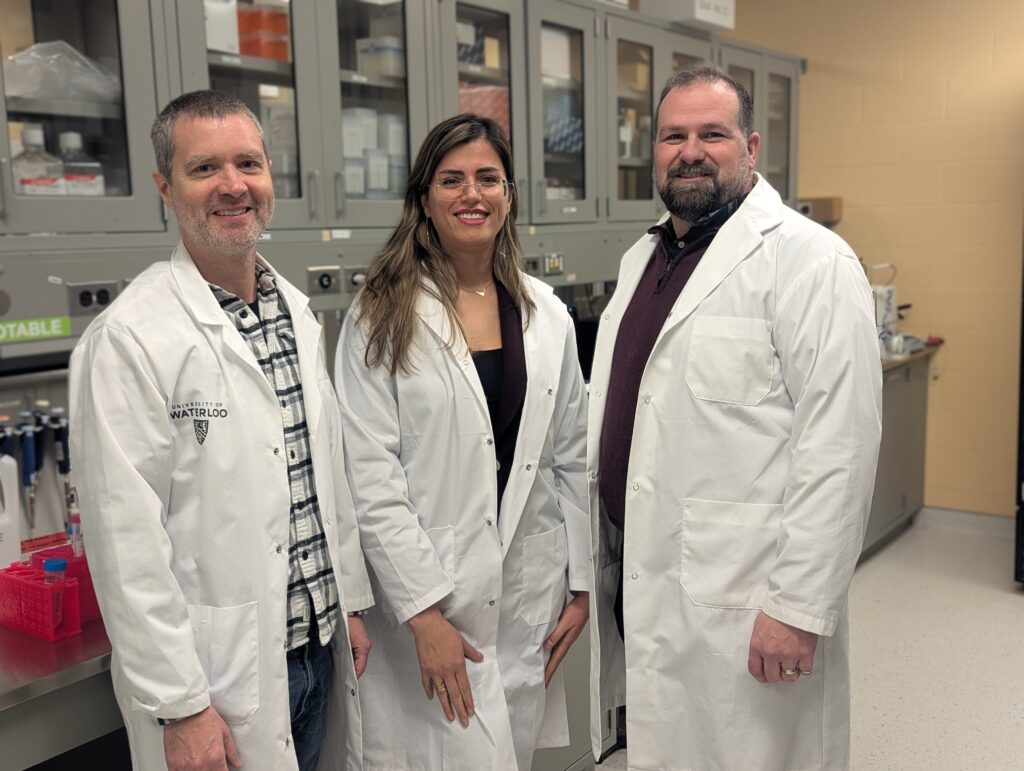
A groundbreaking study led by the University of Waterloo is exploring a revolutionary method to treat cancer by engineering bacteria to devour tumors from the inside. This novel approach could transform cancer treatment protocols, offering a more targeted and less invasive option.
“Bacteria spores enter the tumor, finding an environment where there are lots of nutrients and no oxygen, which this organism prefers, and so it starts eating those nutrients and growing in size,” explained Dr. Marc Aucoin, a chemical engineering professor at Waterloo. “So, we are now colonizing that central space, and the bacterium is essentially ridding the body of the tumor.”
The Science Behind the Innovation
The key to this innovative approach lies in the use of Clostridium sporogenes, a bacterium commonly found in soil that thrives in oxygen-free environments. The core of a solid tumor, often composed of dead cells, provides the perfect oxygen-free habitat for these bacteria to multiply.
However, the challenge arises when these cancer-eating bacteria reach the tumor’s outer edges, where they encounter low oxygen levels and die before fully eradicating the tumor. To overcome this, researchers have genetically modified the bacteria by adding a gene from a related bacterium that can better tolerate oxygen, allowing it to survive longer near the tumor’s periphery.
Quorum Sensing: Timing is Everything
The researchers employed a sophisticated technique known as quorum sensing to ensure the oxygen-resistant gene activates at the right moment. Quorum sensing involves chemical signals released by bacteria; only when a sufficient number of bacteria are present does the signal become strong enough to activate the gene, preventing premature activation in oxygen-rich areas like the bloodstream.
In one study, the team successfully demonstrated that Clostridium sporogenes could be modified to tolerate oxygen. A follow-up study tested the quorum sensing system by making the bacteria produce a green fluorescent protein, confirming the system’s functionality.
Interdisciplinary Collaboration and Future Steps
This promising research is the result of interdisciplinary collaboration at the University of Waterloo, involving engineers, mathematicians, and life scientists. The project was initiated by PhD student Bahram Zargar, under the supervision of Dr. Brian Ingalls and Dr. Pu Chen, a retired chemical engineering professor.
Dr. Brian Ingalls, a professor of applied mathematics at Waterloo, described the project as akin to building an electrical circuit, but with DNA instead of wires. “Each piece has its job. When assembled correctly, they form a system that works in a predictable way,” he said.
Waterloo researchers have partnered with the Center for Research on Environmental Microbiology (CREM Co Labs), a Toronto-based company co-founded by Dr. Zargar. The collaboration includes Dr. Sara Sadr, a former Waterloo doctoral student who played a leading role in the research.
Implications and Future Directions
The implications of this research are significant. If successful, this method could lead to more effective cancer treatments with fewer side effects compared to traditional therapies like chemotherapy and radiation. The next step involves combining the oxygen-resistant gene and the quorum-sensing timing mechanism into a single bacterium for testing in pre-clinical trials.
As the research progresses, it reflects a broader trend in medical science towards leveraging biotechnology for targeted therapies. The University of Waterloo’s emphasis on interdisciplinary health innovation is paving the way for future breakthroughs in cancer treatment.
The success of this project could potentially revolutionize how cancer is treated, offering hope to millions of patients worldwide. As researchers prepare for the next phase of trials, the medical community watches with anticipation, hopeful for a new era in cancer therapy.