

While internal divisions have long been the Victorian Liberal Party’s main obstacle to winning government, a new threat is emerging on its right flank: One Nation. Just four years ago, One Nation received a mere 8,077 lower house first-preference votes out of more than 3.6 million cast in Victoria—equivalent to 0.22% of the total—and secured a single seat in the upper house. However, recent polls suggest a significantly stronger showing in the upcoming state election, with One Nation commanding anywhere from 11% to as high as 26.5% of first-preference votes.
This development follows the final publicly reported poll of late 2025, which indicated only 4% support for a “minor right-wing party.” The latest polls, though, suggest a shift in voter sentiment, potentially reshaping the political landscape in Victoria. Despite the promising numbers for One Nation, significant caveats remain, including sample sizes, margins of error, and methodological limitations.
One Nation’s Strategic Focus
One Nation spent the summer campaigning vigorously against the Labor government’s bushfire response. In January, the party confirmed plans to field a candidate in each lower and upper house seat, marking its “biggest election yet” in Victoria. This strategic focus, combined with the polling surge, has put senior Liberals on edge.
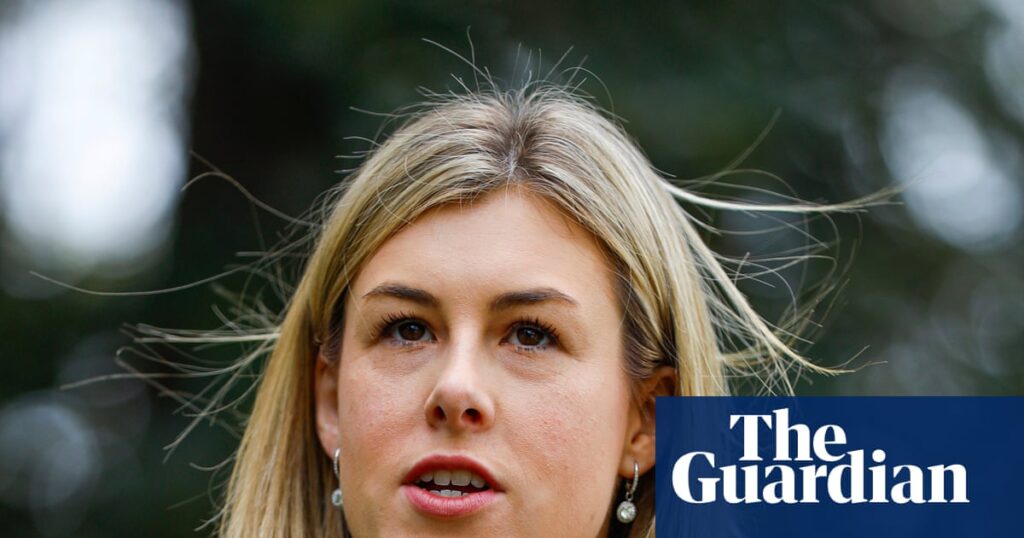
Former premier Jeff Kennett recently urged the Liberal Party to consider directing preferences to One Nation at the election and, if necessary, govern in minority with them, other minor parties, and independents. This suggestion has placed pressure on Liberal Party leader Jess Wilson to clarify her stance, though she has remained non-committal.
“Preference matters are always a matter for the party, and that will be a decision made much closer to the election,” Wilson stated, emphasizing her focus on securing primary votes for the Liberals and Nationals.
Internal Dynamics and Potential Defections
According to sources, the biggest impact of Liberal preferences will likely be on Labor-Greens contests rather than One Nation’s electoral chances. Many within the Liberal Party remain skeptical that One Nation can surpass the Coalition in first preferences. In most seats, where the main contest is between Labor and Liberals, One Nation’s votes would likely flow to one of the two major parties.
Meanwhile, internal dynamics within the Liberal Party are shifting. Preselection contests for upper house seats are expected to challenge more conservative MPs as part of efforts to consolidate the party’s centrist appeal. This has led to rumors of potential defections to One Nation, with Federal MP Barnaby Joyce revealing that multiple MPs from the Victorian Coalition had approached One Nation about switching allegiances.
“Of course those discussions are happening,” Joyce remarked, fueling speculation about possible defections.
Implications for Multicultural Communities
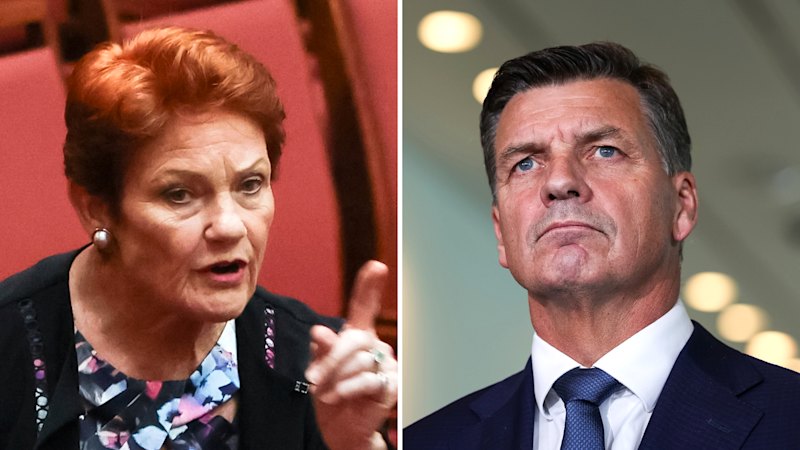
The potential rise of One Nation poses significant implications for Victoria’s multicultural communities. Labor has been quick to capitalize on this, with Premier Jacinta Allan accusing Wilson of “cosying up” to One Nation. At a recent parliamentary session, the Minister for Multicultural Affairs, Ingrid Stitt, linked Wilson to Pauline Hanson’s controversial statements, urging her to clarify her position.
“Jess Wilson refused to rule out cutting a deal with One Nation. Later that evening, Pauline Hanson went on a hateful and divisive tirade on national television,” Stitt stated, emphasizing Labor’s commitment to maintaining Victoria’s status as a “proudly multicultural and multifaith state.”
Liberal MPs are acutely aware of the risks of alienating multicultural communities, which the party has historically struggled to win over. As the election approaches, their decisions will be critical in determining their success in key inner-Melbourne seats, where Hanson is viewed as divisive.
As November’s election draws nearer, the Victorian Liberal Party faces a complex political landscape. Balancing internal unity with external challenges from One Nation and maintaining appeal among diverse communities will be crucial in determining their electoral fortunes.