




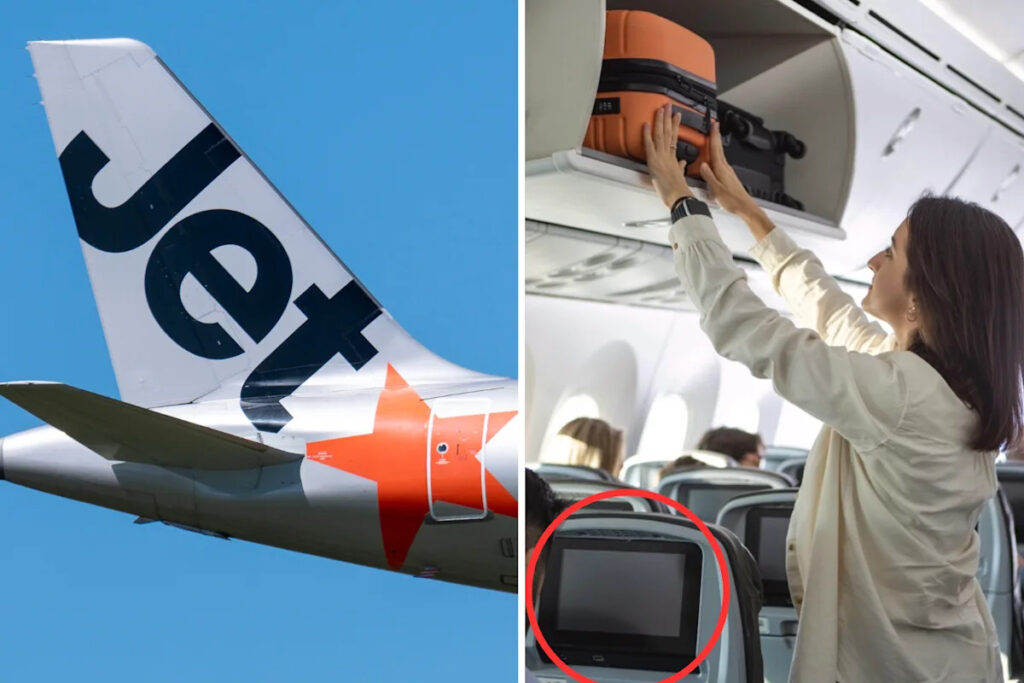
Jetstar is set to transform the in-flight experience on its long-haul international routes by removing seat-back screens from nearly a dozen Boeing 787 Dreamliners. Instead, the low-cost airline will introduce WiFi, allowing passengers to stream content on their personal devices, albeit for a fee.
The announcement comes as Jetstar seeks to offer more choice to passengers, who increasingly prefer using their own devices over pre-loaded airplane entertainment. “Jetstar has partnered with Viasat (the same provider as Qantas) to deliver fast satellite‑enabled Wi‑Fi on the revamped 787s,” the airline stated. Business Class passengers will enjoy complimentary WiFi and in-flight entertainment, while Economy customers can purchase access to WiFi on board.
Shift in In-Flight Entertainment Strategy
This move by Jetstar reflects a broader trend in the airline industry, where carriers are re-evaluating the traditional seat-back entertainment systems. According to Ted Knight, Jetstar’s head of network and fleet, the decision aligns with passenger preferences. “People are already bringing their devices. People don’t like using screens,” Knight explained. “Screens are low resolution. They’re not your own and everyone globally now is moving towards preference for their own devices and your own content.”
Jetstar’s decision to retrofit 11 Dreamliners in a Hong Kong factory is part of a strategic shift to cater to modern travelers. The first batch of these revamped aircraft is expected to arrive in Australia next month, ready to service both international and selected domestic routes.
Implications for Passengers
With the removal of seat-back screens, Jetstar passengers will need to rely on their personal devices for entertainment. While some fares will include entertainment access, others will require passengers to purchase WiFi to stream content. The exact cost of accessing WiFi or the entertainment system has not been disclosed by Jetstar.
For those flying on Jetstar’s A320 and A321 fleet, the airline currently offers Jetstar Entertainment+ for $8.99 per device, which connects passengers to the in-flight entertainment system but does not provide internet access. “The wireless signal your device receives is restricted to your aircraft, so it doesn’t give you access to the internet or social media,” Jetstar noted.
Industry Trends and Future Prospects
Jetstar’s overhaul of its in-flight entertainment system is part of a larger industry trend towards digital transformation. Many airlines are investing in WiFi and other digital services to enhance passenger experience and cater to the growing demand for connectivity.
Historically, airlines have been slow to adapt to technological changes, often lagging behind consumer electronics. However, the shift towards personal device usage is reshaping the in-flight entertainment landscape. As more airlines follow suit, passengers can expect a more personalized and flexible travel experience.
Meanwhile, Jetstar’s decision to increase Business Class seating from 21 to 44 seats while reducing Economy seats from 314 to 281 on its international routes suggests a strategic focus on attracting premium travelers.
As the first of these redesigned Dreamliners prepare to take to the skies, the airline industry will be watching closely to gauge passenger response and the impact on Jetstar’s competitive positioning.
Jetstar’s commitment to innovation and passenger choice marks a significant shift in its service offering, potentially setting a precedent for other low-cost carriers. The move represents a balancing act between cost efficiency and customer satisfaction, a challenge that airlines will continue to navigate in the evolving travel landscape.