




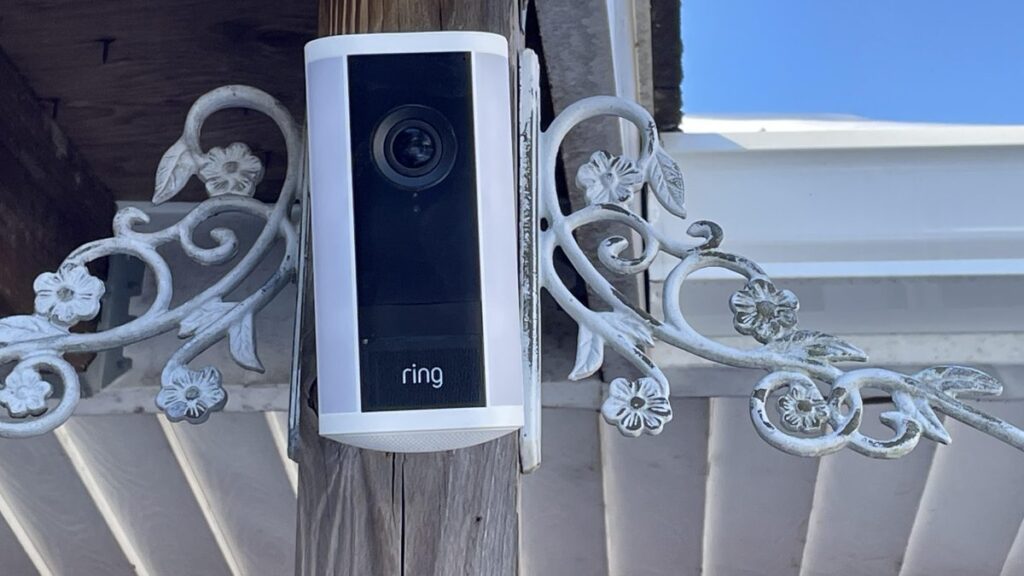
The Ring Spotlight Cam Pro (2nd Gen) has hit the market, promising ultra-high definition video with its new Retinal 4K technology. However, much like its predecessor, this model continues to place several features behind a subscription paywall. Priced at $249.99, it stands at the higher end of the outdoor security camera spectrum, but its 4K video quality might justify the cost for some users.
When the first generation was reviewed in 2022, it was praised for its 1080p video quality and third-party integrations. Yet, the requirement of a subscription for accessing video recordings was a point of contention. The latest model maintains this approach, requiring users to subscribe to access many of its advanced features, including AI-generated descriptions of recorded footage.
Design and Specifications: A Closer Look
The Ring Spotlight Cam Pro (2nd Gen) is available as a plug-in model, with options for hardwired or Power over Ethernet (PoE) versions. Its weather-resistant enclosure, available in white or black, measures 5.9 by 2.9 by 2 inches and features dual LED spotlights delivering 600 lumens of light. The camera’s front panel houses microphones, motion sensors, and a speaker, while the back includes a USB-C power port and mounting holes.
This model uses Ring’s Low Light Sight technology for color video in low-light conditions and Adaptive Night Vision for high-contrast black-and-white footage. It also employs radar-powered 3D Motion technology for precise detection, offering a Bird’s Eye View of visitor paths.
Comparative Analysis: Alternatives in the Market
For those seeking alternatives, the Reolink Altas PT Ultra offers similar 4K video capabilities with mechanical pan and tilt, priced at $209.99. It includes free local video storage and a solar charging option, providing a cost-effective solution for those not needing Ring’s specific features. Meanwhile, the EufyCam 3 offers a battery-powered option with integrated solar panels, priced at $549.99 for a two-pack.
The Reolink Altas PT Ultra offers sharp 4K video, mechanical pan and tilt, free local video storage, and a solar charging option, all for around $40 less than the Spotlight Cam Pro.
Subscription Plans and App Features: A Necessary Investment?
To unlock the full potential of the second-gen Spotlight Cam Pro, users must subscribe to a Ring Protect plan. The basic Solo plan costs $4.99 per month, offering 180 days of video history and smart alerts. The Multi plan, at $9.99 per month, supports multiple cameras and includes an extended warranty. For $19.99 per month, the AI Pro plan adds 24/7 professional monitoring and advanced AI features.
The camera integrates with the Ring mobile app, providing a dashboard for accessing live streams, motion alerts, and camera settings. However, it lacks support for Apple HomeKit and Google Assistant, which could be a drawback for some users.
Installation and Performance: Delivering on Promises
Installation of the Spotlight Cam Pro is straightforward, requiring just a few steps in the Ring app. Once installed, the camera delivers exceptional 4K video quality. Daytime footage is vibrant, and nighttime black-and-white video maintains sharp contrast. Motion alerts are prompt, and AI-generated descriptions are precise, enhancing the user experience.
“The Spotlight Cam Pro delivered outstanding 4K video in my tests. Daytime colors popped and showed excellent detail, and black-and-white video was sharp with good contrast.”
While the camera excels in video quality, the reliance on a subscription model for accessing core features remains a significant consideration for potential buyers. As the market for smart home security continues to evolve, consumers must weigh the benefits of high-definition video against the ongoing costs of subscription services.
In conclusion, the Ring Spotlight Cam Pro (2nd Gen) offers cutting-edge technology and superior video quality, but its value proposition is closely tied to the necessity of a subscription plan. As users navigate the landscape of smart home security, the decision ultimately hinges on individual priorities and budget considerations.