




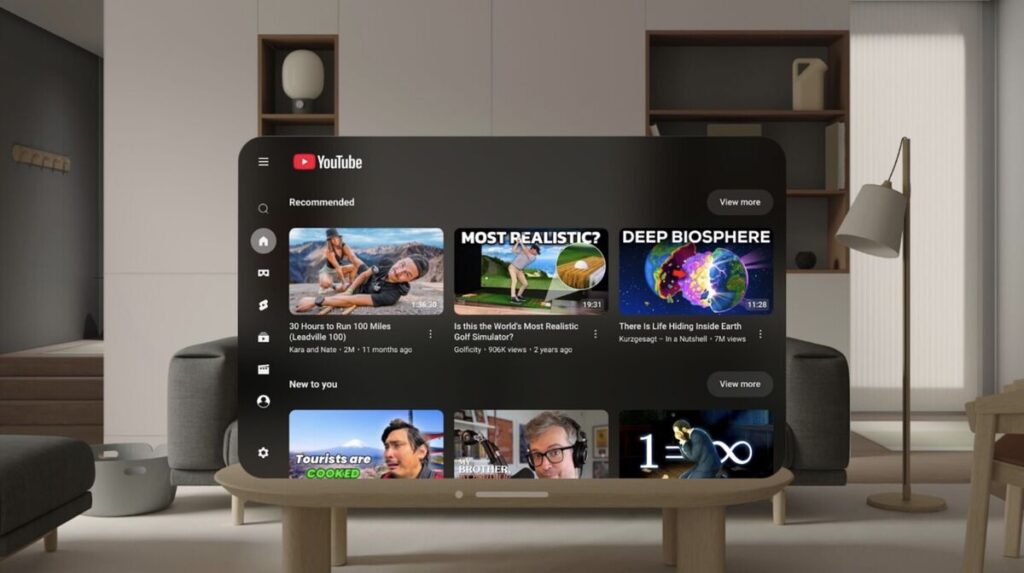
Alphabet Inc.’s YouTube has launched a dedicated app for Apple Inc.’s Vision Pro, addressing a significant gap in the headset’s entertainment offerings two years after the device’s initial release. The app, released on Thursday, mirrors the YouTube version available on Samsung Electronics Co.’s Galaxy XR, which operates on Google’s Android XR platform.
The new app grants Vision Pro users full access to YouTube’s vast library, featuring billions of videos and supporting 3D content playback, as well as immersive 180-degree and 360-degree clips. This development enhances the Vision Pro’s appeal in the competitive landscape of virtual reality headsets.
Background and Context
Apple’s Vision Pro, introduced two years ago, was initially met with enthusiasm for its cutting-edge technology and potential to revolutionize the way users interact with digital content. However, the absence of a YouTube app was a notable drawback, limiting the device’s utility for entertainment purposes. This gap was particularly evident given YouTube’s status as a leading platform for video content, including VR and 3D experiences.
The Vision Pro’s initial launch was part of Apple’s broader strategy to penetrate the virtual and augmented reality markets, sectors that have seen rapid growth and intense competition. Companies like Meta Platforms Inc. and Samsung have been advancing their own VR offerings, often integrating popular apps like YouTube early in their product life cycles.
Expert Opinions and Market Implications
Industry experts suggest that the introduction of the YouTube app could significantly boost the Vision Pro’s market presence. According to technology analyst Sarah Thompson, “The addition of YouTube is a critical enhancement for the Vision Pro. It not only broadens the device’s entertainment capabilities but also aligns Apple more closely with consumer expectations for VR headsets.”
Thompson further notes that the move might influence other content providers to develop applications for the Vision Pro, potentially leading to a more robust ecosystem. “As more apps become available, the Vision Pro could see increased adoption, especially among users who value a comprehensive multimedia experience,” she added.
Historical Parallels and Future Prospects
The delay in YouTube’s availability on the Vision Pro echoes similar scenarios in tech history, where platform exclusivity or delayed app releases have impacted device adoption. For instance, the initial lack of certain popular apps on early Android devices slowed their uptake compared to Apple’s iPhone, which boasted a rich app ecosystem from the start.
Looking ahead, the Vision Pro’s expanded capabilities could pave the way for further innovations in Apple’s VR and AR offerings. The company has been rumored to be working on additional features and hardware updates that could integrate seamlessly with the YouTube app, enhancing user experiences in new and exciting ways.
“The integration of YouTube into the Vision Pro is a pivotal step for Apple, potentially setting the stage for future advancements in their VR technology,” remarked tech strategist Michael Lee.
As Apple continues to refine its VR strategy, the Vision Pro’s enhanced entertainment options may well position it as a formidable competitor in the rapidly evolving virtual reality market. The tech community will be watching closely to see how this development influences both consumer interest and the broader VR landscape.