



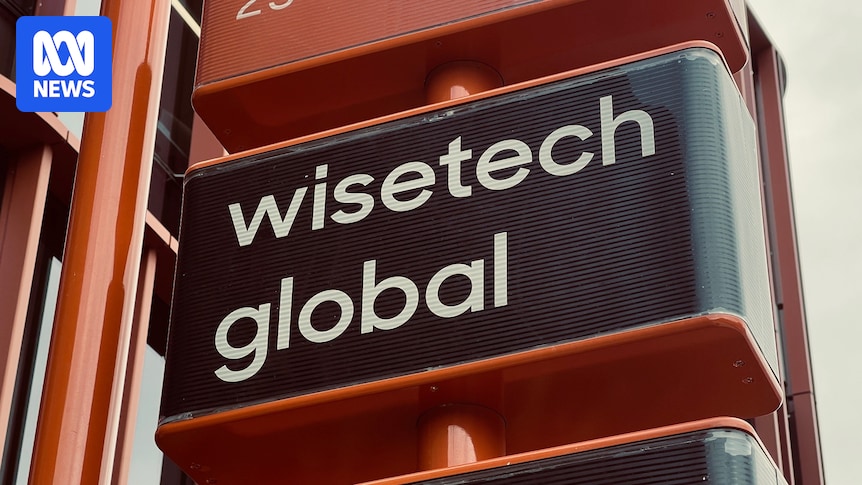
Massive layoffs driven by artificial intelligence are intensifying for local firms, with logistics software company WiseTech Global planning to cut approximately 2,000 jobs over the next 18 months. The company, which operates across 40 countries, announced that some teams would see their workforce reduced by half, affecting about 29 percent of its global staff.
Addressing analysts during a results briefing, WiseTech’s CEO, Zubin Appoo, described the move as part of a “deliberate AI transformation journey.” He stated, “Software development has experienced its most significant shift in decades.” The transition is expected to result in a “leaner, more efficient AI-led organization supporting a structurally lower cost base and improved scalability.”
Impact on Workforce and Operations
WiseTech currently employs about 7,000 people globally, a figure that surged following a significant acquisition that more than doubled its headcount. The job cuts will primarily impact customer service and product development teams, with forecasts indicating up to a 50 percent reduction in these areas.
The initial phase of 2,000 job cuts is planned for the remainder of this financial year and into the 2027 financial year, but further restructuring is anticipated. “As AI capability continues to advance, we expect further efficiency gains over time,” Appoo noted during the briefing.
“In the AI workflow engine, they want to understand how we can help reduce labor substantially, as [founder Richard White] said, by potentially 50 percent over the next few years by replicating parts of that workflow.”
Already, more than 500 roles have been eliminated in the current financial year. Despite the layoffs, investors reacted positively, with WiseTech’s stock rising 11.1 percent on the ASX on Wednesday.
Financial Performance and Historical Context
WiseTech reported a 36 percent decline in statutory net profit. However, excluding acquisition impacts, the underlying profit increased by 2 percent to $US114.5 million ($161 million). This financial update comes after a turbulent period for the company, marked by governance issues and leadership changes.
Following personal scandals, co-founder Richard White stepped down as CEO, prompting a governance review. The review uncovered that White had misled the board regarding several relationships, findings which he accepted. White continues to serve as executive chair and chief innovation officer.
In October, WiseTech’s Sydney offices were searched by the Australian Federal Police and ASIC over share trading allegations, adding to the company’s recent challenges.
Industry-Wide Shift Towards AI
Meanwhile, the trend of AI-driven workforce restructuring is not unique to WiseTech. The Commonwealth Bank of Australia (CBA) announced plans to cut 300 jobs, primarily affecting technology roles. This decision comes despite the bank posting over $5 billion in half-yearly profits.
The Finance Sector Union (FSU) criticized the cuts, with national secretary Julia Angrisano stating, “At a time when CBA has just posted over $5 billion in half-yearly profit, cutting the jobs of 300 workers is totally unacceptable.”
In tandem with the layoffs, CBA launched a $90 million ‘Future Workforce Program’ aimed at preparing employees for an AI-driven future. The program includes a career portal to help staff find new opportunities within the bank.
“Hopefully it will accelerate many people’s careers within CBA,” said CEO Matt Comyn.
Future Implications and Analysis
The wave of AI-induced job cuts at WiseTech and CBA underscores a broader industry shift towards automation and efficiency. As AI technologies continue to evolve, companies are likely to pursue similar restructuring strategies to remain competitive.
Experts suggest that while AI can enhance operational efficiency, it also necessitates a reevaluation of workforce strategies and employee roles. Organizations may need to invest in retraining and upskilling programs to ensure their workforce remains relevant in an increasingly automated environment.
As WiseTech and other companies navigate this transformation, the balance between technological advancement and workforce sustainability will be critical. The coming years will likely see further developments in how AI reshapes industries and job markets globally.