



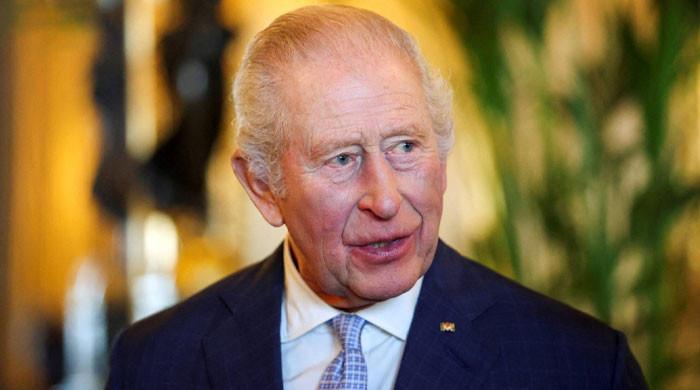
King Charles, in his ongoing efforts to foster inclusivity among the diverse communities of the United Kingdom, found himself at the center of controversy after issuing a message intended to promote peace. The monarch had extended a special greeting to the Muslim community in the UK and across the Commonwealth to mark the beginning of Ramadan, a gesture that was met with mixed reactions.
The announcement, which was part of the Palace’s tradition of acknowledging key religious dates, was appreciated by many. However, it also sparked dismay among some social media users who felt that the timing overshadowed Ash Wednesday, the start of Lent, a significant period for Christians.
Social Media Backlash
Following the King’s message, social media platforms buzzed with reactions. One Instagram user reminded, “Today marks Ash Wednesday, the beginning of Lent – a season of reflection, prayer, and service.” Another user exclaimed, “YOU ARE A CHRISTIAN NATION,” while others pointed out the King’s role as the head of the Church of England.
Comments ranged from disappointment to reminders of the monarch’s responsibilities. “It’s Ash Wednesday tomorrow your Majesty. Everything has gone to pot since the passing of our beloved Queen Elizabeth,” lamented one user, reflecting a sentiment of change since the Queen’s passing.
Buckingham Palace’s Response
In response to the uproar, Buckingham Palace swiftly released another statement from King Charles. This time, the message acknowledged the Christian tradition of Ash Wednesday, marking the start of Lent, a 40-day period of penitence leading up to Easter.
“Today marks Ash Wednesday, the beginning of Lent – a season of reflection, prayer, and service. May this Lent be a time of renewal for all who observe it,” the statement read.
The follow-up message seemed to placate many of the critics, as social media users noted that the initial strong reactions were perhaps unnecessary. “See you guys got our post. Now you can all relax [sic],” one user commented.
Historical Context and Expert Opinions
The incident highlights the delicate balance the monarchy must maintain in a multicultural society. The British monarchy has historically been intertwined with the Church of England, a relationship that dates back to the English Reformation in the 16th century. As the “Defender of the Faith,” the monarch’s role has traditionally been to uphold Christian values.
However, the UK has evolved into a diverse society with significant populations of various faiths. Dr. Emily Carter, a historian specializing in British monarchy and religion, commented, “The monarchy’s role in modern Britain is complex. While it remains a symbol of continuity for many, it must also reflect the country’s diversity.”
This incident is not the first time the monarchy has navigated religious sensitivities. In recent years, there has been a conscious effort to acknowledge various faith traditions, reflecting the changing demographics of the UK and the Commonwealth.
Implications and Future Considerations
The swift response from Buckingham Palace suggests an awareness of the need to address and respect all communities. This incident may prompt further discussions about the monarchy’s role in a multicultural society and how it can continue to represent all its subjects effectively.
Looking ahead, King Charles’s approach to inclusivity will likely be closely watched. As the UK continues to navigate its identity in a global context, the monarchy’s ability to adapt and embrace diversity will be crucial.
In conclusion, while the initial backlash highlighted tensions, the subsequent response demonstrated a commitment to inclusivity and respect for all traditions. As the world becomes increasingly interconnected, such gestures of goodwill, when balanced appropriately, can serve to unite rather than divide.