




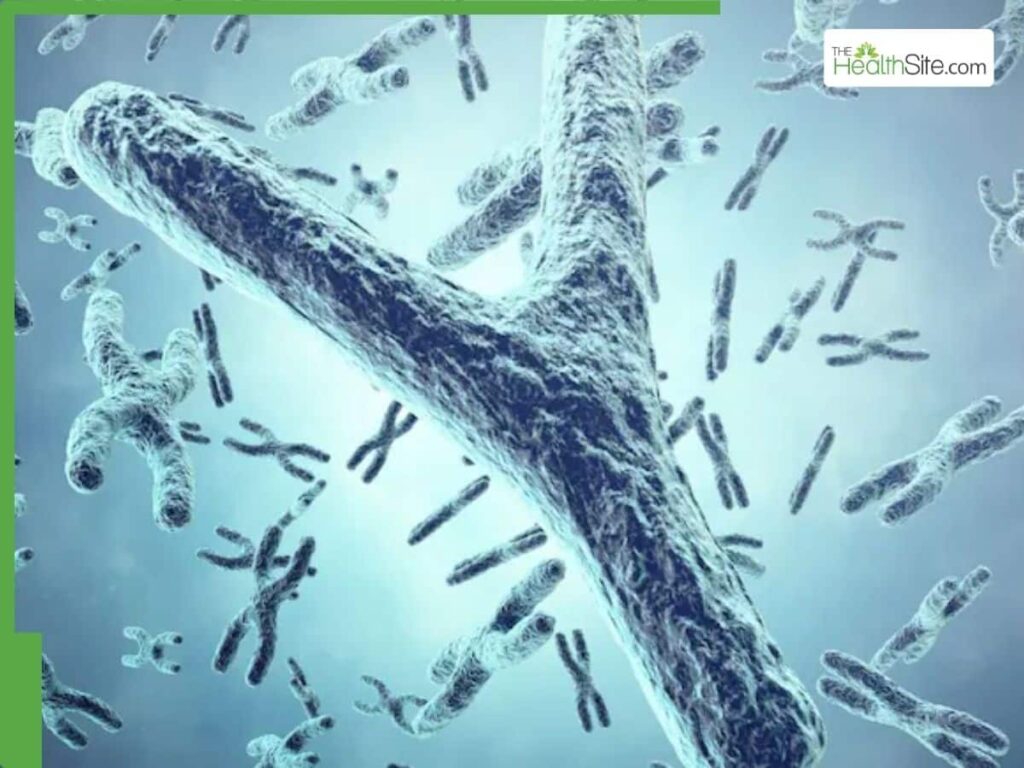
As men age, the loss of Y chromosomes—a condition known as mosaic loss of Y (LOY)—may significantly impact their health, increasing the risk of heart disease, cancer, and reducing life expectancy. Recent research sheds light on this genetic phenomenon and its potential consequences for men’s health.
Studies suggest that as men grow older, genetic changes such as LOY may influence their overall health and longevity. Researchers are delving into how this common biological alteration might contribute to age-related diseases and increased mortality risk.
Understanding Y Chromosome Loss
The Y chromosome is one of the two sex chromosomes that determine biological sex in males, typically represented as XY. Although smaller and containing fewer genes than other chromosomes, the Y chromosome plays a crucial role in immune response and cellular stability. As men age, some of their blood cells may lose the Y chromosome, a condition that becomes more prevalent with advancing age. Research shows that by age 70, a significant percentage of men experience Y chromosome loss in their blood cells.
Source: International Journal Of Molecular Science
The Prevalence and Risk Factors of LOY
LOY is among the most common genetic mutations in aging men. While it does not produce immediate symptoms, its incidence increases with age. Factors such as smoking, environmental exposures, and genetic predispositions may heighten the risk of Y chromosome loss. Experts caution that LOY is not merely a benign marker of aging but may have serious health implications.
Health Consequences of Y Chromosome Loss
Research has linked the loss of critical segments of the Y chromosome to a heightened risk of several age-related diseases, including:
- Cardiovascular disease
- Certain cancers
- Alzheimer’s disease
- Weakened immune function
Scientists suggest that the Y chromosome may regulate immune responses, and its loss could compromise the body’s ability to fight disease and inflammation. This weakened immune function could partly explain why men generally have shorter lifespans than women.
Source: International Journal Of Molecular Science
Furthermore, researchers have associated LOY with increased overall mortality rates, suggesting it may serve as a biomarker for accelerated biological aging.
Can Y Chromosome Loss Be Prevented?
Understanding Y chromosome loss could aid physicians in identifying men at higher risk for age-related diseases. Future blood tests might detect LOY early, enabling personalized health management and prevention strategies. This research also contributes to the broader inquiry into why men tend to die earlier than women, with genetics, lifestyle, and endocrine differences being contributory factors. Y chromosome loss might be a crucial, overlooked piece of this puzzle.
Currently, there is no direct method to prevent mosaic loss of the Y chromosome. However, maintaining general health may reduce genetic damage risk factors. Experts recommend:
- Avoiding smoking
- Managing stress
- Consuming a balanced, nutritious diet
- Exercising regularly
- Undergoing periodic health checkups
While aging is inevitable, healthy lifestyle choices can delay biological aging and mitigate genetic alterations. The loss of the Y chromosome in aging men is not just a genetic curiosity but may directly contribute to lower life expectancy and increased health risks.
Looking Ahead: Research and Implications
As research progresses, scientists hope to gain deeper insights into the effects of Y chromosome changes on men’s health and explore ways to help men live longer, healthier lives. The findings underscore the importance of continued investigation into genetic factors influencing aging and disease.
Ultimately, understanding the role of Y chromosome loss in aging could lead to breakthroughs in preventive healthcare and improve the quality of life for men worldwide.