


A Victorian coroner has identified several missed opportunities in the medical treatment of James Tsindos, a Melbourne teenager who died in hospital following a severe allergic reaction to a delivery meal. The findings, delivered during an emotional hearing attended by over 20 family and friends, have sparked calls for improved allergy management and food labeling practices.
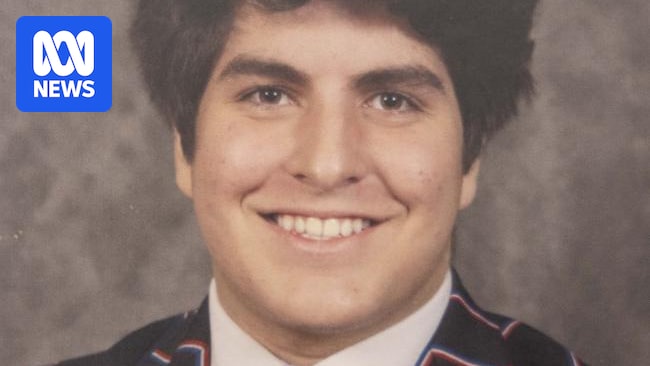
James Tsindos, remembered as a “vibrant, happy and healthy” teenager and a talented pianist, died in 2021 after consuming a vegan burrito bowl that contained cashew sauce. Despite being known to have a nut allergy and asthma, James had never been diagnosed with anaphylaxis or prescribed an EpiPen. His father called emergency services, and James was rushed to Holmesglen Private Hospital, receiving two doses of adrenaline en route. However, upon arrival, his condition rapidly deteriorated, leading to cardiac arrest and significant brain damage. He was later transferred to the Alfred Hospital, where life support was withdrawn on June 1.
Coroner’s Findings and Missed Opportunities
Coroner Sarah Gebert’s inquest explored whether improved medical treatment could have saved James’s life. The coroner considered whether a wheeze detected by paramedics should have prompted a more urgent triage upon his arrival at the hospital. Additionally, the court heard that James’s wheezing was misinterpreted as asthma, rather than a sign of recurring anaphylaxis, delaying the administration of a crucial third dose of adrenaline.
Despite these missed opportunities, Coroner Gebert stated she could not definitively conclude that more urgent treatment would have saved James. However, she noted that an earlier administration of the third adrenaline dose would have improved his chances of survival. “There was no hint, based on his presentation at that time, that within 20 minutes James would be unconscious,” she said, acknowledging the complexity of the case.
Broader Implications and Recommendations
The coroner’s report highlighted a concerning statistic that over 12 percent of young people with nut allergies experience inadvertent exposure within a five-year period. The vegan meal James ordered was labeled as containing “cashew cheese,” which the coroner suspected he might have presumed to be made solely of cheese. This incident underscores the growing issue of anaphylaxis triggered by vegan dishes ordered online.
In response, Coroner Gebert issued eight recommendations, including improved triage handover procedures between paramedics and hospitals, and the development of new medical guidelines for treating asthma and anaphylaxis. She also urged the Department of Health to enhance safety measures around vegan and plant-based food substitutes, suggesting consumer education and better labeling practices.
Expert Opinions and Historical Context
Experts in allergy management have long advocated for increased awareness and education around food allergies, particularly in the context of the growing popularity of plant-based diets. Dr. Emily Carter, an allergist, emphasized the importance of clear labeling and consumer education. “With the rise of vegan and plant-based foods, it’s crucial that consumers are aware of potential allergens,” she said.
Historically, allergic reactions have been a significant public health concern, with numerous cases highlighting the need for better preventive measures. The tragic death of James Tsindos adds to this narrative, calling for systemic changes to prevent similar incidents in the future.
Family’s Response and Future Steps
Outside the court, Shari Liby, the lawyer representing the Tsindos family, described James’s death as a “tragedy” but expressed hope that the coroner’s recommendations would lead to improved safety for others. “So while our family home is no longer filled with the sound of James at the piano, we do feel some gratitude to know that his death has not been in vain,” she said.
The coroner’s recommendations now place the onus on health authorities and food industry stakeholders to implement changes that could save lives. As the community mourns the loss of a promising young life, the focus shifts to ensuring that such a tragedy does not recur.