

As South Australia gears up for its state election, both major parties are grappling with the unexpected rise of One Nation, which is now polling ahead of the Liberal Party in primary votes. This development is being closely monitored by political analysts nationwide as it could signal a broader right-wing surge across Australia.
The current situation is reminiscent of the 2018 election when the SA-Best party, led by former senator Nick Xenophon, posed a similar challenge. Back then, major parties managed to counter Xenophon’s momentum by scrutinizing his policies. This historical parallel raises questions about how Labor and Liberal strategists might respond to One Nation’s growing influence.
Strategic Responses to One Nation’s Emergence
Former ABC chief elections analyst Antony Green has drawn comparisons between One Nation and the earlier SA-Best phenomenon. He noted,
“Will the other parties just tend to ignore One Nation or attack them directly? With Nick Xenophon, they attacked Nick Xenophon; I’m not sure whether they’ll do that with One Nation or whether they’ll just try to ignore them and keep them out of the campaign.”
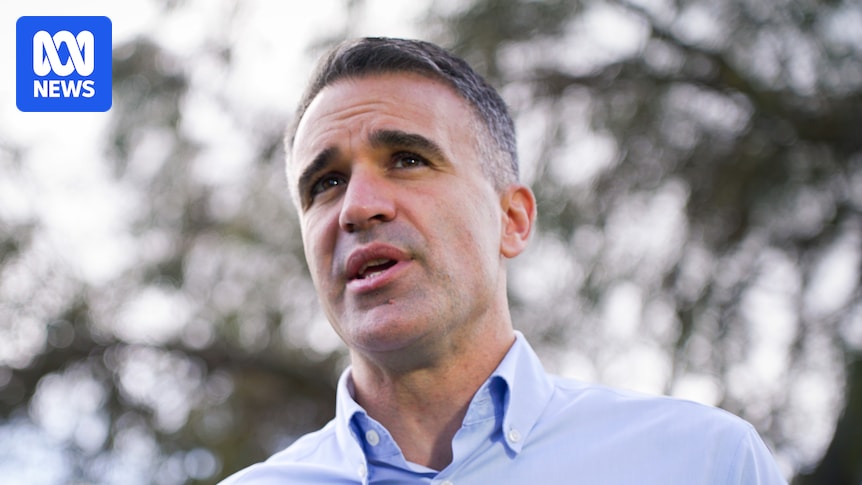
There are signs that the major parties are choosing to confront One Nation directly. Premier Peter Malinauskas recently addressed the issue during a business lunch, acknowledging One Nation’s rise in the polls and questioning their long-term viability. His remarks sparked a wave of media coverage and criticism from both the Greens and One Nation.
The Liberal Party’s Struggle for Visibility
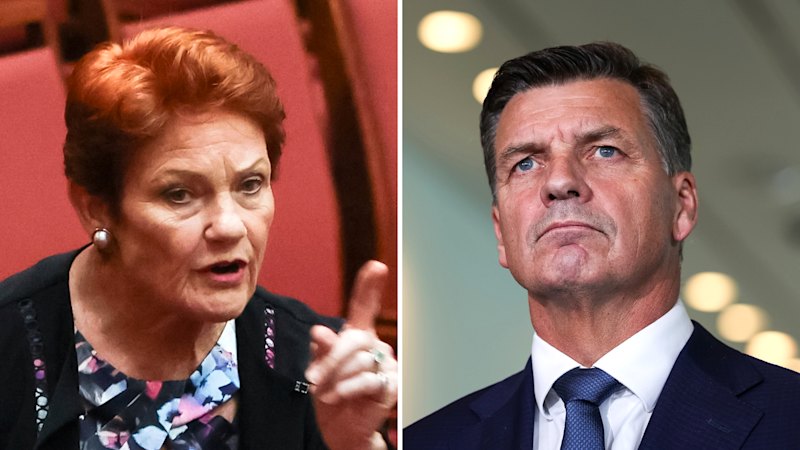
While Premier Malinauskas’s comments have captured public attention, Liberal leader Ashton Hurn is finding it challenging to gain similar traction. Her leadership tenure began amid significant distractions, including the Bondi terror attack and the Adelaide Oval Test, which diverted public focus away from her political messaging.
The cancellation of Adelaide Writers’ Week further complicated the political landscape, overshadowing both Labor and Liberal announcements. This was followed by internal turmoil within the federal Coalition, which adversely affected the Liberal Party’s brand.
Hurn has expressed her focus on South Australian issues, stating,
“Canberra is Canberra. I think Canberra is a bit of a shambles at the moment, but from my perspective, I’m just focused on South Australians.”
However, her efforts to shift the narrative have been hampered by a series of high-profile events that have favored the incumbent government.
Major Events and Political Implications
Recent events have provided Premier Malinauskas with opportunities to highlight his administration’s successes. The LIV Golf tournament drew a record crowd, and the announcement of the MotoGP’s relocation to South Australia further boosted the government’s profile. These developments have made it difficult for the opposition to gain a foothold in the public discourse.
As the election approaches, the Liberal Party faces the challenge of balancing support for major events while critiquing the government’s performance. Hurn has emphasized the need to address critical issues like the health system, stating,
“Whilst events are fantastic for the vibrancy, we also need to focus on the important things as well, like the health system which is crumbling.”
Looking Ahead
With just weeks remaining before the election, Ashton Hurn and the Liberal Party will need to find effective strategies to counter the rising political tide. The outcome of this election could have significant implications for the future of South Australia’s political landscape and the broader national context.
As the campaign unfolds, all eyes will be on how the major parties navigate the challenges posed by One Nation’s emergence and whether they can effectively communicate their vision to the electorate.