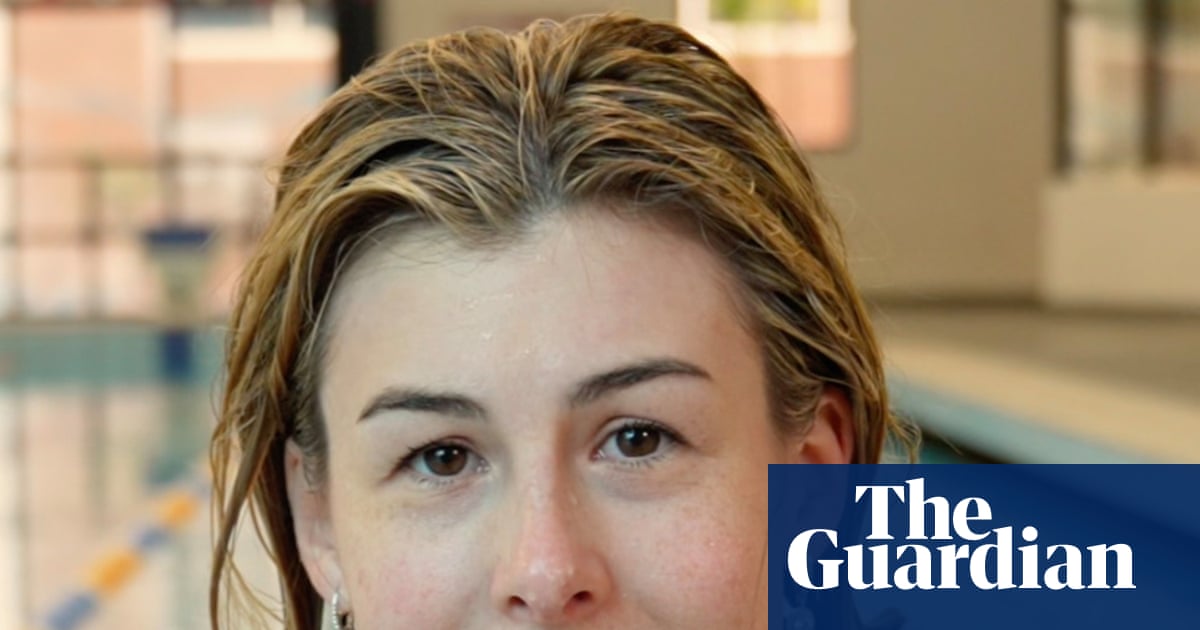



“She is going to die. This can’t be it.” These words echo the desperation Deanne De-Meer Brown felt during one of the darkest periods of supporting her daughter through an eating disorder. Her daughter, Jordynn, was frequently hospitalized at Perth Children’s Hospital, where Deanne and her then-husband often questioned if this was the extent of available treatment options.
While there have been improvements since then, including the opening of new community-based clinics, a crucial component remains missing—a residential eating disorder clinic. Next month, a new clinic is set to open near Mandurah, but the absence of a residential facility continues to be a significant gap in Western Australia’s healthcare system.
The Revolving Door of Treatment
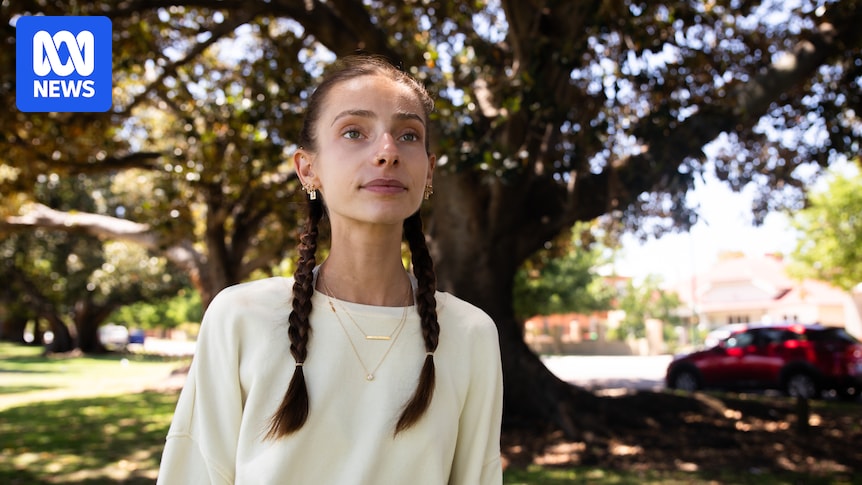
Jordynn Brown, now 19, describes her treatment journey as a “revolving door” of hospital stays and relapses between the ages of 13 and 17. Hospital treatment primarily focused on physical stabilization, with minimal mental health support. Although she gained weight, Jordynn was not equipped with the mental tools to cope with her changing body.
“By sending me home and not being able to cope with the new body I was in, and I hadn’t made any mental improvements, I was just physically restored,” Jordynn explained. Ultimately, she and her mother made the tough decision to seek treatment at one of the few residential eating disorder clinics in Queensland, a decision that required Jordynn to leave her family behind.
“She essentially had to leave her family behind,” Ms. De-Meer Brown said. “And being so unwell, mentally and medically not doing so well, and then to have to send her all the way over there on her own was really, really hard.”
The trip, which included about three months of intensive care and treatment funded by the family, proved invaluable. “We did things like go grocery shopping, we ate meals together, we went out for breakfasts and lunches and dinners,” Jordynn said, emphasizing the importance of these experiences for long-term recovery.
Political Roadblocks and Funding Challenges
The absence of a residential clinic in Western Australia is partly attributed to political challenges. In 2019, under a Coalition government, then-federal health minister Greg Hunt announced funding for six clinics nationwide, including $4 million for one in WA. However, by 2023, WA remained the only state without a clinic planned or built under this program.
WA Health Minister at the time, Amber-Jade Sanderson, argued that the allocated funds were insufficient and that the state government had not been consulted. She requested the funds be redirected to expand eating disorder services in the Peel region, resulting in the establishment of the Kara Maar Specialist Community Eating Disorder Service, which is set to welcome its first patients next month.
“The beauty of this project is it really does create a setting that feels comfortable, that feels safe, and that isn’t in the hospital system,” Health Infrastructure Minister John Carey said.
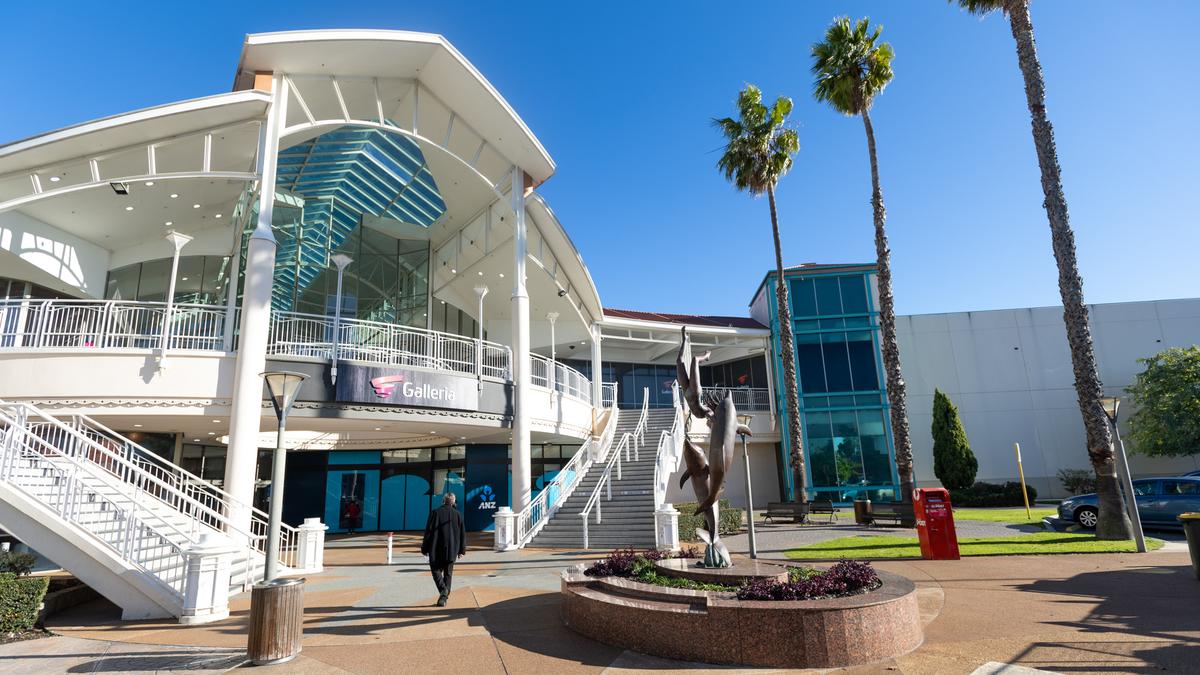
The facility is strategically located alongside a community mental health service, away from hospitals and adjacent to a shopping center. “It allows us to keep people out of ED,” Peel Mental Health Services program manager Jan Battley noted. “It allows us to keep people out of inpatient units, and when they come out, they come back into a service that holds them and hopefully they don’t go back.”
Looking Forward: The Need for Residential Care
Jordynn hopes to benefit from these services, but her ongoing recovery means she is not yet eligible for outpatient clinic offerings. Health Minister Meredith Hammat highlighted the importance of outreach and family services during a press conference about the facility.
“There’s a variety of ways that people can receive treatment, whether that’s for broader mental health concerns, or whether it’s for eating disorders,” she said. “And having outreach services, family services, is a really important part of that.”
Last year’s state budget allocated $5 million for planning a residential facility, fulfilling an earlier election promise. “The Mental Health Commission is leading that work, consulting with stakeholders, and so we’ll continue to do the work to plan a facility that allows for there to be residential treatment,” Ms. Hammat stated, though she could not provide a timeline for completion.
Calls for Urgent Action
Opposition health spokesperson Libby Mettam criticized the delay, calling it “inexcusable.” She argued that Western Australian families resorting to interstate travel for intensive services signifies a governmental failure to prioritize this critical area.
“For Western Australian families to be [resorting] to travelling interstate for this intensive service represents an absolute failure of this government to get their priorities right in this area,” she said.
Meanwhile, Deanne De-Meer Brown continues to rely on a support team, including a recovery coach, psychologist, GP, and dietician, to aid Jordynn’s recovery. “And it’s good, but if she lapses again, we need somewhere she can go,” she emphasized, highlighting the ongoing need for a local residential facility.
The absence of such a facility leaves families like the Browns with pressing questions for the government. “Can’t they be bothered? Haven’t they got the right people in the job?” Ms. De-Meer Brown questioned. “Who is advising them? Is it just too hard? Do you expect us to travel interstate? I don’t know. I don’t understand it.”