




Police in New South Wales have made a significant breakthrough in a series of historical sexual assault cases, thanks to cutting-edge DNA technology. The same forensic investigative genetic genealogy (FIGG) method that unmasked the notorious “Golden State Killer” in the United States has led to the arrest of a 77-year-old man in connection with assaults dating back to the 1990s.
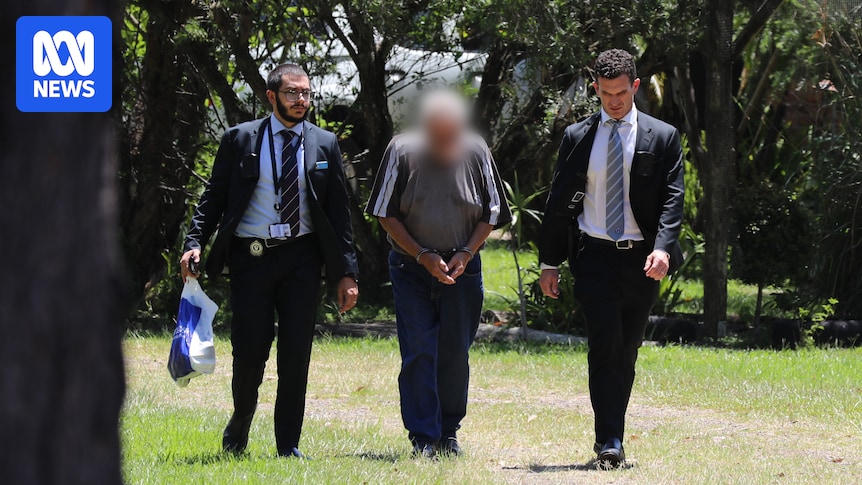
Sex Crimes Squad detectives apprehended Robert Kwan in South Kempsey on Wednesday. The alleged assaults occurred in Wollongong, Dubbo, and Sydney, and were revisited using FIGG technology, which matches crime-scene DNA with public databases to identify suspects through distant relatives.
Detective Superintendent Jayne Doherty, commander of the Sex Crimes Squad, highlighted the significance of this arrest, marking it as the first time NSW Police have utilized this technology to apprehend a suspect. “It’s a breakthrough technology,” she stated.
“The greater we can build up these DNA databases, the more people that allow us to access their DNA, the more of these unsolved crimes we can have an impact on. You could be helping us to solve those serious violent crimes.”
Decades-Long Case Reopened
The alleged attacks span over 35 years, beginning in 1991 when an 11-year-old girl was abducted and assaulted in the Western Sydney suburb of Glendinning. In 1996, a 16-year-old girl was similarly attacked after accepting a ride from a stranger in Kanahooka, Wollongong. The man allegedly assaulted her before leaving her in Warrawong. The most recent case involved a 26-year-old woman in Dubbo, who was assaulted in 2002 after being driven to a remote campsite by an unknown assailant.
In 2022, a review of these incidents revealed that DNA samples from each crime scene matched a single male profile. Using FIGG, investigators identified a close relative of the suspect by comparing his DNA with results from public genealogy databases GEDmatch and FamilyTreeDNA.
Following his arrest, Mr. Kwan has been charged with multiple counts of sexual assault and kidnapping. In an online bail court appearance, his defense did not apply for bail but indicated they would do so in the coming weeks. Mr. Kwan was denied bail and is scheduled to appear in Kempsey court in April.
Technology’s Proven Track Record
FIGG technology first gained widespread attention in 2018 with the arrest of Joseph James DeAngelo, the “Golden State Killer.” DeAngelo, a former police officer, was linked to 13 murders and over 50 rapes through DNA comparisons with public genealogy websites.
Detective Superintendent Doherty explained the advantages of FIGG over traditional DNA methods, which only provide a limited number of DNA markers. “FIGG can create hundreds of thousands of markers,” she noted.
“That allows us to connect family relationships as far away as third or fourth cousins. We then use traditional genealogy techniques to investigate and build that family tree [and] eliminate people who couldn’t have committed [the] crime. We keep working it down. This just gives us that little thread.”
Implications for Future Investigations
The successful use of FIGG in these cases underscores its potential to solve other cold cases. As more individuals contribute their DNA to public databases, the ability to connect distant familial links increases, enhancing law enforcement’s capacity to resolve unsolved crimes.
However, the use of public DNA databases raises ethical and privacy concerns. Critics argue that individuals who contribute their DNA might inadvertently expose relatives to legal scrutiny. Law enforcement agencies must balance these concerns with the benefits of solving serious crimes.
As the technology evolves, it is likely to play a pivotal role in criminal investigations. The NSW Police’s recent success with FIGG may encourage other jurisdictions to adopt similar methods, potentially leading to breakthroughs in other longstanding cases.
The arrest of Robert Kwan represents a milestone in forensic science and law enforcement, demonstrating the power of modern technology to bring justice to victims and closure to decades-old mysteries.