
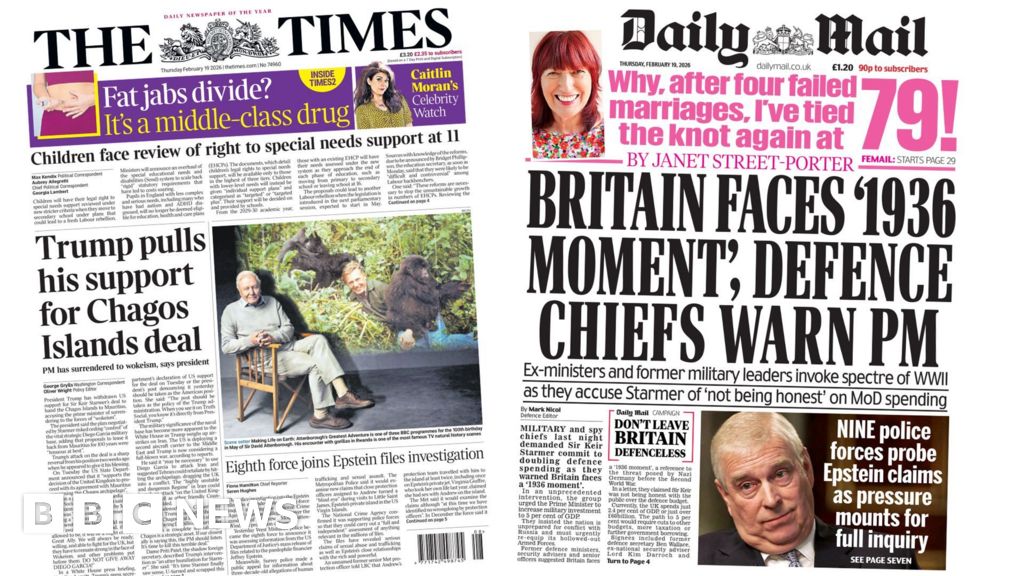
In a striking critique, retired leaders from the British Army and Navy, along with a former MI6 chief, have penned an open letter accusing the UK Prime Minister of misleading the public about defence spending. This revelation, reported by both The Mail and The Telegraph, underscores growing tensions over the nation’s military budget at a time of global uncertainty.
The letter’s signatories caution that, contrary to expectations of increased funding under Labour’s proposed defence budget, the Ministry of Defence may actually face cuts. These potential reductions are attributed to financial pressures, including necessary pay raises for servicemen. The authors of the letter warn that the UK is unprepared for potential conflicts, notably with Russia, likening the current situation to a “1936 moment”—a reference to the ominous prelude to World War II when Nazi Germany posed a significant threat.
In response, a government spokesperson assured that the UK is “on track” to achieve the Prime Minister’s goal of allocating 5% of GDP to defence and security by 2035. However, the debate over the adequacy of current measures continues to unfold.
Trump’s Policy Reversal on Chagos Islands
Simultaneously, President Trump’s unexpected reversal on the Chagos Islands’ sovereignty has dominated headlines in both The Times and The Telegraph. The President’s press secretary, Karoline Leavitt, clarified that Trump’s recent online denunciation of the agreement with Mauritius should be interpreted as the official stance of his administration, contradicting his prior endorsement.
The implications of this policy shift remain uncertain, as The Telegraph notes that previous statements by UK ministers indicated that the deal could not proceed without US backing. The geopolitical ramifications of this decision are likely to resonate across diplomatic channels.
UK’s Digital Safety Measures and World Cup Celebrations
Meanwhile, the UK government is advancing a proposal to compel tech companies to remove “revenge porn” and deepfake nudes within 48 hours or face substantial penalties, including potential bans in the UK. This initiative, highlighted by The Guardian, aims to shift the responsibility of addressing online abuse from victims to perpetrators and the platforms that enable such harm. Sir Keir Starmer emphasized the need for this paradigm shift, stating that the burden “must no longer fall on victims.”
In lighter news, The Sun reports that UK pubs will be permitted to extend their hours until 1:00 or 2:00 AM during home nations’ matches in the upcoming men’s football World Cup. With both England and Scotland qualified, the paper playfully headlines, “Swig when you’re winning,” capturing the nation’s celebratory spirit.
Historical Context and Future Implications
The open letter from military leaders evokes historical parallels, drawing a stark comparison to 1936, when Britain faced the looming threat of Nazi Germany. This historical analogy serves as a potent reminder of the potential consequences of inadequate defence preparedness.
Experts suggest that the current geopolitical climate, marked by tensions with Russia and evolving global alliances, necessitates a robust and well-funded defence strategy. The debate over defence spending is likely to persist, with implications for the UK’s strategic positioning on the world stage.
As the UK navigates these complex issues, the government’s commitment to meeting its defence spending targets will be closely scrutinized. The evolving situation with the Chagos Islands further complicates the diplomatic landscape, highlighting the intricate balance of international relations.
Looking forward, the UK’s approach to digital safety and its cultural celebrations during the World Cup reflect broader societal priorities, balancing security with the need for community and joy. These developments underscore the multifaceted challenges and opportunities facing the nation in the coming years.