



The Australian economy is experiencing a turbulent phase as inflation rates continue to rise, impacting the cost of living and triggering political shifts. This economic strain is disproportionately affecting lower-income households, while wealthier Australians maintain their spending habits, further exacerbating the divide. The political landscape is also shifting, with the populist One Nation party gaining traction in polls, challenging the traditional opposition.
Interest rates have been raised just six months after a previous cut, indicating persistent inflation issues. This economic pressure is intertwined with the rise of populist politics, reminiscent of global trends seen with figures like Donald Trump in the United States and Nigel Farage in the United Kingdom. These leaders capitalized on the economic insecurities of working-class voters, a pattern now emerging in Australia.
Economic Insecurity and Political Shifts
The rise of One Nation in Australia mirrors the populist movements that have gained ground across Western democracies since the global financial crisis. Parties like Golden Dawn in Greece, the National Rally in France, and the AfD in Germany have all thrived on economic discontent. Australia’s current political climate suggests a similar trajectory, with One Nation’s growing support indicating a shift in voter sentiment.
The Albanese government, despite holding a strong parliamentary position with 94 seats, faces a paradox. It achieved this dominance with less than 35% of the primary vote, highlighting a disconnect between parliamentary strength and voter support. This situation places the government under unique pressures, both from a lack of formidable opposition and the challenges of addressing economic grievances.
Inflation’s Impact on Society
Inflation is a complex issue that affects different segments of society in varied ways. While it erodes purchasing power broadly, its impact is more pronounced on lower-income households, who spend a larger portion of their income on essentials. Meanwhile, wealthier individuals continue to spend, inadvertently fueling further inflation and widening economic inequalities.
“Inflation makes people poorer, but so do most of the solutions to it,” explained economic analyst Jane Doe. “The wealthy can continue to spend, further stoking inflation, making life harder for the poor.”
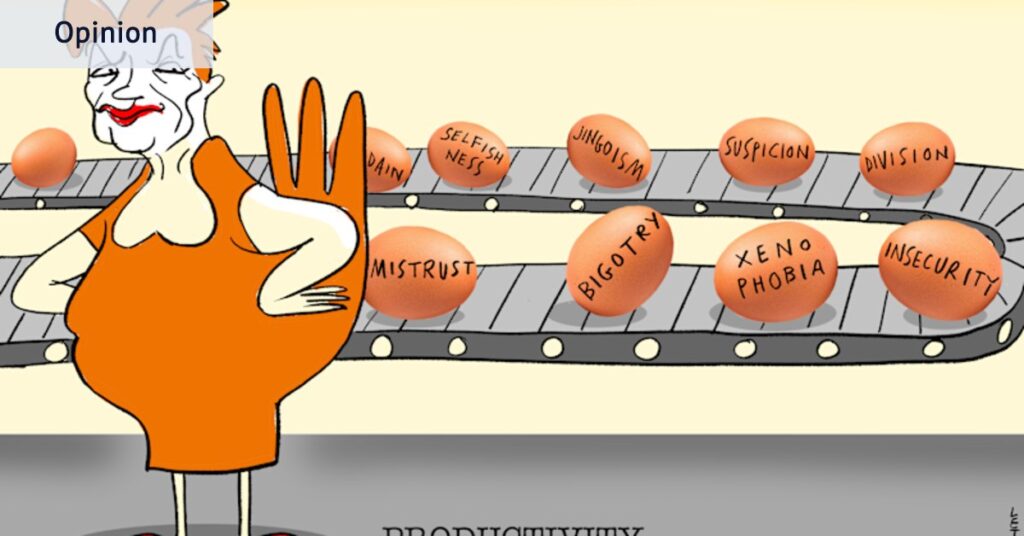
This economic dynamic creates fertile ground for populist narratives, which often simplify complex issues into digestible, albeit oversimplified, causes. The Albanese government is tasked with addressing these economic challenges while maintaining political stability.
Government Strategies and Challenges
The government is exploring various strategies to combat inflation and boost productivity, a key focus for sustaining economic growth. However, increasing productivity is a long-term challenge that requires innovation and technological advancement. Historically, significant productivity gains have resulted from transformative technologies like electricity and the steam engine.
The Albanese administration has embraced artificial intelligence as a potential catalyst for productivity growth, despite its controversial aspects. This approach reflects a broader global trend of leveraging technology to drive economic progress.
“The productivity agenda will define this government’s second term,” stated Treasurer Jim Chalmers, emphasizing the importance of technological advancement.
Looking Ahead
As the government navigates these economic and political challenges, it must balance immediate pressures with long-term strategies. The electorate’s growing dissatisfaction poses a risk, but the government’s parliamentary strength provides a buffer to implement necessary reforms.
The coming months will reveal whether the Albanese government can effectively address these issues and maintain public confidence. The outcome will have significant implications for Australia’s political landscape and economic future.
Waleed Aly, a broadcaster, author, and academic, continues to provide insightful analysis on these developments, offering perspectives that challenge and inform public discourse.