


As the year winds down, many people find themselves yearning for one thing above all else: a good night’s sleep. Whether you’re visiting family or embarking on a post-holiday getaway, achieving restful sleep away from home can be challenging. While apps, pillow mists, and thermoregulation can help, experts suggest that sometimes less is more when it comes to maximizing rest while traveling.
Understanding the First Night Effect
Travel-related sleep issues often start before you even leave home. Last-minute packing, wrapping up work, and early departures can leave you sleep-deprived, according to Dr. Sutapa Mukherjee, a respiratory and sleep physician at Flinders University in Adelaide. The stress of reaching your destination can further disrupt your sleep hygiene.
Dr. Moira Junge, a health psychologist and CEO of the Sleep Health Foundation, advises not to worry if you struggle to sleep on the first night. “In sleep science, there is a well-known phenomenon called ‘the first night effect.’ It’s common for your senses to adjust to new sounds, smells, mattress pressure, and darkness levels, but you’ll adapt quickly,” Junge explains.
Maintaining Sleep Rituals
Sleep scientists emphasize the importance of maintaining a bedtime routine, even when traveling. Dr. Mukherjee notes that while parents often establish sleep rituals for children, adults can benefit from them as well. Sharlene Loo, an experienced Emirates cabin crew member, includes showering, skincare, and lying in an L-shape with her feet elevated as part of her routine. She also uses lavender pillow mist and a book of quotes for a screen-free wind-down.
Dr. Junge suggests bringing familiar items like your own pillow and doona if you’re driving. She also advocates for the RISE UP method—Resist the snooze button, Increase physical activity, Shower, Expose yourself to sunlight, play Upbeat music, and Phone a friend—to combat sleep inertia.
Adapting to New Environments
Traveling across time zones or to different climates requires adjusting your body’s internal clock. Dr. Mukherjee stresses the importance of daylight exposure for resetting the body clock and advises against napping upon arrival. “It takes a full day to adjust for every hour of time difference,” she warns, suggesting apps like Timeshifter to help align your body clock with your destination.
Temperature also plays a crucial role in sleep quality. The ideal sleep temperature is between 17 to 19°C. Mukherjee recommends adjusting your pre-sleep routine based on the environment, such as taking a tepid shower in hot climates or a warm one in cold settings.
Blocking Out Distractions
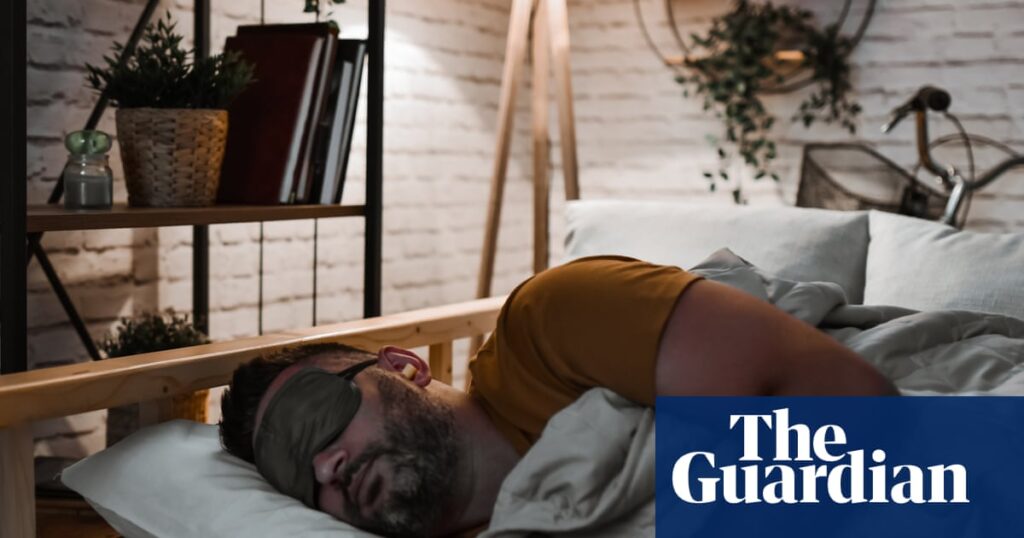
As we age, sleep becomes more sensitive, making earplugs and eye masks valuable travel companions, according to Dr. Junge. Limiting screen time before bed is also crucial, though Mukherjee sees no issue with using audio aids like music or podcasts, provided they have a sleep timer to prevent disruptions during the night.
Dr. Junge advises against overthinking sleep while on vacation. “Don’t catastrophize or obsess over sleep optimization. Holidays are for relaxing,” she says. If you have a restless night, a nap or a couple of coffees can help you enjoy the day without spiraling into worry.
Ultimately, the key to sleeping well away from home is to maintain familiar rituals, adapt to new environments, and not stress over perfection. As Dr. Junge reminds us, “The best sleepers are those who don’t overthink it.”