


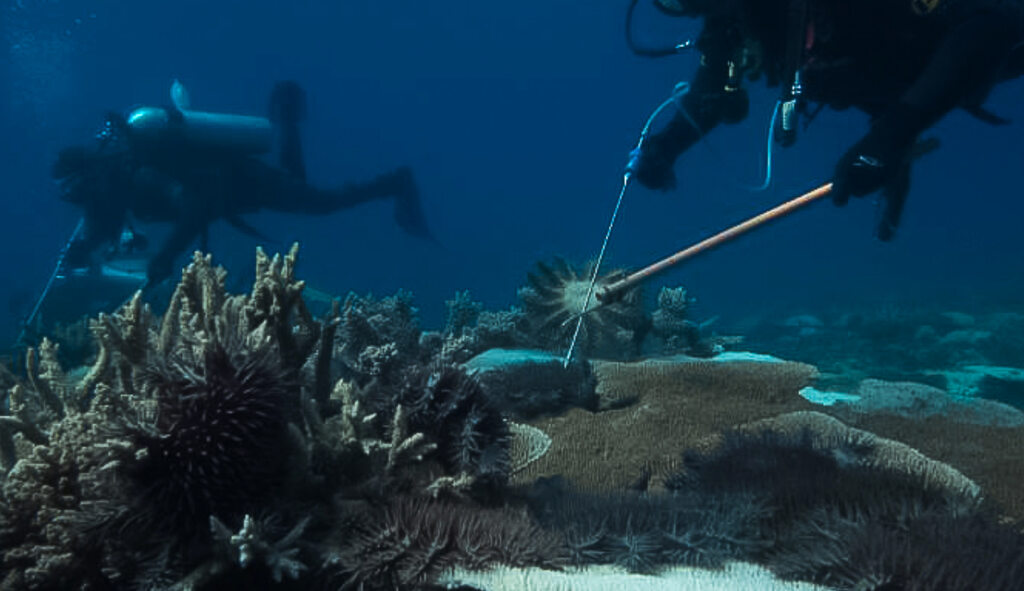
Australia’s picturesque coastal communities are waging a new war against the crown-of-thorns starfish, a marine predator threatening the Great Barrier Reef. This invasive species has been reported in increasing numbers along the shores of Queensland, prompting urgent conservation efforts to protect the delicate marine ecosystem.
Wonga Beach, located 17 kilometers north of Mossman and 20 minutes south of Daintree Village, is one of the frontline locations in this battle. Known for its tranquil and tropical environment, Wonga Beach boasts one of the longest sandy stretches in the area, making it a popular spot for both locals and tourists alike.
Impact on Local Communities
The presence of the crown-of-thorns starfish has raised concerns among local residents and environmentalists. The starfish preys on coral polyps, leading to significant coral loss. This not only affects marine biodiversity but also threatens the tourism industry, which is a vital part of the local economy.
Wonga Beach, with its peaceful surroundings and lush backdrop of Calophyllum trees and coconut palms, is a haven for those looking to escape the hustle and bustle of tourist hotspots like Port Douglas. However, the environmental threat posed by the starfish could jeopardize the area’s appeal.
Community and Conservation Efforts
Local conservation groups and volunteers have mobilized to address the issue. Efforts include organized culling events and educational campaigns to raise awareness about the importance of protecting the reef. The community’s proactive stance highlights the commitment to preserving their natural heritage.
The area has experienced a -10.3% change in median house prices over 12 months leading up to January 2025. (Source: Property)
Despite the challenges, Wonga Beach remains a desirable location, with a population of 1,042 as of the 2021 census. The suburb offers a blend of traditional and modern architecture, from quaint holiday shacks to multi-million-dollar homes, providing a unique living experience.
Regional Overview and Real Estate Trends
Wonga Beach is part of the Shire of Douglas, which encompasses several other notable locations, each with its own charm and challenges. For instance, the nearby locality of Bamboo, with a population of 129, is characterized by its rural setting and community-focused lifestyle.
Real estate in Wonga Beach has seen fluctuations, with the median house price approximately $443,500. The area has witnessed a decline in property values, reflecting broader economic trends and the impact of environmental concerns on real estate markets.
Comparative Analysis with Other Regions
In contrast, regions like Palm Cove and Port Douglas continue to attract tourists and investors, thanks to their vibrant communities and proximity to natural wonders like the Great Barrier Reef and Daintree National Park. Palm Cove, with a population of 2,450, is known for its laid-back lifestyle and thriving tourism sector.
Median Property Prices (as of mid-2024): Houses: Approximately $1,125,000. (Source: cairns beaches)
Similarly, Port Douglas, a key gateway to UNESCO World Heritage sites, maintains its allure despite market challenges. The town’s population often doubles during peak tourism seasons, underscoring its significance as a travel destination.
Looking Forward: Sustainable Solutions
The fight against the crown-of-thorns starfish is far from over. Experts emphasize the need for sustainable solutions that balance ecological preservation with economic growth. Collaborative efforts between government agencies, local communities, and environmental organizations are crucial in devising effective strategies.
As Wonga Beach and its neighboring regions continue to navigate these challenges, the focus remains on safeguarding the natural beauty and biodiversity that define Australia’s coastal landscapes. The ongoing battle against the starfish serves as a reminder of the delicate balance between human activity and environmental stewardship.
In conclusion, the resilience of these communities, coupled with innovative conservation efforts, offers hope for the future of the Great Barrier Reef and the livelihoods it supports. As the world watches, the commitment to preserving this natural wonder remains unwavering.