

In a world where environmental and man-made catastrophes have reshaped the landscape of human existence, Disney+’s “Paradise” returns for a second season on February 23. This post-apocalyptic thriller, set in a subterranean bunker community, offers a lo-fi but deeply relatable narrative that resonates with contemporary issues of inequality and survival.
The series, underscored by Phil Collins’ “Another Day in Paradise,” draws parallels between its storyline and the song’s themes of homelessness and societal neglect. The choice of music is fitting for a show that explores the stark divide between the privileged few and the struggling masses in a world on the brink of collapse.
The Premise: A World in Ruins
For those new to the series, “Paradise” is set in the aftermath of a dual catastrophe: a massive volcanic eruption in Antarctica followed by a nuclear war. These events have decimated civilization, leaving 25,000 hand-picked survivors in an underground bunker to preserve the human race.
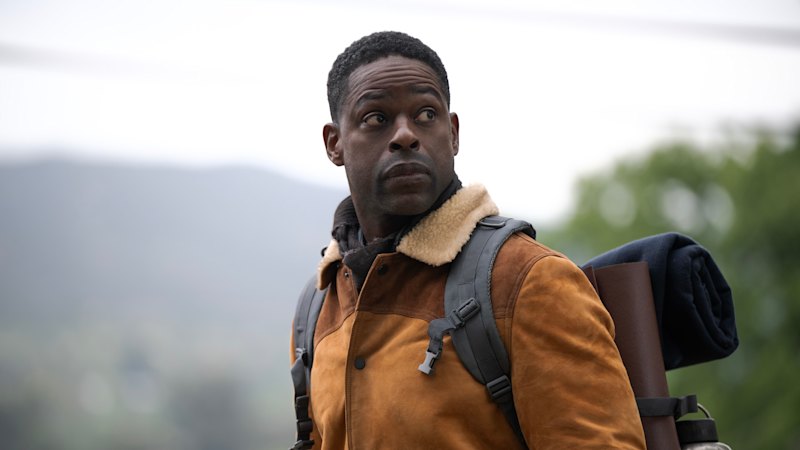
Season two expands its narrative beyond the confines of the bunker, following Secret Service agent Xavier Collins, portrayed by Sterling K. Brown. Collins ventures into the outside world, driven by the hope that his wife, Teri, survived the apocalypse despite not making it to the bunker. His journey raises questions about the survival of others and the potential consequences of their discovery.
Inside the Bunker: A Microcosm of Society
Within the bunker, a microcosm of society unfolds. Financed by tech billionaire Sam Redmond, played by Julianne Nicholson, this refuge is a self-sustaining slice of Everytown, USA. However, the introduction of more survivors could disrupt the delicate balance of resources, a scenario Sam has long feared.
The late President Cal Bradford, portrayed by James Marsden, grappled with the ethical dilemmas of this new world. His concerns are shared by Gabriela Torabi, the bunker’s psychiatrist, played by Sarah Shahi, who is increasingly troubled by the actions of agent Jane Driscoll (Nicole Brydon Bloom), whose seemingly sweet demeanor masks a darker side.
Outside Threats and Ethical Dilemmas
The arrival of outsiders, led by Link (Thomas Doherty), at the bunker’s doorstep introduces new tensions. Their demand for entry challenges the established order and highlights the disparities between those within and outside the bunker.
As a sci-fi narrative, “Paradise” opts for a lo-fi approach, eschewing futuristic technology for a setting that mirrors our current world. This choice amplifies the ethical dilemmas faced by the characters, making them more relatable to the audience.
Real-World Parallels
The series reflects real-world issues, such as the collusion between powerful corporations and political figures, which allows a select few to dictate the fate of the many. The hoarding of resources by the privileged and the neglect of scientific warnings about environmental collapse are themes that resonate with contemporary audiences.
“Collusion between big money and politicians means a few get to determine the fates of the many.”
One standout episode features Shaelene Woodley as a former tour guide surviving in Graceland’s basement, offering a narrative reminiscent of “The Last of Us.” This storyline, along with the series’ mix of political intrigue, crime procedural elements, and survival drama, urges viewers to consider the cost of inaction in the face of impending disaster.
Looking Ahead
As “Paradise” continues to unfold, it challenges viewers to reflect on the ethical and moral dilemmas that arise in times of crisis. The series serves as a cautionary tale, urging a reevaluation of our current trajectory and the choices that could shape our future.
“Paradise” season two premieres on Disney+ on February 23, offering a compelling narrative that is both entertaining and thought-provoking.
For more on upcoming TV and streaming series, subscribe to The Watchlist for weekly updates on must-see content.