




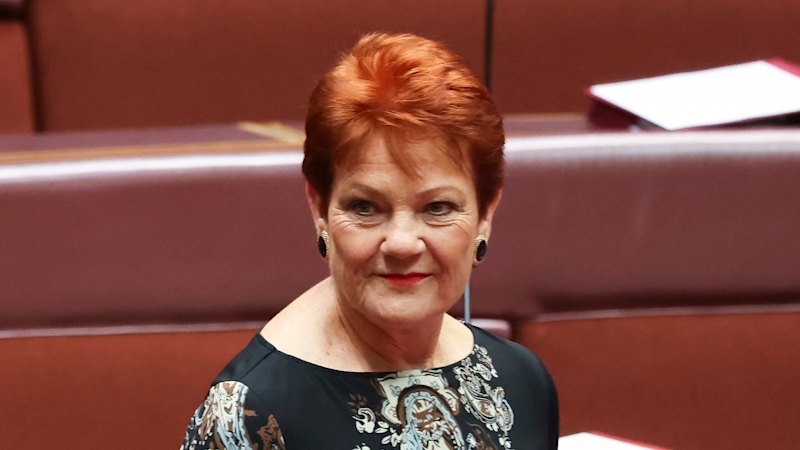
As Australia faces a dynamic political and economic landscape, recent developments highlight significant shifts in both domestic and international arenas. On the political front, One Nation has surged in the polls, drawing level with the Coalition, while the International Monetary Fund (IMF) is urging Australia to undertake comprehensive tax reform. Simultaneously, strategic changes in the US Navy’s approach could benefit the AUKUS alliance, a trilateral security pact between Australia, the United Kingdom, and the United States.
One Nation’s Rising Popularity
One Nation’s primary vote has reached an unprecedented level, now matching the Coalition at 23 percent, according to the latest RPM polling. This marks a significant shift in the political landscape, following Taylor’s ascension as leader after deposing Ley. Despite the Coalition’s struggles, voters appear willing to give Taylor a chance to revitalize the party, with a slight increase in support compared to Ley’s leadership.
Opposition Leader Angus Taylor has refrained from committing to the public release of the internal election review concerning the Coalition’s 2025 electoral defeat. Former leader Sussan Ley had promised transparency, but Taylor has consistently stated that the decision rests with the party organization.
IMF Calls for Tax Reform
In its annual review of the Australian economy, the International Monetary Fund has called on Treasurer Jim Chalmers to implement far-reaching tax reforms in the upcoming May budget. The IMF suggests increasing the Goods and Services Tax (GST), overhauling capital gains tax, and reducing company tax rates to enhance living standards and stimulate economic growth.
The IMF’s recommendations come at a time when the Australian economy faces challenges such as inflationary pressures and a need for sustainable growth. The proposed reforms aim to address these issues by creating a more efficient tax system that encourages investment and consumption.
US Naval Strategy and AUKUS
In a strategic move, the US Navy is shifting its focus, a decision that could bolster the AUKUS alliance. This change in strategy is expected to enhance collaborative efforts in the Indo-Pacific region, strengthening security ties between Australia, the UK, and the US.
The AUKUS pact, announced in 2021, aims to provide Australia with nuclear-powered submarines, among other defense capabilities. The US Navy’s new approach aligns with the goals of AUKUS, ensuring that the alliance remains robust in the face of regional security challenges.
Coles Faces Federal Court Over “Illusory” Discounts
Meanwhile, in the business sector, Coles is in the spotlight as it faces the Federal Court over allegations of misleading shoppers with “illusory” discounts. The case, brought by the Australian Competition and Consumer Commission (ACCC), questions whether Coles’ promotional pricing on hundreds of products was genuine or deceptive.
Lawyers for the ACCC argue that Coles artificially inflated prices before labeling them as discounted, a practice that could lead to substantial fines if proven. The case is expected to set a precedent for retail pricing practices across the industry.
Search Continues for Missing Child in South Australia
In a heart-wrenching development, police have returned to the South Australian outback to search for evidence in the case of missing four-year-old Gus Lamont. Task Force Horizon officers are combing Oak Park Station, the last known location of the child, who disappeared last year.
The search is part of an ongoing investigation, with detectives expected to remain in the area for several days. The case has drawn significant public attention, highlighting the challenges of missing person investigations in remote regions.
Meta Under Scrutiny for Information Integrity
In the tech world, Meta, the parent company of Facebook and Instagram, has been compelled to appear before a parliamentary committee to address concerns over misinformation and disinformation on its platforms. Independent senator David Pocock and others have challenged Meta’s public policy vice president, Simon Milner, over the company’s handling of these issues.
Meta has faced criticism for allegedly prioritizing engagement over accuracy, with accusations that its algorithms amplify outrage and misinformation. The company maintains that it is committed to election integrity and has removed millions of fake accounts, though some senators remain skeptical of its efforts.
As these stories unfold, they reflect the complex interplay of politics, economics, and technology shaping Australia’s future. The outcomes of these developments will likely have lasting implications for the nation and its role on the global stage.