




Australia’s leading medical professionals are sounding the alarm over the escalating threat of drug-resistant superbugs, warning that common infections could become as deadly as cancer if urgent action is not taken. The rise in antimicrobial resistance is a growing concern, with experts predicting that without intervention, deaths from these infections could eventually exceed those caused by cancer.
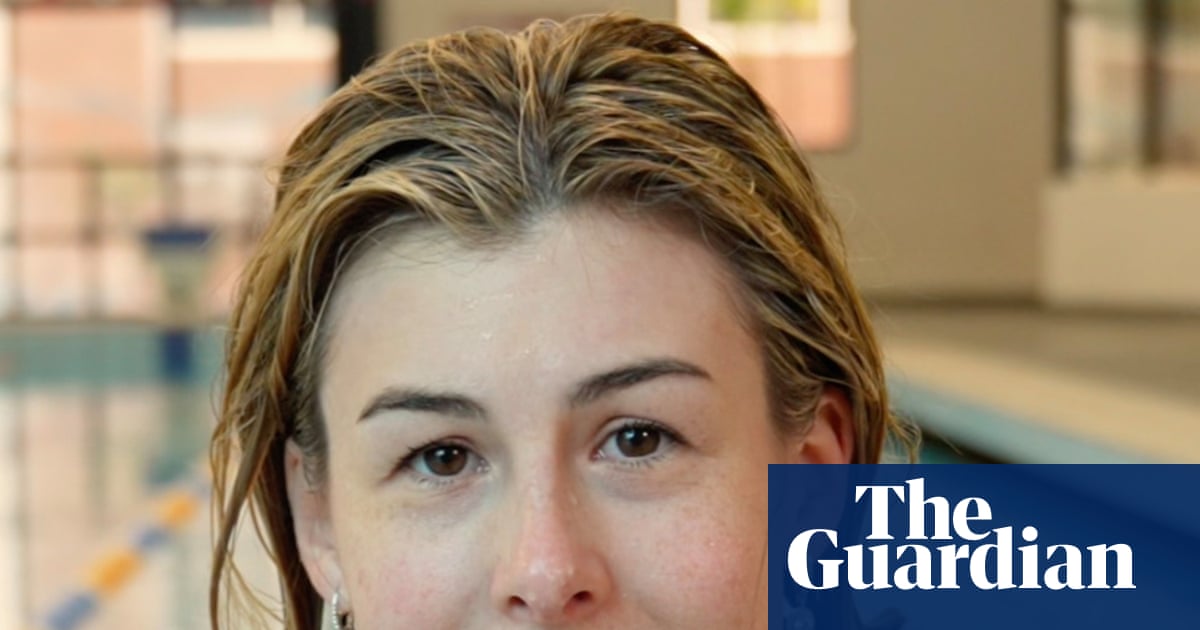
For Paralympic gold medallist Chris Bond, the issue is deeply personal. At the age of 19, Bond was a fit and healthy young man when a severe infection turned his life upside down. “I was 19 years old, fit and healthy, then out of the blue, get sick, go to hospital,” Bond recounted. After being placed in an induced coma, he awoke to devastating news: antibiotics had failed, and doctors were forced to amputate both his legs, his left hand, and most fingers on his right hand.
During his prolonged hospital stay, Bond encountered drug-resistant infections that hampered his recovery. “I picked up superbugs, resistant bacteria that anybody just couldn’t fight essentially,” he said. Now the captain of the Australian wheelchair rugby team, Bond shares his story to underscore the mounting threat of superbugs.
Understanding Superbugs
Superbugs are bacteria or fungi that have developed resistance to antibiotics or antifungal drugs. Infectious diseases specialist Associate Professor Sanjaya Senanayake emphasizes that this problem has been building for decades. “The threat is bad and the threat is real,” he stated. “We’ve been seeing both bacteria and fungi becoming more resistant to antibiotics and antifungals over the years, meaning we’ve got less weapons to treat these infections with.”
Senanayake explains that antimicrobial resistance leaves doctors with fewer effective treatment options. “When we talk about a superbug, we refer to a fungus or a bacterium that has become resistant to a lot of antibiotics,” he said. “This means that if someone gets sick with one of these infections, it’s much harder to treat because we’ve got less weapons to use.”
Experts cite increased global antibiotic use, including in agriculture, and a lack of new drug development as key factors contributing to this crisis. Currently, it is estimated that around 100 Australians die each week from antibiotic-resistant infections, and clinicians are making approximately 500 applications monthly for access to overseas antibiotics not available locally, particularly for critically ill patients.
A Call for Global Action
The urgency of the situation is being addressed at a major antimicrobial resistance summit in Sydney, where international leaders are advocating for concerted action. UK special envoy on antimicrobial resistance Dame Sally Davies, who previously served as the Chief Medical Officer in the UK, warns that the crisis is already causing significant harm. “Antimicrobial resistance, drug-resistant infections, cause more deaths than those put together every year, directly killing nearly 1.2 million people across the world every year,” she said.
Davies underscores the dependence of modern medicine on effective antibiotics. “Infections at childbirth could kill. Post-operative infections could kill. Modern medicine wouldn’t happen. Effective cancer treatments, transplants, people with diabetes would get untreatable infections,” she cautioned.
To combat this, Davies advocates for governments to create incentives for pharmaceutical companies to develop new antibiotics. “If all the G7 countries come together and use similar ways of assessing drugs and put in place subscription mechanisms, then pharmaceutical companies tell us most will come back into novel antibiotic production,” she explained.
Implications and Future Steps
The implications of unchecked antimicrobial resistance are dire. According to Senanayake, “By 2050, the predictions are that we could see 10 million people die every year from antimicrobial resistance. That’s more deaths than cancer.”
Chris Bond’s personal experience serves as a stark reminder that resistant infections can affect anyone. “You get a little nick, a little cut somewhere, that can turn into a life-threatening situation without the right antibiotics,” he warned. Bond stresses the importance of ensuring access to effective treatments, hoping that future patients will have the same chance at recovery that he did. “We need to ensure that there’s access to everybody all around Australia… that might save their life,” he said.
As the global community grapples with this looming health crisis, the call for urgent action becomes more pressing. The development of new antimicrobials and a coordinated international response are crucial steps in preventing a future where common infections could claim more lives than cancer.