



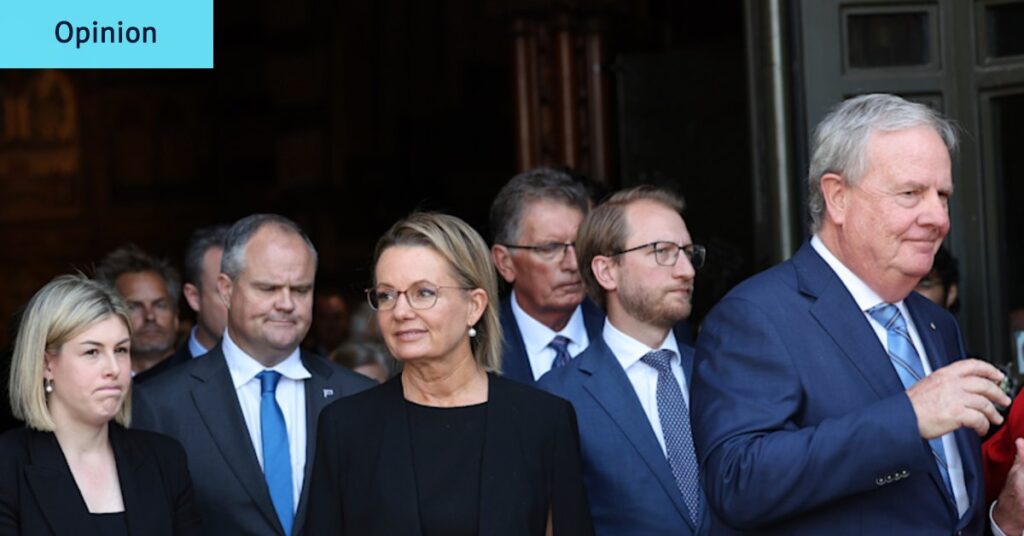
In a dramatic political shakeup, Sussan Ley has been ousted as the leader of the Liberal Party after just nine months, marking an end to what was supposed to be a new era of female leadership. The decision to replace her with Angus Taylor has sparked significant backlash, particularly among Australian women who feel betrayed by the party’s latest move.
The announcement comes as the Liberal Party grapples with dwindling support from female voters, a demographic that has increasingly turned to independent candidates who prioritize climate change, economic sensibility, and accountability. Ley’s departure is seen by many as a step backward, reinforcing the perception that the party is out of touch with modern values.
The Fall of Sussan Ley
Sussan Ley’s leadership tenure was fraught with challenges from within her own party. Despite her efforts to steer the Liberals towards what she termed “the sensible centre,” her inability to enact substantial change left her vulnerable. Critics argue that her failure to support gender quotas or present a clear policy on environmental issues contributed to her downfall.
According to Senator James Paterson, the decision to replace Ley was necessary for the party’s survival. “We must change, or we will not continue to exist,” he stated last week. However, this change has been perceived by some as a mere return to the status quo, with Taylor’s appointment seen as a continuation of male-dominated leadership.
Historical Context and Voter Sentiments
Historically, the Liberal Party has struggled to maintain its once stronghold in blue-ribbon seats, particularly as female voters have shifted their support to candidates who align more closely with their values. Ley, who had previously served as the shadow minister for women, was expected to address these issues but failed to make significant inroads.
In the 2025 federal election, the Liberals lost 15 seats, including that of former leader Peter Dutton. This loss was reminiscent of John Howard’s defeat by Maxine McKew, highlighting a pattern of voters choosing competent female candidates over traditional Liberal figures.
The Implications of Leadership Change
The move to install Angus Taylor as leader, with Jane Hume as deputy, has been met with skepticism. Taylor’s leadership style and past comments have raised concerns about the party’s commitment to gender equality and progressive policies. His appointment is viewed by some as a signal that the party is retreating from its brief engagement with more inclusive politics.
“Even if they didn’t support Ley directly, women will not forget that on the morning of former Liberal MP Katie Allan’s funeral, an all-male group of Liberals met to strategize on how to knife their first female leader,” noted a political analyst.
Expert Opinions and Future Outlook
Political experts suggest that the Liberal Party’s current trajectory could further alienate female voters. “The party’s biggest problem still has two X chromosomes and the right to vote,” said a political commentator, echoing the sentiment that the party must adapt or face potential extinction.
Angus Taylor’s leadership is seen as a critical juncture for the Liberals. His supporters argue that his success averts a crisis of a more right-wing leader, yet his treatment of Ley has been criticized as a dog whistle to the far right, undermining efforts to regain trust among women.
Looking Ahead
The Liberal Party faces a pivotal moment as it seeks to redefine its identity and appeal to a broader electorate. As the political landscape continues to evolve, the party’s ability to address the concerns of female voters will be crucial in determining its future success.
For now, the party’s leadership change has left many questioning whether the Liberals can truly adapt to the changing dynamics of Australian politics or if they will continue to struggle with maintaining relevance in a rapidly shifting political environment.