


In a strategic move that has caught international attention, Iran announced the temporary closure of the Strait of Hormuz, a critical maritime chokepoint through which 20% of the world’s oil supply flows. This decision coincides with a fresh round of nuclear negotiations with the United States, raising questions about Iran’s intentions and the potential implications for global oil markets.
The official Iranian explanation for the closure cited “safety and maritime concerns” due to live military drills in the region. However, analysts suggest that the timing is no coincidence, interpreting it as a calculated signal to the US amidst escalating tensions over Iran’s nuclear ambitions.
Strategic Messaging or Tactical Maneuver?
According to Sina Azodi, director of the Middle East Studies program at George Washington University, the closure is a demonstration of Iran’s influence in the Persian Gulf. “Clearly on the day that they’re negotiating with the Americans I don’t think it’s a coincidence,” Azodi remarked. “They shut it down just to make the point that they are the ones who are calling the shots there.”
Despite the potentially provocative nature of the closure, both American and Iranian officials have issued optimistic statements regarding the progress of the talks. However, the specifics remain shrouded in secrecy, with negotiations taking place in Switzerland under Omani mediation.
Pressure Mounts for a Diplomatic Resolution
The backdrop to these talks is a period of heightened tension between the US and Iran. The US has deployed significant military assets to the region, including two aircraft carriers, in a bid to exert pressure on Iran to curb its nuclear program. Iran, on the other hand, maintains that its nuclear activities are peaceful and seeks relief from crippling economic sanctions.
US Vice-President JD Vance commented, “In some ways it went well. They agreed to meet afterwards. But in other ways it was very clear that the president has set some red lines that the Iranians are not yet willing to actually acknowledge and work through.”
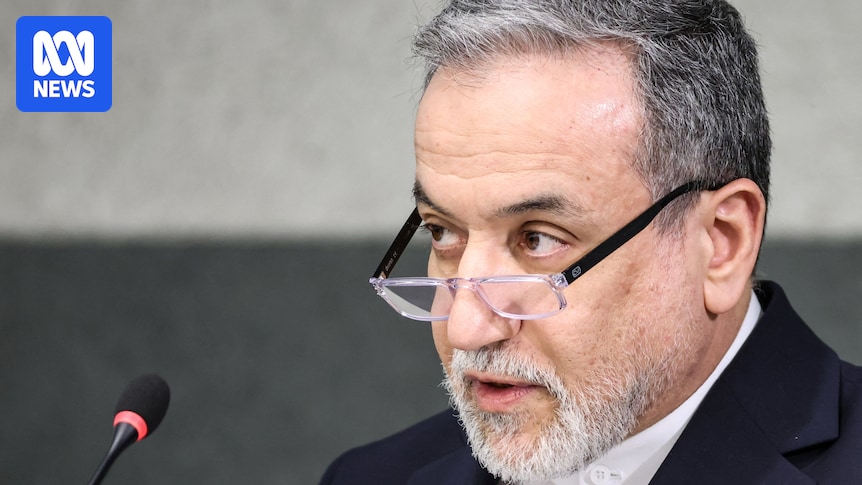
“Different ideas have been presented. These ideas have been seriously discussed. Ultimately we’ve been able to reach a general agreement on some guiding principles,” Iranian Foreign Minister Abbas Araqchi stated.
Meanwhile, a US official indicated that Iran would present detailed proposals in the coming weeks to bridge the gaps between the two sides. The involvement of high-profile US envoys Steve Witkoff and Jared Kushner underscores the significance of these discussions.
Implications of the Strait’s Closure
The temporary closure of the Strait of Hormuz has historical precedent as a tool of Iranian foreign policy. Tehran has previously threatened to block the strait in response to military aggression, a move that would likely spike global oil prices. While the strait was reportedly closed for several hours, it remains unclear if it has been reopened.
Some analysts suggest that the US’s military buildup in the region, including the deployment of the USS Gerald R Ford, signals a readiness for potential military action. Others believe it is a strategic maneuver to strengthen the US’s negotiating position.
“President Trump has taken the concept of gunboat diplomacy literally, but he also doesn’t have much patience in negotiations,” Dr. Azodi told the ABC. “I think the experience of Venezuela and other places has given him this belief that he can strike at a very low cost, at almost no cost, and he can claim victory … so I don’t think it’s just a bluff.”
Looking Ahead: The Path to Resolution
As the world watches, the stakes remain high. US President Donald Trump has expressed confidence in reaching a deal, stating, “I don’t think they want the consequences of not making a deal.” Meanwhile, Iranian Supreme Leader Ayatollah Ali Khamenei has issued a stark warning against US military action, emphasizing Iran’s resilience and capability to defend itself.
The outcome of these talks could have far-reaching implications for international relations and global energy markets. As both sides prepare for further negotiations, the world waits to see whether diplomacy can prevail over military posturing.