




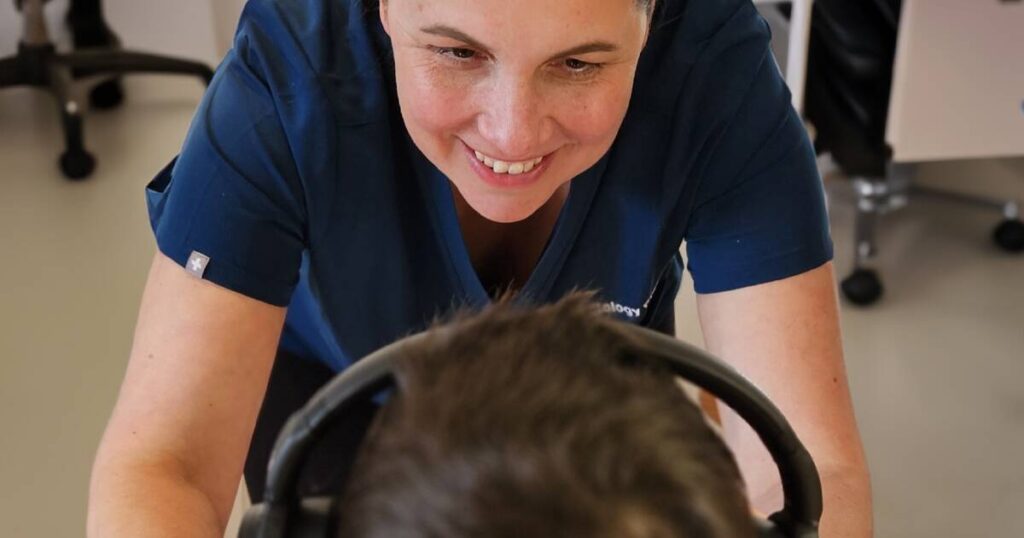
As parents diligently keep up with routine medical check-ups, a crucial aspect of health often goes unnoticed: hearing. This oversight is brought to the forefront during Hearing Awareness Week, a period dedicated to reminding us of the vital role hearing plays in human development from infancy through old age.
Coinciding with the World Health Organization’s World Hearing Day, the 2026 theme, ‘From communities to classrooms: hearing care for all children’, emphasizes the importance of monitoring hearing health in the early years. This initiative is particularly significant for Dr. Signe Steers, an audiologist and mother of two, who has dedicated her career to speech and hearing science.
Understanding the Impact of Hearing on Child Development
Dr. Steers underscores the critical nature of hearing for a child’s speech, learning, behavior, and social development. “Hearing is such a critical thing for their speech and learning, and behavior and social development,” she explains. “For children, something like that to go unnoticed can underpin issues with their speech and language development. It can impact their literacy or academic performance, and can also affect behavior, attention, and social confidence.”
According to Dr. Steers, there are several indicators that parents should be vigilant about regarding potential hearing issues in their children. These signs can manifest as early as infancy. “With babies and toddlers, things like not responding to their name, delayed speech is the big one,” she notes.
Signs of Hearing Issues in Children
As children grow and develop more speech, additional signs may become apparent. These include frequently asking “what” or “pardon,” having the television volume excessively high, and struggling to follow instructions. “They could be quite fatigued after a day at school – more than you would think – because they’re straining extra hard to listen,” Dr. Steers adds.
The Importance of Early Detection and Intervention
Early detection of hearing issues is crucial. Dr. Steers advises parents who have concerns to schedule a hearing test for their child. Finding an audiologist qualified to test pediatric patients is essential, and she recommends reassuring children before their visit to alleviate any anxiety.
The announcement comes as more awareness is being raised about the long-term effects of undiagnosed hearing problems. Early intervention can mitigate potential impacts on literacy, academic performance, and social skills, ensuring children have the best possible start in life.
Expert Opinions and Recommendations
Experts agree that hearing tests should be as routine as dental check-ups. The American Speech-Language-Hearing Association (ASHA) recommends that children have their hearing tested at regular intervals, especially if there is a family history of hearing loss or if the child has had frequent ear infections.
“Routine hearing tests can catch issues early, allowing for interventions that can dramatically improve a child’s quality of life,” says Dr. Emily Carter, a pediatric audiologist.
Moving Forward: A Call to Action for Parents
As Hearing Awareness Week continues to shed light on this critical issue, parents are encouraged to consider the broader implications of hearing health. Ensuring that children have access to necessary hearing care can prevent potential developmental setbacks and foster a more inclusive environment for learning and growth.
Meanwhile, initiatives like World Hearing Day aim to create a global dialogue about hearing health, encouraging communities to prioritize hearing care for all children. As awareness grows, so too does the potential for positive change in the lives of countless young individuals.
In conclusion, as parents and caregivers reflect on the health and well-being of their children, hearing should be at the forefront of their considerations. By taking proactive steps to monitor and address hearing health, we can help secure a brighter future for the next generation.