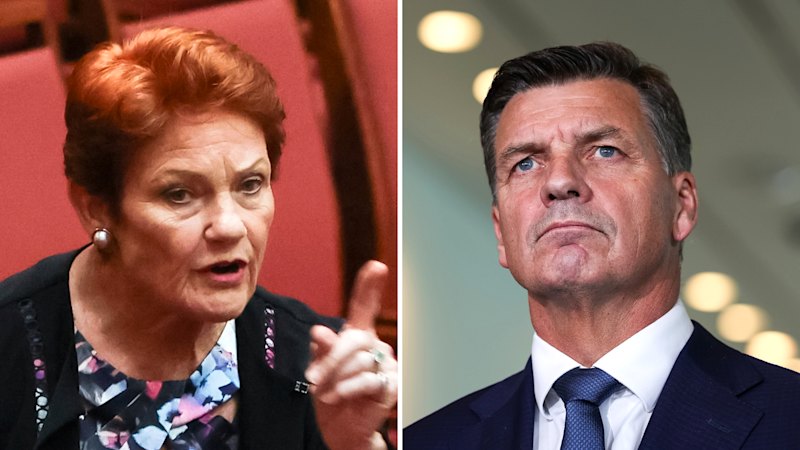


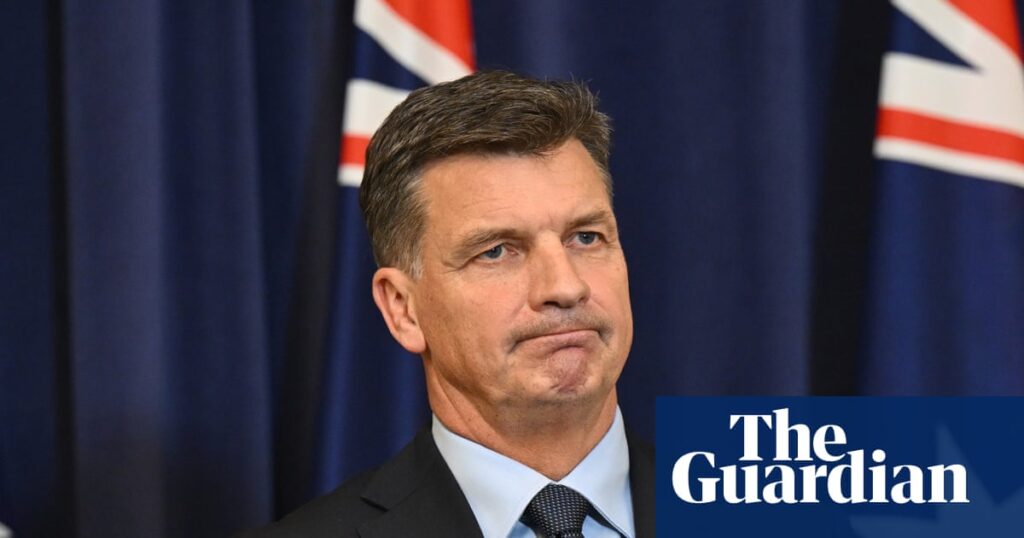
Liberal MPs have issued a stern warning to their newly elected leader, Angus Taylor, urging him to avoid adopting extreme right-wing immigration policies reminiscent of those implemented by former U.S. President Donald Trump. This caution follows a leaked proposal suggesting the introduction of stringent bans on immigrants from regions under terrorist control, including Gaza and Lebanon.
The proposal, initially drafted under former leader Sussan Ley, aims to prohibit migrants from 37 regions across 13 countries where terrorist organizations have territorial control. These countries include Afghanistan, Algeria, Cameroon, Egypt, Lebanon, Libya, Mali, Niger, Nigeria, Palestine, the Philippines, Somalia, and Yemen. The revelation has sparked significant debate within the party.
Internal Dissent and Concerns
Conservative Liberal senator Leah Blyth emphasized the need for caution, advocating against broad generalizations. “Not everyone from those regions is a terrorist,” Blyth stated, highlighting the importance of distinguishing between individuals. Drawing from her own experience, Blyth, who is of Burmese descent, noted that not all people from Myanmar should be banned from Australia, despite its military rule.
“We don’t want terrorists or people that don’t like our way of life coming into Australia,” she said. “But we’ve got to be mindful of what generalisations mean, because a lot of innocent people are repressed under these regimes. Blanket bans may not stop bad actors, [they] simply redirect them … Smart border security should be targeted, intelligence-led and focused on risk.”
Meanwhile, Ley’s shadow immigration minister, Paul Scarr, distanced himself from the controversial proposal, claiming he never agreed to the country ban aspect. “I have a range of serious concerns about the policy and never signed off on it,” he asserted.
Comparisons to One Nation
South Australian senator Andrew McLachlan echoed similar sentiments, warning against adopting hardline anti-immigration rhetoric akin to that of One Nation. “Populist rhetoric adds nothing constructive to this discussion,” he remarked. “We should always seek to attract the best and brightest people in the world who want to join us in building an amazing multicultural society. It does not matter what country they come from.”
McLachlan cautioned against the party’s potential alignment with One Nation’s policies, stating, “The Liberal party must resist the calls by some in its ranks to hand over our policy development to One Nation. We have already done that with the Nationals. More and more, we are pushing away the electors in the city.”
Potential Policy Implications
The proposed immigration policy would also expedite the removal of up to 100,000 asylum seekers and international students from Australia. It suggests restricting visa holders’ rights to appeal immigration decisions and blocking their consideration for other visas. Taylor, who was recently elected as the new opposition leader, has indicated plans to reduce immigration levels and introduce a system to exclude those who do not align with Australia’s core values, such as basic freedoms and democracy.
This development follows similar moves by the Trump administration, which suspended visa processing for 75 countries and banned tourists from 12 countries last year. Within the Liberal party, there is a division over whether to pursue a policy more aligned with Trump’s approach. One anonymous MP expressed concerns about the potential cultural impact, stating, “We don’t want to get caught in culture wars, caught in pitting communities against each other – if we go down that path we’re really going to struggle.”
“If you don’t get the tone right … we risk people thinking that our intentions behind our migration policies are racist,” the MP warned.
Future Directions and Challenges
While some within the party push for policies similar to Trump’s, others, like a senior moderate who spoke anonymously, fear the party’s shift to the right under Taylor. “The fact that we’ve now got a party that’s almost completely driven by people who are very socially conservative is a concern,” they stated.
Another Liberal MP highlighted the potential consequences of a hardline stance on immigration, suggesting that moderates may not survive such a shift. “I don’t think they can beat One Nation on immigration. If you read into what [Jacinta Nampijinpa] Price and [Andrew] Hastie say, and go down this hardline immigration route, moderates won’t survive that.”
As the Liberal party navigates its internal divisions and public perception, the direction of its immigration policy remains a contentious issue. The implications of these decisions will likely shape the party’s future and its ability to appeal to a broad electorate.