

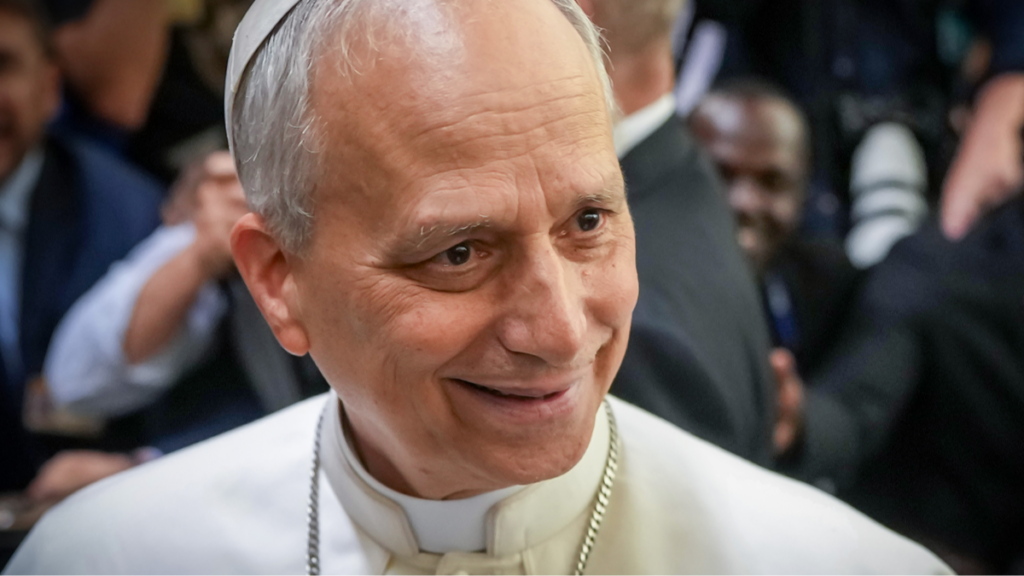
Pope Leo XIV has sparked potential diplomatic tensions with former President Donald Trump by rejecting an invitation to join the “Board of Peace,” a U.S.-led initiative aimed at resolving the ongoing Gaza conflict. This decision comes as Trump continues his efforts to implement a comprehensive peace plan, which has garnered support from the United Nations and involves collaboration with several key nations.
The U.S. initiative, which emerged from a 20-point peace plan, includes contributions from countries such as Qatar, Egypt, Saudi Arabia, the United Arab Emirates, Turkey, Pakistan, and Indonesia. The Board of Peace, chaired by Trump, is designed to provide strategic oversight and resource mobilization to aid Gaza’s reconstruction and stability.
Pope Leo’s Concerns and Vatican’s Stance
A senior Vatican official disclosed that Pope Leo’s decision to decline the invitation was rooted in concerns about the Board’s structure. Cardinal Pietro Parolin, the Vatican’s Secretary of State, expressed reservations about the U.S. assuming a primary role in managing international crisis situations like the Gaza conflict.
“At the international level, it should above all be the U.N. that manages these crisis situations,” Cardinal Parolin stated to reporters, as reported by Reuters.
Pope Leo’s skepticism towards Trump’s policies is well-documented, making his refusal to join the Board unsurprising to many observers. The Vatican’s decision aligns with its longstanding advocacy for multilateral approaches to global issues, emphasizing the United Nations’ role in peacekeeping efforts.
Composition and Criticism of the Board of Peace
The Board of Peace, which convened on February 19, has already secured $5 million in pledges, according to Trump. It includes an Executive Board and senior advisors, with notable figures such as U.S. Secretary of State Marco Rubio, U.S. Special Envoy Steve Witkoff, former UK Prime Minister Tony Blair, and others.
Despite the high-profile nature of its members, the Board has faced criticism for its composition. Concerns have been raised about the inclusion of leaders involved in ongoing global conflicts, such as Russia’s Vladimir Putin and Israel’s Benjamin Netanyahu. These figures’ involvement has sparked debate over the Board’s potential effectiveness and impartiality.
“The Board of Peace will prove to be the most consequential International Body in History, and it is my honor to serve as its Chairman,” Trump declared on Truth Social on February 15.
International Response and Future Prospects
While the Vatican is not alone in declining the invitation, a limited number of countries have formally joined the initiative. As of now, Armenia, Egypt, and the United Arab Emirates have signed on, indicating a cautious yet hopeful outlook for the Board’s potential impact.
The announcement of the Board of Peace and its subsequent developments come at a time when international diplomacy is under intense scrutiny. The inclusion of controversial figures and the U.S.’s central role in the initiative have prompted discussions about the future of peace efforts in the Middle East.
As the Board of Peace continues to evolve, its ability to navigate complex geopolitical landscapes and foster genuine progress remains to be seen. The Vatican’s decision underscores the importance of multilateral cooperation and the challenges of unilateral approaches to conflict resolution.
UNILAD has reached out to the White House for further comment on the situation, highlighting the ongoing global interest in the Board’s activities and its implications for international peace efforts.