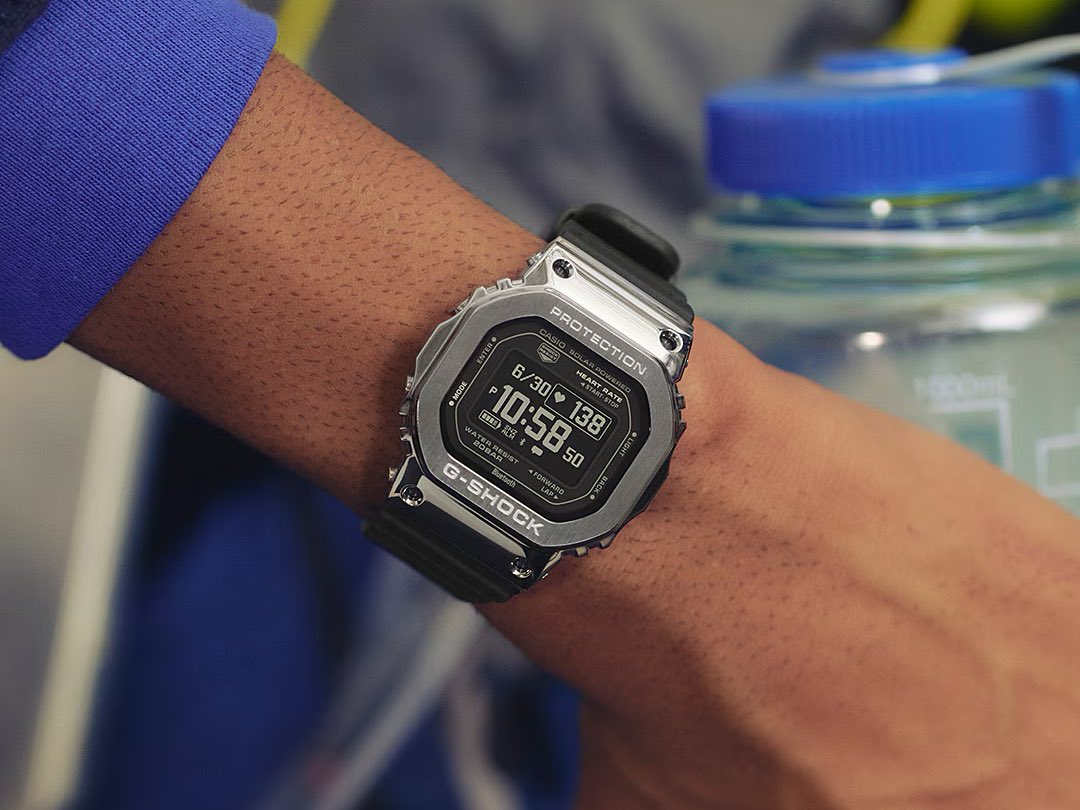





In a surprising turn of events at the Australian Open, top-seeded tennis player Carlos Alcaraz was asked to remove his fitness tracker during a match, igniting a debate over the role of technology in sports. The incident has drawn criticism from tennis legends, fellow athletes, and the founder of the American fitness tracker company Whoop, Will Ahmed, who all underscore the importance of vitals tracking for elite athletes.
The request from the umpire, despite the Association of Tennis Professionals (ATP) approving the use of such devices during matches, is believed to stem from concerns about potential cheating. While Whoop bands are designed to track health metrics and do not allow message reception or remote vibration, the fear is that similar-looking devices could be used to communicate covertly with coaches.
Understanding the Whoop Band
Whoop bands are advanced health trackers that provide a wealth of data without the typical features of a smartwatch, such as screens. They monitor heart rate, skin temperature, sleep patterns, and blood oxygen levels to offer insights into an athlete’s performance, recovery, and overall wellness.
The popularity of Whoop bands has surged among athletes, particularly after the company released a more powerful version with an updated app in May. This new version boasts a 14-day battery life and features like age tracking, blood pressure insights, and on-demand electrocardiograms (ECG). The platform’s latest update even allows users to integrate clinical blood test results with their wearable data.
Cost and Membership Tiers
Whoop operates on a subscription model, which can be costly but offers significant value through its comprehensive data analysis. The membership includes access to both the hardware and the app’s insights, which are only available with an active subscription.
- Whoop One: $300 per year for the Whoop 4.0 device, offering five-day battery life and features like recovery and sleep scores.
- Whoop Peak: $400 per year for the Whoop 5.0, with a 14-day battery life and additional stress and health monitoring.
- Whoop Life: $600 per year for the latest Whoop MG device, including ECG and blood pressure monitoring.
In addition to subscriptions, Whoop sells accessories like premium bands, batteries, and clothing designed to house the sensor.
Alternatives to Whoop
While Whoop is favored by serious athletes for its focus on performance analysis, there are other options for those seeking similar functionalities.
Apple Watch
The Apple Watch SE 3, priced at $400, offers heart rate, respiratory rate, temperature, and sleep monitoring. Although it doesn’t match Whoop’s depth, it integrates with other apps and includes various non-exercise features. More expensive models add blood oxygen and ECG capabilities.
Google Pixel and Fitbit
Fitbit’s Inspire 3, at $180, provides basic health tracking, while the $380 Versa 4 and $580 Pixel Watch 4 offer more advanced insights, albeit some requiring a subscription.
Budget-Friendly Options
The Xiaomi Smart Band 10 and Amazfit Band 7 offer basic health tracking at lower prices, while the Amazfit Helio Strap mimics Whoop’s features without a subscription.
Smart Rings
For those averse to wristbands, smart rings like the Oura and Ultrahuman Air offer discreet health tracking, though they often require subscriptions for full insights.
Implications for the Future of Sports Technology
The incident with Alcaraz highlights the ongoing tension between technology and traditional sports regulations. As wearable tech becomes more integrated into athletic training and performance, governing bodies will need to balance the benefits of data-driven insights with the integrity of the sport.
Looking ahead, this controversy may prompt further discussions about the role of technology in sports and potentially lead to clearer guidelines on the use of wearables during competitions. As the debate continues, the sports world will watch closely to see how these developments unfold.