


February 18, 2026 — 5:00am
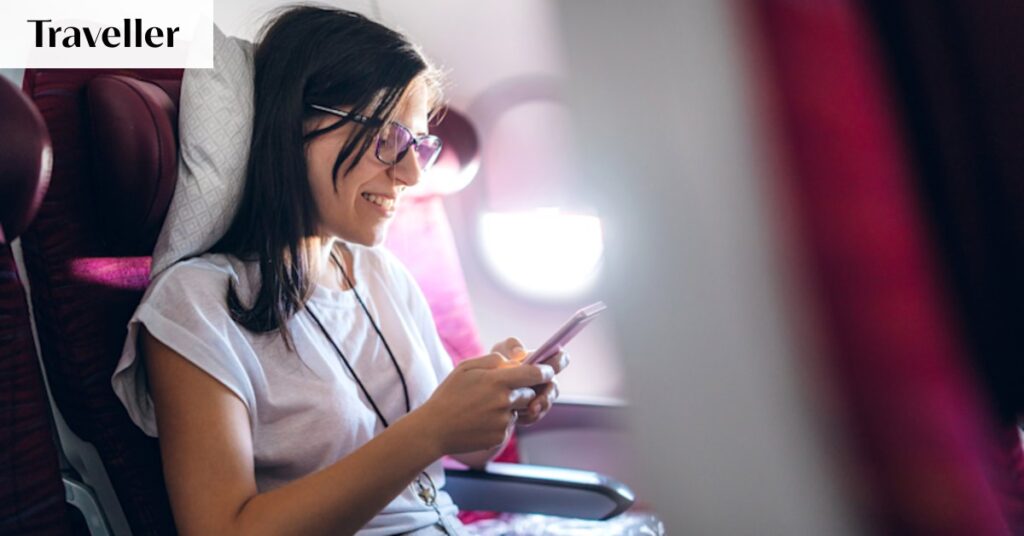
In today’s world of air travel, the promise of onboard Wi-Fi is heralded as a luxury. Airlines proudly advertise their ability to keep passengers connected at 40,000 feet, offering free messaging and high-speed internet as part of the inflight experience. However, as this technology becomes more ubiquitous, a question arises: Is constant connectivity truly a luxury, or has it become an expectation?
The announcement comes as airlines continue to market onboard internet access as a premium service. Passengers in first class often enjoy complimentary access, while those in economy can purchase connectivity for a fee. This development follows a broader trend in which being connected at all times is seen as desirable, even while soaring above the Pacific Ocean or sharing a meal over Pakistan.
The Illusion of Luxury
While the ability to send emails or post photos from the sky might seem appealing, it raises the question of whether constant connectivity is genuinely beneficial. The move represents a shift in how we perceive luxury. According to Colin Nagy, an American journalist and brand strategist, the ultra-wealthy no longer view being constantly reachable as a luxury. Instead, they see disconnection as the ultimate indulgence.
“There’s a certain type of persona for whom disconnection or not being reachable all the time is its own social signal,” Nagy explained. “It’s a bit of a quiet flex to not be at the beck and call of WhatsApp all the time.”
This sentiment is echoed by an Emirati billionaire who described luxury as the ability to disappear for a long lunch without notifying anyone. For the elite, the ability to step away from the digital world is a status symbol, a privilege that many ordinary travelers cannot afford.
Historical Context and Changing Expectations
Not long ago, air travel inherently meant disconnecting from the world. The absence of email and instant messaging meant that travelers were truly unreachable. If communication was necessary, it involved international phone cards or letters, with no guarantee of immediate response.
Technology has undoubtedly improved many aspects of travel, making processes more efficient and convenient. However, the constant push for connectivity has also introduced new pressures. The expectation to be available at all times can transform what was once a time for relaxation into an extension of the workday.
Digital Detox: A New Kind of Luxury
Meanwhile, the concept of a “digital detox” is gaining traction. Tour companies and hotels are increasingly offering experiences that encourage travelers to unplug, either by limiting Wi-Fi access or by creating environments where devices are discouraged. This trend highlights a growing recognition of the need to disconnect, even if only temporarily.
Such initiatives reflect a broader societal shift. As technology continues to advance, the ability to step away from it is becoming a rare and valuable commodity. The look of horror on the faces of characters in shows like “The White Lotus” when asked to surrender their devices underscores the addiction to connectivity that many of us experience.
The Future of Connectivity in Travel
As airlines and travel companies navigate this evolving landscape, they must balance the demand for connectivity with the growing desire for disconnection. The implications for the future of travel are significant, as companies seek to cater to both ends of the spectrum.
For many travelers, the ability to disconnect remains out of reach. Work commitments and personal responsibilities often necessitate some level of connectivity. However, the growing popularity of digital detox experiences suggests that more people are recognizing the value of stepping away from the digital world.
Ultimately, the true luxury may lie in finding a balance between connectivity and disconnection, allowing travelers to enjoy the benefits of technology while also appreciating the freedom of being offline.
Ben Groundwater, a seasoned travel writer, reflects on these issues, drawing from his extensive experience in the industry. As he continues to explore the world, he remains keenly aware of the evolving dynamics of connectivity in travel.