


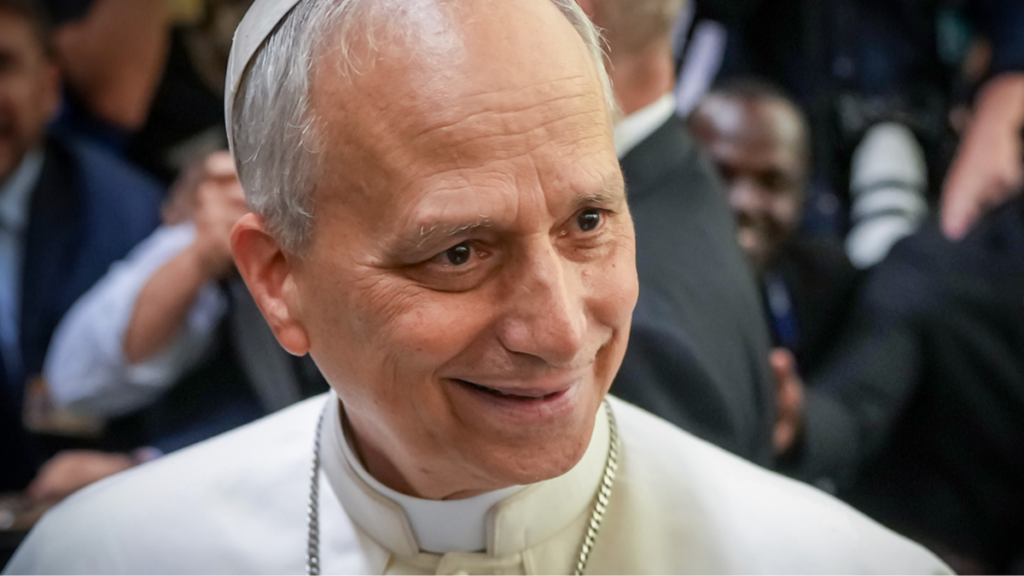
Pope Leo XIV has sparked potential tensions with former President Donald Trump by rejecting an invitation to join the US-led “Board of Peace,” a strategic initiative aimed at resolving the ongoing conflict in Gaza. This decision comes as Trump continues to promote his peace-making efforts, which began in earnest late last year.
The US initiative, which has received backing from the United Nations, is based on a comprehensive 20-point peace plan. This plan was developed in collaboration with key nations, including Qatar, Egypt, Saudi Arabia, the United Arab Emirates, Turkey, Pakistan, and Indonesia. The Board of Peace, chaired by Trump and senior US officials, was established to provide strategic oversight and mobilize resources for Gaza’s reconstruction and stabilization.
Pope’s Concerns Over US Leadership
A senior Vatican official confirmed that Pope Leo has declined the invitation to join the Board of Peace. Cardinal Pietro Parolin, the Vatican’s Secretary of State, expressed the Pope’s reservations regarding the Board’s structure. According to Parolin, the Pope is concerned about the US assuming the primary role in managing international crises, such as the Gaza conflict.
“At the international level, it should above all be the U.N. that manages these crisis situations,” Cardinal Parolin told reporters, as reported by Reuters.
This stance is consistent with Pope Leo’s longstanding criticism of Trump’s policies, making his refusal to join the Board less surprising to observers familiar with their past interactions.
Composition and Controversies Surrounding the Board
Despite the Vatican’s refusal, the Board of Peace includes several high-profile members. US Secretary of State Marco Rubio, US Special Envoy Steve Witkoff, former UK Prime Minister Tony Blair, Apollo Global Management CEO Marc Rowan, World Bank Group President Ajay Banga, US Deputy National Security Adviser Robert Gabriel Jr., and Trump’s son-in-law Jared Kushner have all accepted roles on the Board.
Trump has described the Board as potentially “the most consequential International Body in History,” as he announced on Truth Social on February 15. However, the inclusion of controversial figures such as Russia’s Vladimir Putin and Israel’s Benjamin Netanyahu, both involved in longstanding conflicts, has raised eyebrows and drawn criticism.
Global Reactions and Future Implications
While some countries, including Armenia, Egypt, and the United Arab Emirates, have joined the program, the Board’s composition and leadership have led to skepticism. Critics argue that the US-centric approach might not be the most effective means of achieving lasting peace in the region.
Historically, international peace efforts have often been spearheaded by multilateral organizations like the United Nations, which are perceived as more neutral actors. The Pope’s insistence on a UN-led initiative echoes past successful peacekeeping missions that relied on broad international cooperation.
As the Board of Peace moves forward, the absence of Vatican participation and the presence of contentious leaders could impact its credibility and effectiveness. The world will be watching closely to see how these dynamics unfold and whether the initiative can achieve its ambitious goals.
UNILAD reached out to the White House for comment, but as of now, no official response has been provided. The situation remains fluid, with potential developments expected in the coming weeks as the Board convenes and begins its work.