



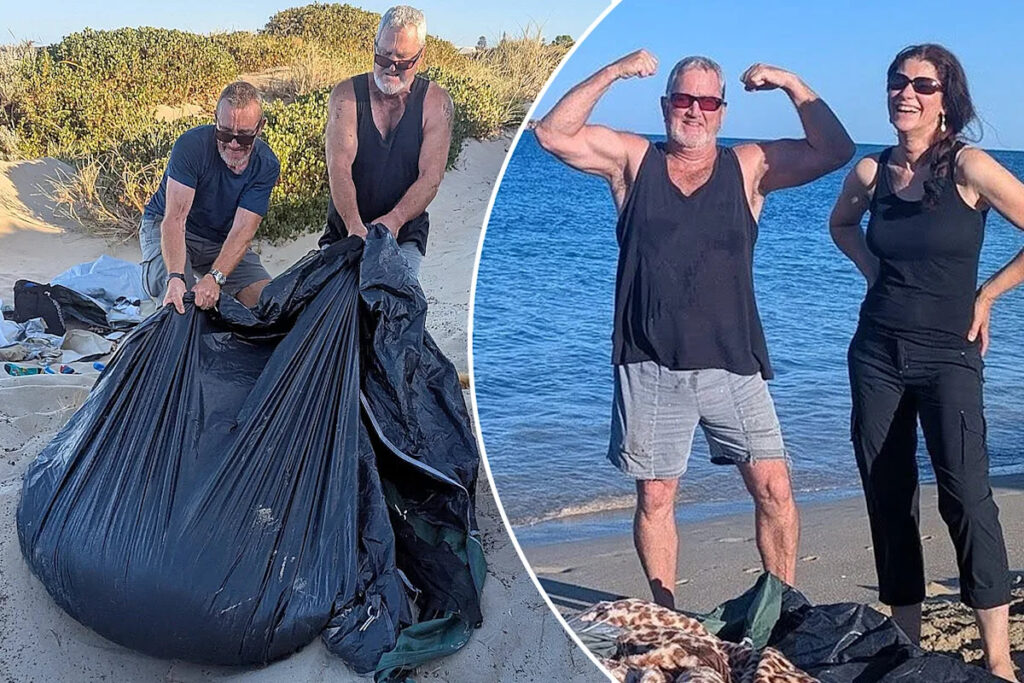
Conservationists across Western Australia are urging the public to join the fight against a growing waste crisis on the nation’s beaches. Despite the relentless efforts of dedicated volunteers, the situation, they say, is “certainly not getting any better.” This call to action follows a recent clean-up operation in Perth, where nearly 13 kilograms of rubbish were extracted from a single spot on the sand.
Erin Osborn, the founder of Rockingham Beach Cleans, has been at the forefront of these efforts, organizing waste removal events throughout the Rockingham area. In a recent interview, she recounted discovering a significant pile of debris at Shoalwater Beach, which had been accumulating since December. “It had been left unattended for so long,” Osborn explained. “We wouldn’t have even known that it was there except there were a couple of things, like clothing items, sticking out from the sand dunes. It was buried under, I don’t know, like four feet of sand — a lot.”
The 13 kilograms of waste removed included household items, camping gear, clothes, and general trash. Osborn noted that this issue has been consistent across local beaches since she began her clean-ups in 2019. “It’s [waste] just always there,” she said. “Our beaches are good compared to some, but we do have a lot of the community picking up rubbish.”
Australia’s Beach Waste Crisis
Marine debris remains one of the most pressing environmental threats to Australia’s coastline. From plastic bottles and food wrappers to fishing line and microplastics, waste poses significant dangers to wildlife and ecosystems. It can entangle marine life, be ingested by seabirds and mammals, and smother habitats like seagrass meadows and coral reefs. Even seemingly harmless items can break down into smaller fragments, entering the food chain and persisting for decades.
Experts say much of the waste found on beaches originates on land. Litter dropped in streets and parks can wash into stormwater drains and rivers before flowing out to sea.
In winter, storms and rough swells churn up offshore debris, depositing it back onto shorelines and compounding the problem for volunteer groups. While community clean-ups help remove visible rubbish, they do little to address the sheer scale of plastic production and consumption.
Global Impact and Local Efforts
Globally, millions of tonnes of plastic enter oceans each year, with Australia ranking among the highest producers of single-use plastic waste per person. The environmental toll is staggering, with an estimated 100,000 marine mammals dying annually due to ocean debris.
Without reductions at the source, environmental advocates warn that beaches will continue to suffer. For coastal ecosystems, the consequences are dire. Turtles, seabirds, and fish often mistake plastic for food, while discarded fishing gear can continue “ghost fishing” long after it has been abandoned. Over time, the accumulation of debris degrades habitats that support both biodiversity and tourism, placing additional pressure on already vulnerable marine environments.
“Every time you go to the beach, just take a bag with you and take whatever you come across back with you and put it in the bin,” Osborn encouraged locals.
Looking Ahead
Erin Osborn and other conservationists emphasize the importance of individual action. “I would just like to make it more of a normal thing for people to be picking up when they go to the beach, so that it’s not so unusual to see somebody picking up rubbish at the beach,” she said.
The call for increased public involvement is clear: Australians are encouraged to integrate waste collection into their beach visits, helping to mitigate the impact of marine debris. As community efforts continue, the focus remains on fostering a culture of environmental responsibility and reducing waste at its source.
For those with stories about waste or tips on environmental issues, contact [email protected].