
Updated February 17, 2026 — 7:15pm
Opposition Leader Angus Taylor has unveiled a revamped frontbench aimed at bolstering the party’s economic credentials while resisting calls to penalize moderates who supported former leader Sussan Ley. The reshuffle sees right-wing figures like Andrew Hastie and Jacinta Nampijinpa Price elevated to counter the influence of One Nation.
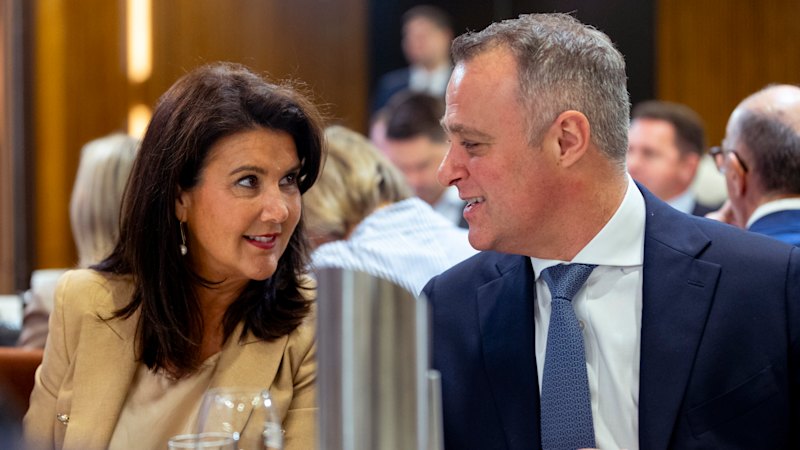
In a strategic move, Deputy Leader Jane Hume has been assigned the productivity and industrial relations portfolio. Meanwhile, Victorian moderate Tim Wilson steps into the role of shadow treasurer, already vocal against proposals to reduce capital gains tax discounts on housing—a concept he previously explored in a 2020 publication.
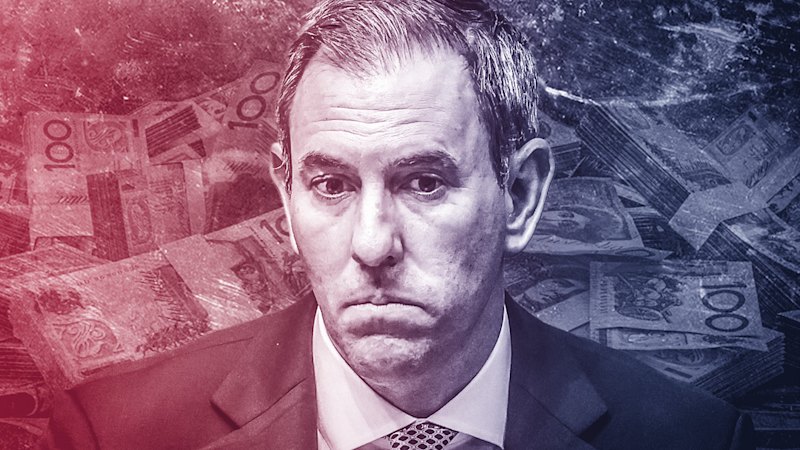
“Jim [Chalmers] is pushing for a new housing tax – I’m interested in how to lower income tax,” Wilson stated.
Wilson, Hume, and Senator Claire Chandler, who will take on the finance portfolio, stood alongside Taylor during a press conference in Sydney. Their presence underscored Taylor’s commitment to restoring the party’s fiscal reputation following a period of internal discord and stagnation.
Strategic Appointments and Internal Dynamics
The announcement comes as Taylor faces substantial pressure to address the party’s internal divisions. Despite calls for punitive measures against moderates, Taylor has opted for a more inclusive approach. The reshuffle maintains the positions of key figures like Anne Ruston in health and Julian Leeser in education, despite opposition from some right-wing backbenchers.
Andrew Bragg has been given the environment portfolio in addition to his housing responsibilities, while Maria Kovacic retains her roles in women’s and multicultural affairs. Notably, the only moderate relegated to the backbench was former immigration spokesman Paul Scarr, with others like Alex Hawke and Scott Buchholz also demoted after their support for Ley.
The reshuffle sees the ascension of several Taylor allies, including Hastie, Price, Chandler, Sarah Henderson (communications), Phil Thompson (defence industry), and Hume, signaling a shift towards a more right-leaning frontbench.
Political Implications and Reactions
This development follows a week of criticism from Labor, which has targeted Taylor and Hume over their previous economic policies and controversies. Hume, addressing the media, dismissed the attacks as fear-mongering tactics.
“They already have started going the man rather than the ball. That’s just fear, because you know that when Labor smear, you can smell their fear,” Hume remarked.
In an effort to mitigate the loss of support to One Nation, Taylor has reinstated Hastie and Price to the shadow cabinet. Their return comes after a fallout with Ley over contentious issues related to migration and race. Price, whose previous remarks about Indian migrants voting for Labor led to her dismissal, remains unapologetic, with Taylor defending her as “an extraordinary Australian and an extraordinary human being.”
Future Challenges and Opportunities
Hastie, now in charge of industry and sovereign capability, is expected to advance his agenda for revitalizing domestic manufacturing. This could potentially clash with Taylor’s small government philosophy if Hastie continues to advocate for subsidies to support Australian manufacturing.
As the reshuffle unfolds, Taylor’s leadership will be tested by the need to balance ideological differences within the party while presenting a unified front against external political challenges. The reshaped economic team aims to leverage fresh perspectives and strategies to regain voter confidence and strengthen the party’s economic narrative.
Looking ahead, the success of Taylor’s new frontbench will hinge on its ability to navigate internal factions and effectively communicate its economic vision to the public. The coming months will be crucial as the party seeks to redefine its identity and consolidate its position in the political landscape.