



Health authorities in southern New South Wales are urging residents to exercise caution following the detection of a rare bacterial infection known as the Buruli ulcer. This infection, caused by Mycobacterium ulcerans, releases a toxin that damages skin tissue, leading to severe ulcers. A spokesperson from the Southern NSW Local Health District (SNSWLHD) confirmed the latest case involving a local resident, marking the sixth case in the region since 2021.
The source of this recent infection remains under investigation. Notably, local transmission of the disease was confirmed for the first time in 2023, raising concerns among health officials. Since the Buruli ulcer became a notifiable condition in January 2025, three confirmed cases have been recorded in the area, including this latest one.
Understanding the Buruli Ulcer
The Buruli ulcer is a debilitating skin condition that, if left untreated, can lead to significant tissue damage. The SNSWLHD spokesperson emphasized the importance of early detection and treatment, stating, “Buruli ulcer is curable with appropriate treatment, but early recognition and diagnosis are important to minimize skin damage. Anyone with a non-healing skin ulcer should see a doctor.”
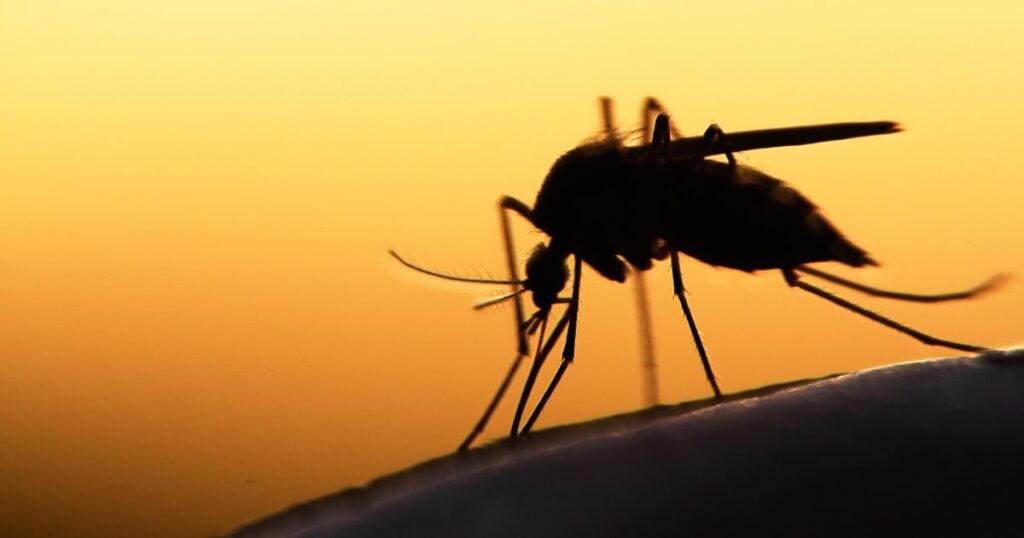
According to NSW Health, the transmission pathways of the Buruli ulcer are not fully understood. However, there is evidence suggesting that mosquitoes and possums may play a role in spreading the infection. Importantly, it is not believed to be transmissible between humans.
The incubation period for the Buruli ulcer is typically about five months, as noted in a 2025 consensus statement published in the Medical Journal of Australia.
Prevention and Treatment
Most cases of the Buruli ulcer manifest on the arms and legs and can be confirmed through a PCR test or biopsy. Treatment generally involves a course of antibiotics, with a median healing time of approximately 4.5 months. Health authorities stress the importance of preventing mosquito bites as a key measure against both Buruli ulcer and other mosquito-borne diseases.
Protective Measures Against Mosquito-Borne Diseases
- Apply repellent to exposed skin, using products containing DEET, picaridin, or oil of lemon eucalyptus.
- Reapply repellent regularly, applying sunscreen first, followed by the repellent.
- Wear light, loose-fitting long-sleeve shirts, long pants, socks, and covered footwear.
- Stay indoors during peak mosquito activity times, particularly at dawn and dusk.
- Utilize insecticide sprays, vapor dispensing units, and mosquito coils to deter mosquitoes, ensuring coils are used outdoors in well-ventilated areas only.
- Install insect screens on windows and doors, ensuring there are no gaps.
- Remove items that may collect water around the home to reduce mosquito breeding sites.
- Protect infants under three months with mosquito netting secured along the edges of their carriers.
- While camping, sleep under a mosquito net or use a tent with fly screens.
Broader Health Concerns
This development follows earlier health alerts in the region regarding Japanese encephalitis (JE), a potentially fatal neurological illness also transmitted by mosquitoes. Authorities have been vigilant in monitoring these diseases, emphasizing the importance of preventive measures to protect public health.
The detection of the sixth Buruli ulcer case underscores the need for ongoing research and public awareness. As health officials continue to investigate the source of the latest infection, residents are advised to remain vigilant and take necessary precautions to protect themselves from mosquito bites and seek medical attention for any suspicious skin lesions.
As the investigation into the source of the infection continues, updates from health authorities are anticipated. Residents are encouraged to stay informed through official channels and adhere to recommended safety guidelines to mitigate the risk of infection.