
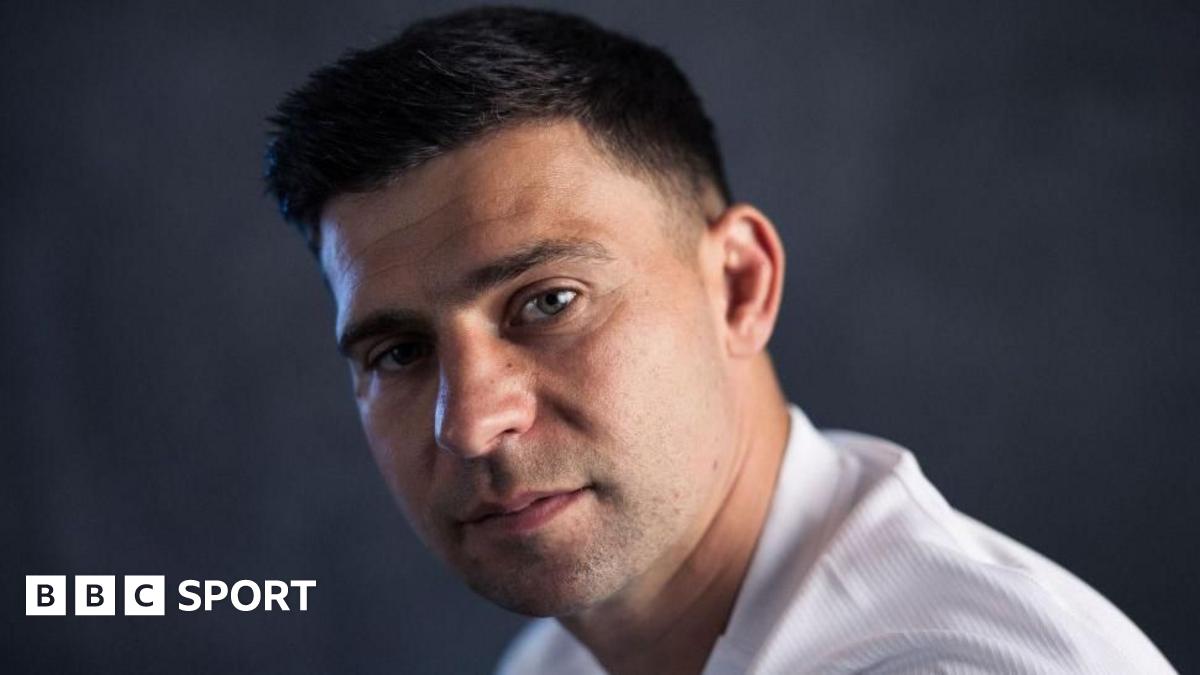



When George Mamalis launched his Instagram account a decade ago, it was a vibrant gallery of beaches, sunsets, adorable dogs, and artfully arranged food. Today, that same account is a platform for culture war rhetoric, marking Mamalis as a significant player in Australia’s rightwing ecosystem.
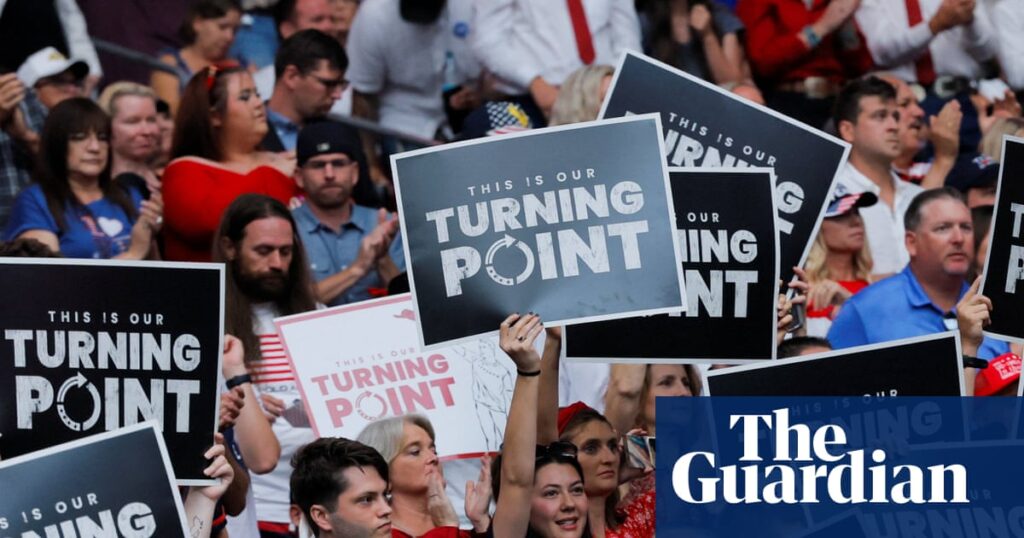
Mamalis now leads the Australian branch of Turning Point, a conservative organization founded by American Christian activist Charlie Kirk. The branch’s national director, Joel Jammal, notes that the group was established under the guidance of Reform UK’s leader, Nigel Farage, with Kirk’s endorsement. Turning Point Australia is expanding rapidly, setting up chapters nationwide, and aims to influence educational institutions and electoral outcomes.
The Evolution of a Social Media Influencer
George Mamalis’s journey from social media influencer to political figure is emblematic of a broader trend in the digital age. Initially, his Instagram account, The Adelaide Set, focused on lifestyle content. However, as the COVID-19 pandemic unfolded, Mamalis began posting about social distancing and mask-wearing, eventually questioning vaccine safety. This pivot mirrored a global trend where influencers used their platforms to engage in political discourse.
Today, Mamalis’s content is dominated by rightwing issues such as “mass migration,” net zero policies, and the perceived persecution of Christians. His alignment with Turning Point Australia underscores his commitment to embedding conservative values in Australian politics, aiming to unite minor rightwing parties and restore conservative leadership in parliaments.
Strategic Political Moves
Turning Point Australia’s strategy involves bolstering minor rightwing parties, particularly in South Australia’s upcoming election. Jammal and Mamalis have articulated plans to establish chapters in high schools and universities, positioning themselves as “ambassadors” for freedom and family values. Jammal describes the group’s mission as one that politicians should view as a significant threat to voter awareness.
“That’s the vision ultimately Charlie Kirk trusted us with,” Jammal states, highlighting the organization’s goal to influence political landscapes.
The group has also adopted a multi-pronged approach to elections, including distributing how-to-vote cards favoring rightwing parties. Despite claims of electoral success, Turning Point Australia has yet to provide concrete evidence to substantiate these achievements.
Controversial Alliances and Ideological Battles
Mamalis’s political journey is not without controversy. He has worked with several prominent conservative politicians, including former South Australian Liberal leader David Speirs and Liberal senator Alex Antic, whom he regards as “the real leader of the Liberal party.” Mamalis’s endorsement of Antic’s ultra-conservative vision reflects his desire to see a more pronounced conservative presence in Australian politics.
However, Mamalis’s interactions with extremist groups have drawn criticism. He has openly criticized neo-Nazis, warning them against their violent strategies and urging them to engage with mainstream political processes. Mamalis argues that ignoring extremists does not make them disappear, advocating for confronting and challenging their ideologies.
Growing Transnational Influence
Mamalis is part of a broader trend of influencers spanning the political spectrum. Experts note an increase in conservative Christian voices opposing immigration and net zero targets, often with nationalist undertones. This movement has been emboldened by international successes, such as Reform UK’s impact in the UK, and energized by Kirk’s assassination.
“There’s an increasing transnational cooperation between groups that are broadly united against the ‘enemies of Western civilisation,'” says Dr. Kurt Sengul, a Macquarie University research fellow.
These loosely linked networks amplify each other’s messages, promoting conservative ideas through political groups. Mamalis frequently collaborates with controversial figures like anti-abortion activist Joanna Howe, further entrenching these ideologies in the mainstream.
Challenges and Concerns
Despite the growing influence of rightwing groups, experts caution against their potential impact on Australian politics. Lise Waldek, a terrorism studies lecturer, highlights how the pandemic facilitated the spread of misinformation and conspiracy theories, contributing to the mainstreaming of extremist language.
Lucy Hamilton, a doctoral researcher, warns of the conservative voting bloc’s expanding reach, drawing in diverse groups under its umbrella. While Australia’s electoral system offers some protection against fringe elements, Hamilton notes vulnerabilities in party structures that could be exploited by groups with hidden agendas.
“We have a failure of civic responsibility where people are overwhelmed and not paying attention,” Hamilton asserts, emphasizing the need for vigilance.
As Turning Point Australia seeks to rebrand conservative Christian values for youth, Sengul argues that the organization will face challenges due to the weaker religious dynamic in Australia compared to other countries.
The rise of influencers like Mamalis reflects a complex interplay of digital media, political activism, and cultural shifts. As Australia navigates these changes, the role of social media in shaping political discourse remains a critical area of focus.