



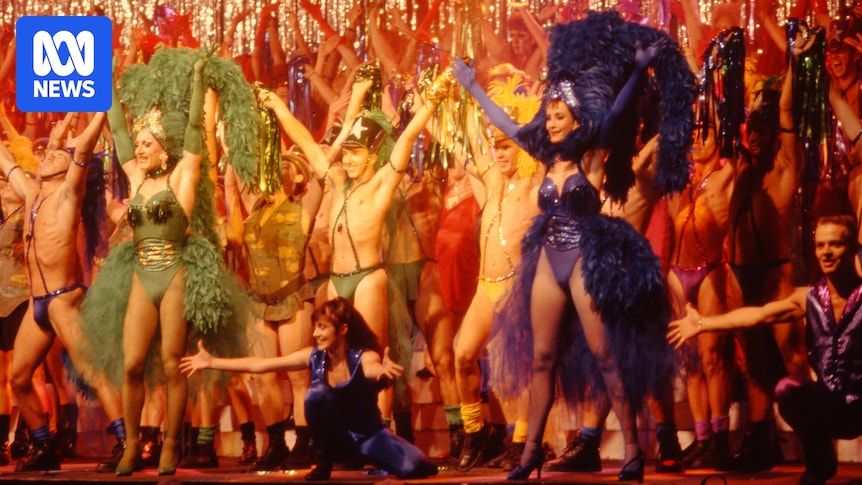
The cancellation of Sydney’s official Mardi Gras party for 2026 has sparked widespread discussion and disappointment. Despite months of speculation due to delayed ticket sales and the absence of a headline act announcement, the official confirmation from the Sydney Gay and Lesbian Mardi Gras (SGLMG) came as a blow to many. The event, a staple of the LGBTQIA+ calendar, was scheduled for February 28 and is renowned for drawing crowds from across the globe.
While the announcement was not entirely unexpected, given the lack of concrete details and the recent unveiling of a “re-imagined format and a new home,” the reasons behind this decision are multifaceted. The cancellation has been attributed to financial difficulties, logistical challenges, and internal governance issues.
Financial Challenges and Sponsorship Withdrawals
According to SGLMG CEO Jesse Matheson, the organization has faced “significant financial loss” over the past two years, with the official party being a major contributor. Rising delivery costs and capacity constraints have made it increasingly difficult to meet the expectations of attendees. Last year’s annual report highlighted a shortfall of over $220,000 in ticket revenue for the party and its sister event, Ultra Violet.
Compounding these financial challenges was the withdrawal of key sponsorships. American Express, a principal partner since 2021, ended its financial commitment early, although a spokesperson confirmed that Amex had fulfilled its obligations for the 2026 festival. Additionally, major partners Google and Meta reduced their support in 2024 and ceased it entirely by 2025. Matheson noted that new sponsorships were “uncertain,” posing an “existential threat to the future of Mardi Gras.”
Independent Sydney MP Alex Greenwich commented, “Events such as the official party have become increasingly expensive over time. When you look at the security, venue hire, and staff costs, all of these are driving the prices up and that increases the ticket price, which then becomes unaffordable for participants.”
Planning and Logistical Setbacks
The allure of the Mardi Gras party has often hinged on its headline acts, with past performers including Kylie Minogue, Sam Smith, and Cher. However, this year’s plans were thwarted when the 2026 headliner fell through over the Christmas break, and a replacement could not be secured. A spokesperson cited artist availability and logistics as factors in the decision to pause the event.
This year, the organization of the party was contracted to Kicks Entertainment, partly owned by Live Nation. While the partnership aimed to stabilize costs, it drew criticism from grassroots collective Pride in Protest (PiP) due to Live Nation’s operations in Israel. PiP argued that the partnership violated SGLMG’s ethical charter.
Miles Carter, a queer artist and PiP spokesperson, described the partnership as a “horrific mistake” and advocated for public funding of Mardi Gras.
Venue and Location Constraints
Another significant factor in the cancellation was the loss of the Royal Hall of Industries (RHI), a key venue for the event. The RHI’s conversion into the headquarters for the Sydney Swans forced SGLMG to scale back the party’s footprint, leading to logistical challenges and a reduced capacity at the Hordern Pavilion.
In recent years, the event has struggled with overcrowding, with reports of attendees missing headline acts due to venue capacity limits. The expansive layout that once characterized the party has dwindled, leading to a less satisfying experience for attendees.
Mr. Matheson acknowledged, “Mardi Gras was being constrained in the spaces that we were in the past,” and expressed a desire to find a “larger space” for future events.
Internal Governance and Future Prospects
Behind the scenes, internal conflicts within the SGLMG board have also played a role in the cancellation. Accusations of transphobia from two directors, Damien Nguyen and Luna Choo, highlighted governance issues that have affected the organization’s operations. Both directors, affiliated with PiP, were censured for using their email accounts to campaign against the board’s decisions.
Despite these challenges, SGLMG remains optimistic about the future. Matheson has hinted at a potential “small-scale celebration after the parade” and urged attendees to explore other city-wide events. The organization is focused on delivering a “strong, safe, and joyful 2026 Festival.”
Glenn Hansen, promotions and marketing manager for Stonewall Hotel, emphasized, “Mardi Gras needs to grow and work for everyone, but it’s not just all about the party. It’s about the parade and all the festivals too.”
As Sydney’s LGBTQIA+ community and allies look forward to future celebrations, the hope is that the lessons learned from this year’s challenges will pave the way for a more sustainable and inclusive Mardi Gras experience.